Why Koreans Eat That

Tag: squid game dalgona

  • The Man Who Sold 500 Dalgona a Day: What Squid Game Did to Seoul’s Street Vendors

    The Man Who Sold 500 Dalgona a Day: What Squid Game Did to Seoul’s Street Vendors

    Dalgona candy with the umbrella shape stamped into it, as seen in Squid Game — squid game dalgona

    One ladle, one burner, one pinch of baking soda. The entire business. Photo: Sharon Hahn Darlin, BY, via Openverse

    When people talk about what Squid Game did, they usually mean Netflix. Viewing records, a second season, an Emmy shelf. What almost nobody talks about is what it did to a handful of people in Seoul who were, at the time, standing on a street corner making candy for about a dollar a piece.

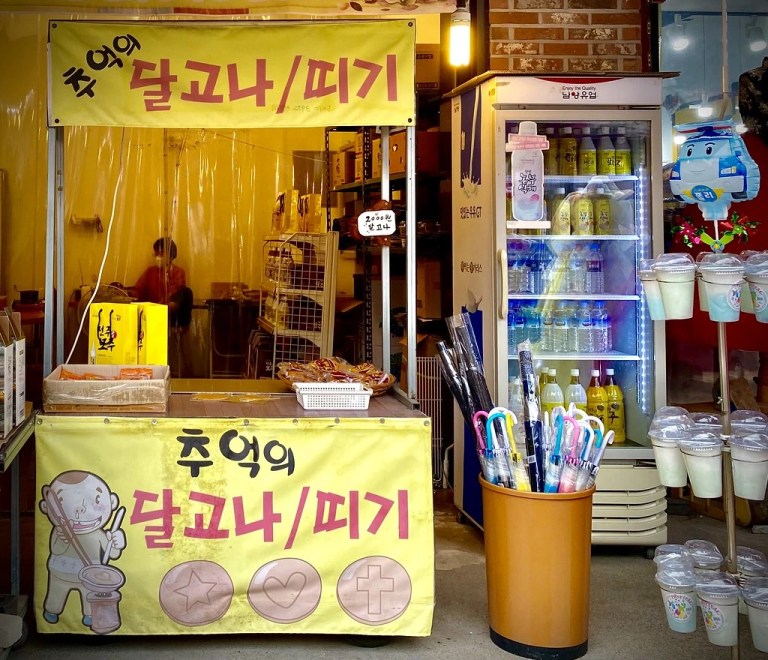
    One of them was An Yong-hui. He’d been making dalgona for eight years before the show aired. Before September 2021 he sold around 200 a day. After it, more than 500 — and at the peak he didn’t go home for a week, because he couldn’t leave the stall long enough to.

    That’s the part of the phenomenon nobody dramatised. Not a fortune. Not a franchise. A man who could not physically keep up with a television show.

    “The show didn’t make him rich. It made him unable to go home.”

    What the trade actually was, before

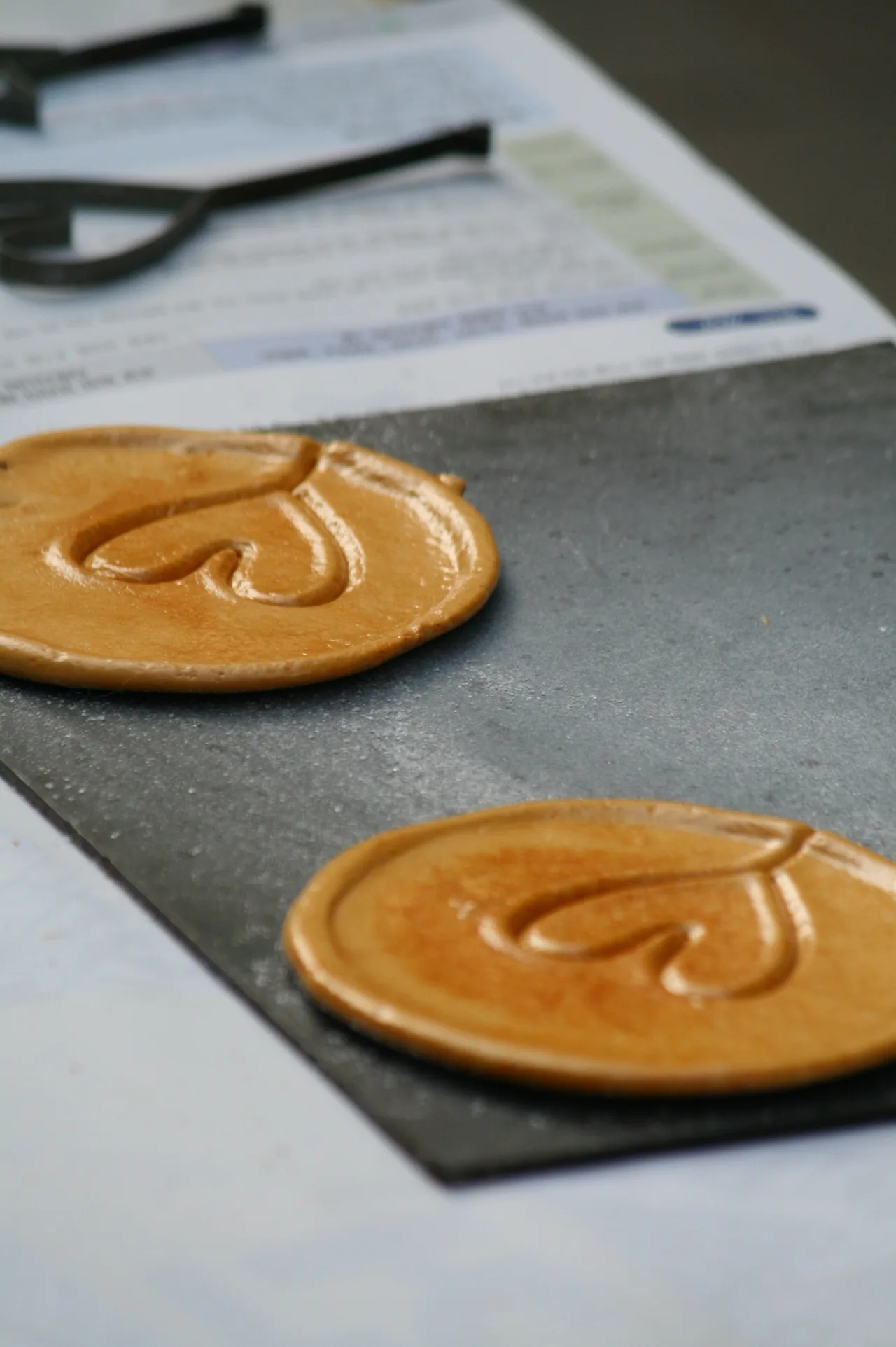
    Dalgona is two ingredients. Sugar, melted in a ladle over a flame. A pinch of baking soda stirred in, which makes it foam up pale and brittle. Pressed flat, stamped with a shape, done.

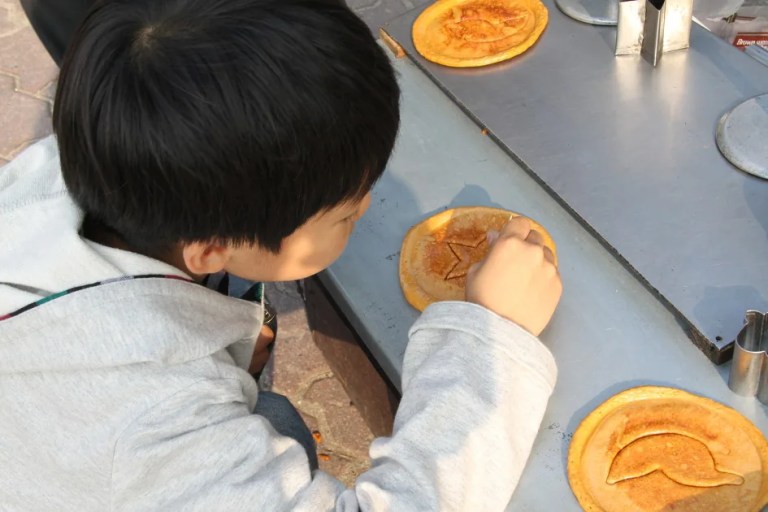
    It was children’s money — sold outside schools, priced so a kid could buy one with coins. The stamped shape was the game: get the shape out intact and you won another one free. Korean kids had been beating that game, and cheating at it, for decades.

    Which is to say the people making it in 2021 weren’t running a nostalgia business. They were running a low-margin street trade that had been slowly dying as the kids who bought it grew up.

    Then September 2021 happened
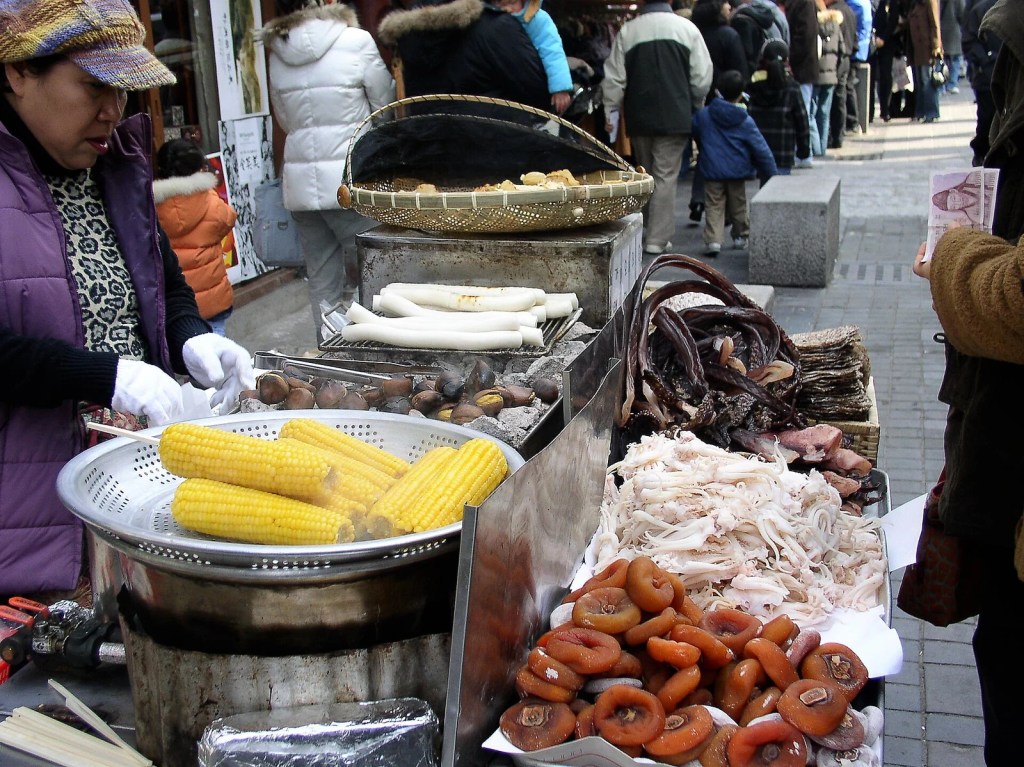
    Korean Street Food Stall — Squid Game Ending Reality: What Happened to the Real Dalgona — squid game dalgona

    Photo: johl, CC BY-SA 2.0, via Commons

    Seoul Market Street — Squid Game Ending Reality: What Happened to the Real Dalgona — squid game dalgona

    Photo: Photographer: Gabriel Wicke, BY-SA, via Openverse

    Carving the shape out of a dalgona candy — squid game dalgona

    The umbrella. The one shape nobody wanted. Photo: 동운맘, CC BY 4.0, via Wikimedia Commons

    The show premiered, and within weeks the demand stopped being local in any sense.

    • An’s daily output more than doubled — 200 to 500-plus.
    • He worked through it without going home for a week.
    • Meanwhile the internet was doing its own version: viewers filming their attempts on TikTok, mostly failing.
    • And on Amazon, eBay and Coupang, dalgona kits and tools appeared at prices up to $29.99 — for a ladle, a stamp and some sugar.

    Sit with that last number for a second. The candy itself cost pocket change. The kit for making it yourself was selling for thirty dollars, mostly to people who had never eaten one.

    The gap between the craze and the trade

    Night Market Korea — Squid Game Ending Reality: What Happened to the Real Dalgona — squid game dalgona

    Photo: Sgroey, CC BY-SA 4.0, via Commons

    This is the part worth sitting with, because it’s the pattern every viral food moment follows.

    The money in a global craze doesn’t collect where the craze started. It collects where things can scale — marketplaces, kits, licensed merchandise, tourism packaging. A man with one burner and one ladle can double his output and still be doing exactly what he was doing before, just without sleep. There is no version of that stall that captures a fraction of a $29.99 kit sold in another country.

    He got famous. Genuinely — reporters came, cameras came, people queued — and he kept the stall running through all of it. But fame in a street trade converts into hours, not equity.

    What can honestly be said about “now”
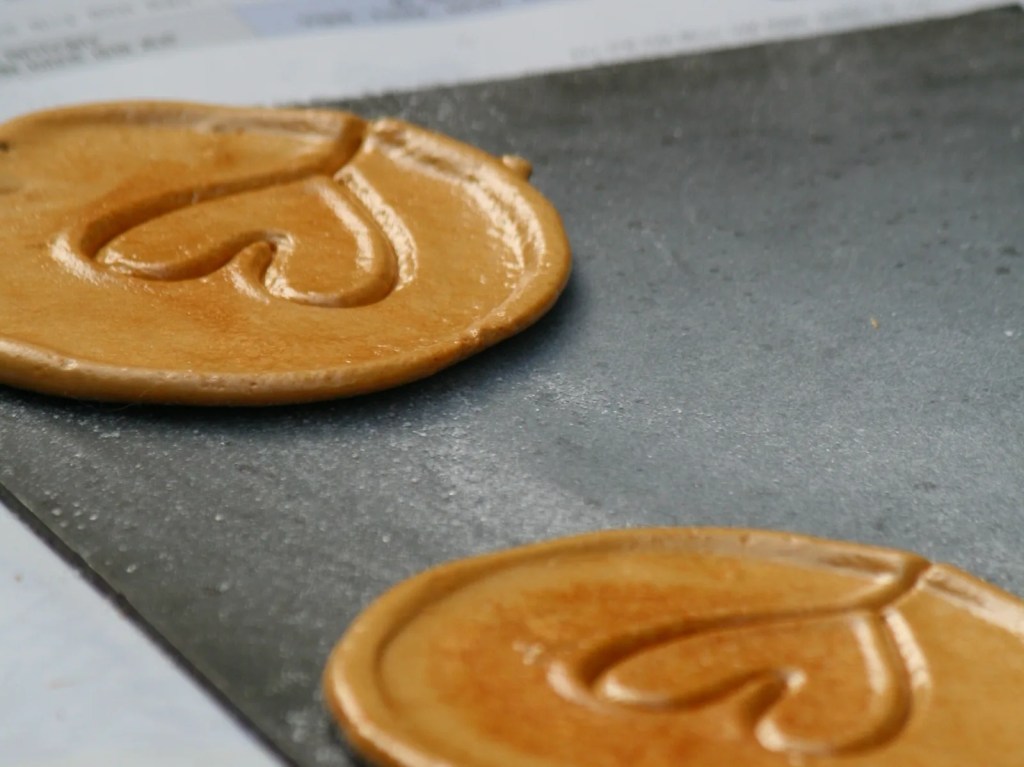
    Dalgona sugar candy — squid game dalgona

    Photo: PhareannaH[berhabuk], CC BY 2.0, via Wikimedia Commons

    Here’s where a lot of articles start inventing. You’ll find posts describing what happened to these vendors afterwards in confident detail — retirements, shop openings, fortunes.

    What’s actually on the record is the 2021 surge, reported at the time, with names and numbers. The follow-up — who kept the stall, who moved on, who went back to 200 a day once the queues thinned — isn’t documented in the same way, and this article isn’t going to make it up.

    What is visible is the residue. Dalgona stopped being a dying children’s candy and became a thing tourists arrive already knowing about. That’s a permanent change in what the product is, even for whoever is making it today.

    If you want to actually try one

    You don’t need to hunt for it. Dalgona is back on the streets it nearly vanished from — around Myeong-dong, Insa-dong and the big traditional markets, usually for a couple of thousand won. If the vendor stamps a shape and offers you the old challenge, take it: carve it out clean and the next one is free. Same rule the schoolkids played by, decades before Netflix showed up.

    Quick answers

    What did Squid Game do for dalgona vendors?

    An Yong-hui’s sales went from about 200 to more than 500 a day after September 2021 — and at the peak he didn’t go home for a week.

    What actually is dalgona?

    Melted sugar with a pinch of baking soda, pressed flat and stamped with a shape. Get the shape out unbroken and tradition says the next one is free.

    Did the vendors get rich?

    Not on the record. The money in the craze collected around $29.99 kits and marketplaces, not one-burner stalls — fame in a street trade converts into hours, not equity — the vendors who actually made the candy saw almost none of the money the trend generated elsewhere.


  • Squid Game Dalgona: The Candy Korean Kids Were Cheating At for Decades

    Squid Game Dalgona: The Candy Korean Kids Were Cheating At for Decades

    Lee Jung-jae, who played Seong Gi-hun in Squid Game, the show that made dalgona candy world-famous — squid game dalgona

    Lee Jung-jae, the actor whose dalgona scene made this candy world-famous. Photo: K-POPIT, CC BY 3.0, via Wikimedia Commons

    A hush falls over a hundred players in green tracksuits. Each is handed a tin of brittle honeycomb candy with a shape pressed into it — a circle, a triangle, a star, an umbrella — and ten minutes to carve that shape out without cracking it. Snap the line, and you’re dead. Seong Gi-hun (성기훈), played by Lee Jung-jae, looks down and realizes he has drawn the umbrella. The hardest one.

    That scene, from Episode 3 of Netflix’s Squid Game (오징어게임), turned a humble Korean street snack into a global obsession overnight. But here’s the part most viewers never learned: the candy is real, it’s called dalgona (달고나), and Korean kids had been playing — and cheating at — this exact game for decades before Gi-hun ever picked up a needle.

    The umbrella that almost killed Gi-hun

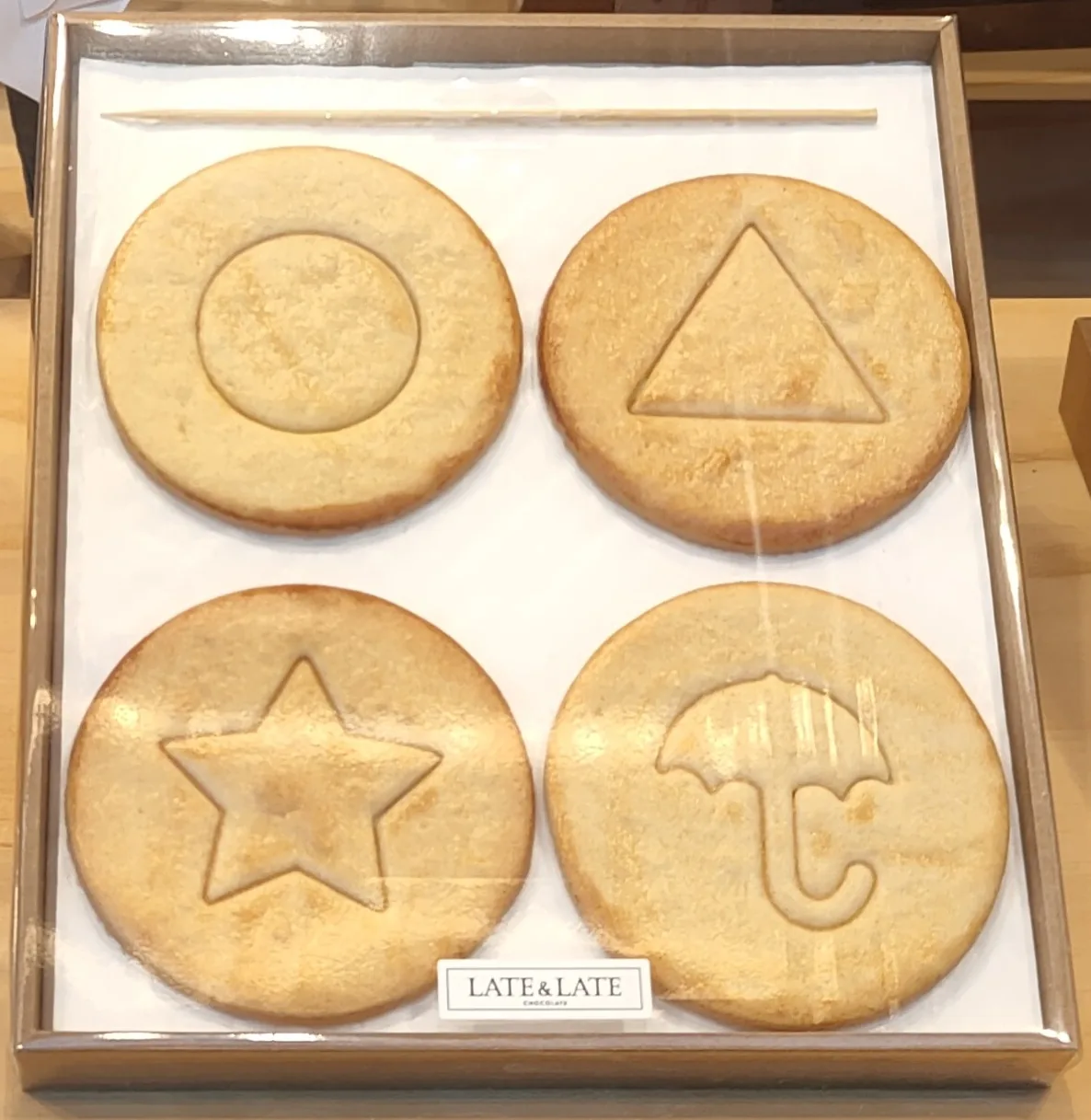
    Korean dalgona candies stamped with the four Squid Game shapes: circle, triangle, star, and umbrella — squid game dalgona

    The four shapes, exactly as the show used them. The umbrella (우산) is the assassin. Photo: LATE&LATE, CC BY-SA 4.0, via Wikimedia Commons

    The game — called the “sugar honeycomb” round — is brutally simple. Four shapes, four difficulty levels. The circle (동그라미) is a gift. The triangle (세모) is fine. The star (별) is a challenge. And the umbrella (우산), with its thin curved handle and all those little ribs, is a near-impossible death sentence. Gi-hun, of course, picks the umbrella.

    “Foreign viewers saw a death game. Koreans saw a childhood.”

    He isn’t alone in his panic. Cho Sang-woo (조상우), played by Park Hae-soo, immediately clocks the shape he chose and works the odds like the ex-investment banker he is. Kang Sae-byeok (강새벽), played by Jung Ho-yeon, takes the needle with the same cold focus that carried her through every other round. The tension is unbearable — and it’s all riding on a piece of candy you can buy for pocket change on a Korean street.

    Park Hae-soo, who played Cho Sang-woo in Squid Game, at a Netflix event — squid game dalgona

    Park Hae-soo as Sang-woo — the ex-banker who ran the odds even on a piece of candy. Photo: Elle Taiwan, CC BY 3.0, via Wikimedia Commons

    Korean kids beat this game for decades

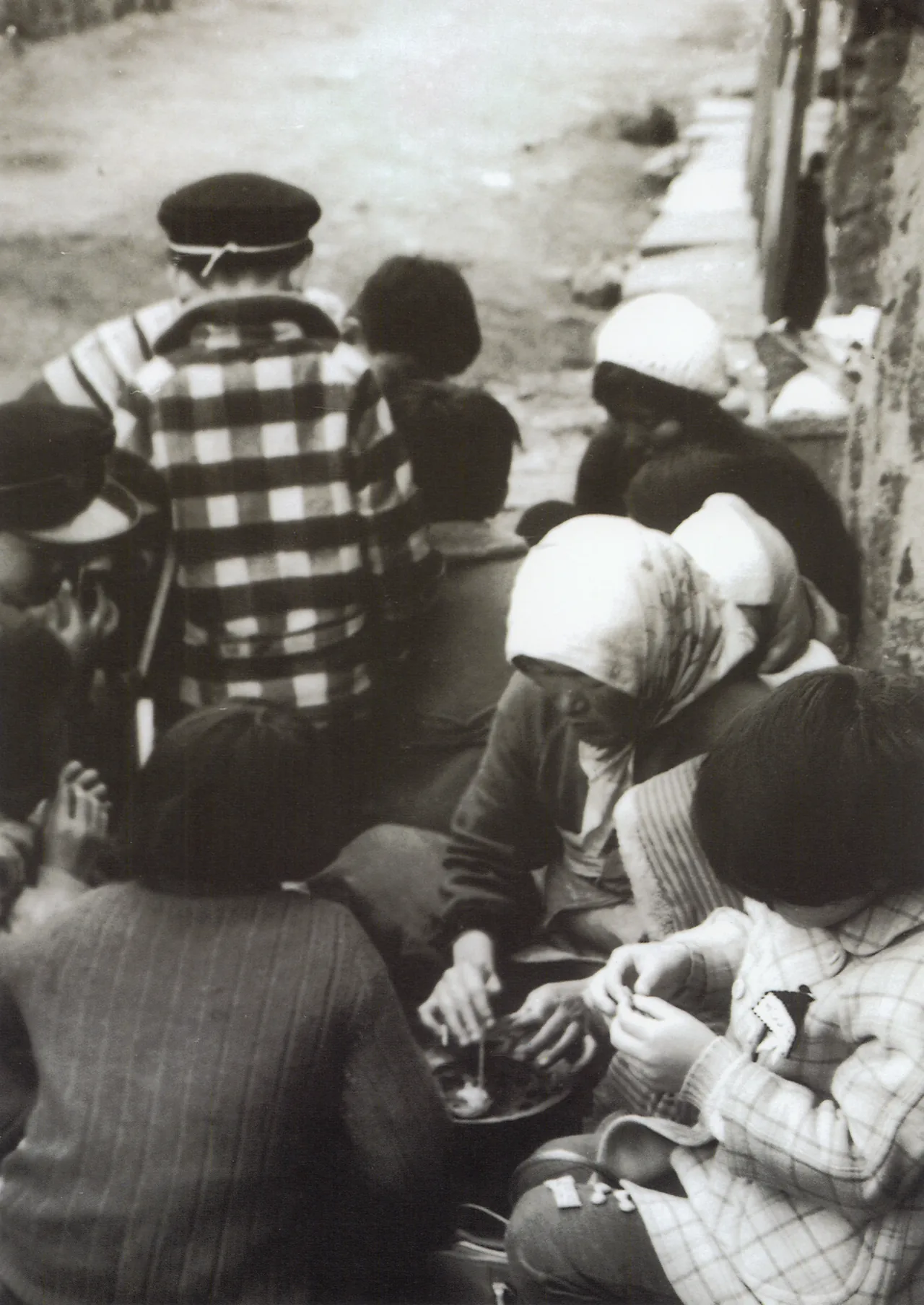
    Vintage photo of Korean children gathered around a street vendor playing the sugar-candy shape game — squid game dalgona

    Long before Netflix, this was just after-school life: crouch around the cart, win a free one. Photo via Wikimedia Commons (public record image).

    Here’s what the drama never explained. The dalgona challenge wasn’t invented for the show — it’s an old Korean street game, sometimes called ppopgi (뽑기, “the pick”). A vendor would melt sugar at a cart, stamp a shape, and hand it to a kid with a simple deal: carve out the shape cleanly and you win a second one, free. Crack it, and you just paid for a snack. For generations of Korean kids, the umbrella was already the shape you prayed you wouldn’t get.

    So when Gi-hun stares down that umbrella, older Korean viewers aren’t just watching a thriller. They’re watching a childhood memory turned into a matter of life and death — which is exactly why the scene hit so hard at home.

    The trick: lick the back

    Close-up of a real dalgona honeycomb sugar candy disc, golden and brittle — squid game dalgona

    Thin, brittle, and unforgiving — one wrong bit of pressure and the whole disc snaps. Photo: PhareannaH[berhabuk], CC BY 2.0, via Wikimedia Commons

    Cornered, Gi-hun does the thing every Korean kid eventually figures out: he flips the candy over and licks the back. His saliva and warmth melt the sugar just enough to loosen the seams around the shape, so the umbrella lifts out clean. Other players notice, start licking too, and the guards — who clearly never grew up on a Korean street — are left baffled. It’s the oldest trick in the book, and it’s the whole reason the “dalgona challenge” exploded on TikTok and YouTube worldwide. I tried it myself with a store-bought disc, and the trick works exactly as advertised — a little spit and patience, and the shape lifts right out.

    That’s the magic of the scene: a global audience thought they were learning a clever hack, while Koreans were nodding along at a shortcut they’d known since grade school.

    So what is dalgona, actually?

    Strip away the tracksuits and the drama, and dalgona (달고나) is almost embarrassingly simple: sugar and a pinch of baking soda. You melt sugar in a small ladle until it turns golden, drop in a tiny bit of baking soda, and it foams up into a light, airy toffee. Pour it flat, press it thin, stamp a shape — done. Two ingredients, one childhood in a disc.

    Want to see the whole thing made from scratch, ladle and all? This short breakdown walks through it:

    One candy, a whole cast on edge

    Jung Ho-yeon, who played Kang Sae-byeok in Squid Game, on a red carpet — squid game dalgona

    Jung Ho-yeon as Sae-byeok — she took the needle with the same nerve she brought to every round. Photo: Ariela Ortiz-Barrantes, CC BY-SA 4.0, via Wikimedia Commons

    What makes the dalgona round land isn’t the candy — it’s who’s holding it. The show spends two episodes making you care about Gi-hun, Sang-woo, and Sae-byeok, and then hands each of them a brittle disc and a needle. Even the ones watching from the sidelines, like detective Hwang Jun-ho (played by Wi Ha-joon) tracking the game from the shadows, are pulled into its orbit. A snack becomes a scale that weighs their lives.

    A plate of real Korean dalgona candy on sticks — squid game dalgona

    Off-screen, it’s just a sweet, cheap street treat — best eaten before it cracks. Photo: 동운맘, CC BY 4.0, via Wikimedia Commons

    That’s the trick of Squid Game in one round: it takes the most innocent thing imaginable — a candy kids beg for after school — and makes you hold your breath over it. And it sent millions of people worldwide scrambling to melt sugar in a ladle, umbrella side up, just to feel a sliver of what Gi-hun felt.

    Wi Ha-joon, who played detective Hwang Jun-ho in Squid Game — squid game dalgona

    Wi Ha-joon as detective Jun-ho — tracking the games from the shadows. Photo: Elle Taiwan, CC BY 3.0, via Wikimedia Commons

    A few quick questions people always ask

    What episode is the dalgona game in Squid Game? Season 1, Episode 3, titled “The Man with the Umbrella” (우산을 쓴 남자). It’s named after the umbrella-shaped dalgona that Gi-hun (Lee Jung-jae) is stuck with.

    What is the Squid Game dalgona trick? Licking the back of the candy. The warmth and saliva melt the sugar just enough to loosen the shape’s edges so it pops out without cracking — a shortcut real Korean kids have used for decades.

    Is dalgona hard to make? No — it’s just sugar and a pinch of baking soda melted in a ladle and pressed flat. The hard part isn’t making it; it’s carving out the shape (especially the umbrella) without breaking the disc.

    Want to taste the real thing?

    You don’t need a green tracksuit — just a street cart. Dalgona is classic Korean street food, and the fastest way to find it (plus a hundred other snacks worth the trip) is to wander a proper market. Start with the street-food stalls of Gwangjang Market, or plan a whole eating trip with our what-to-eat-in-korea food guide.

    And if you do try the challenge at home: pick the umbrella, lick the back, and spare a thought for Player 456. In Korea, that’s not a death game — it’s just Tuesday after school.

    Squid Game (Netflix, 2021), Episode 3 “The Man with the Umbrella,” and the dalgona game details are a matter of record; cast per official credits. Video: Insider Food, “How Dalgona From Squid Game Is Made.” Photos credited inline (CC via Wikimedia Commons).