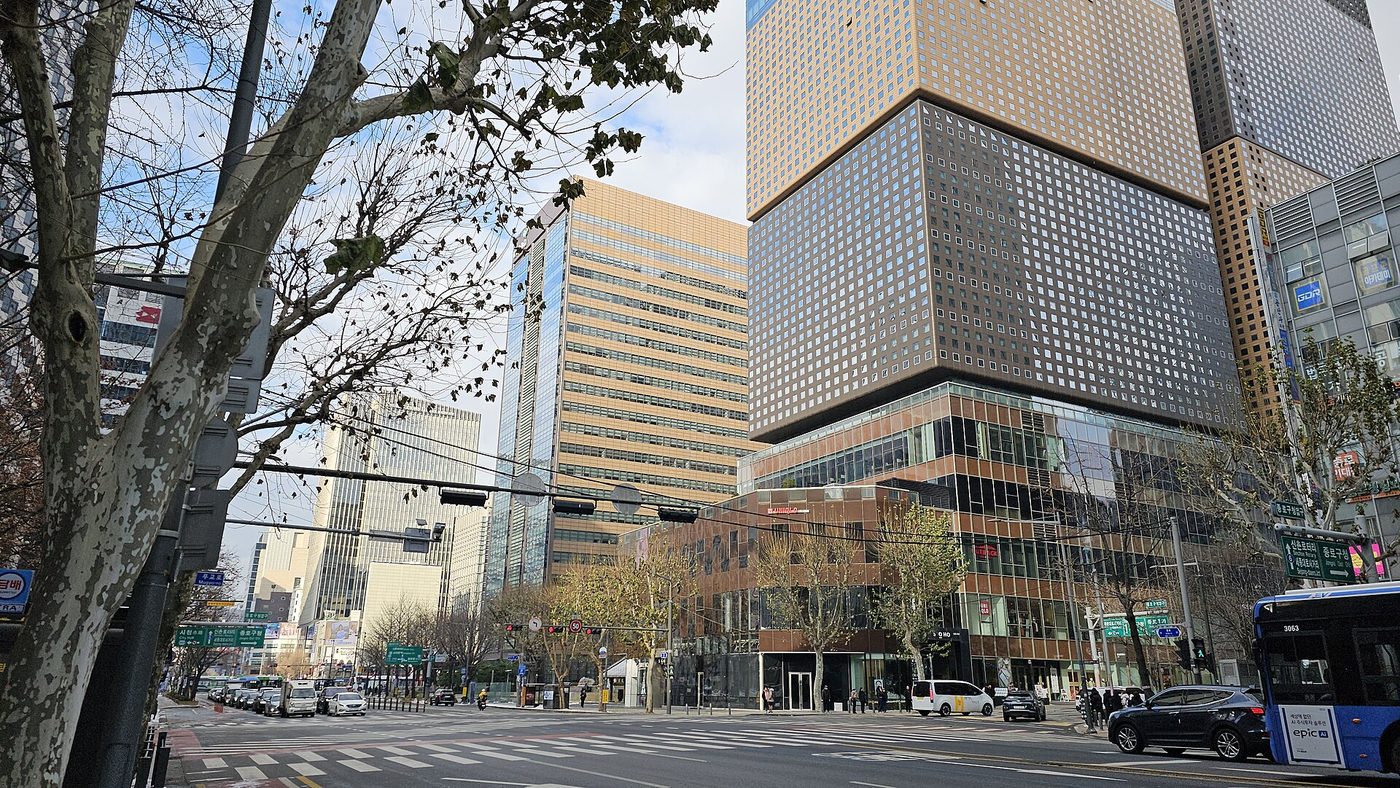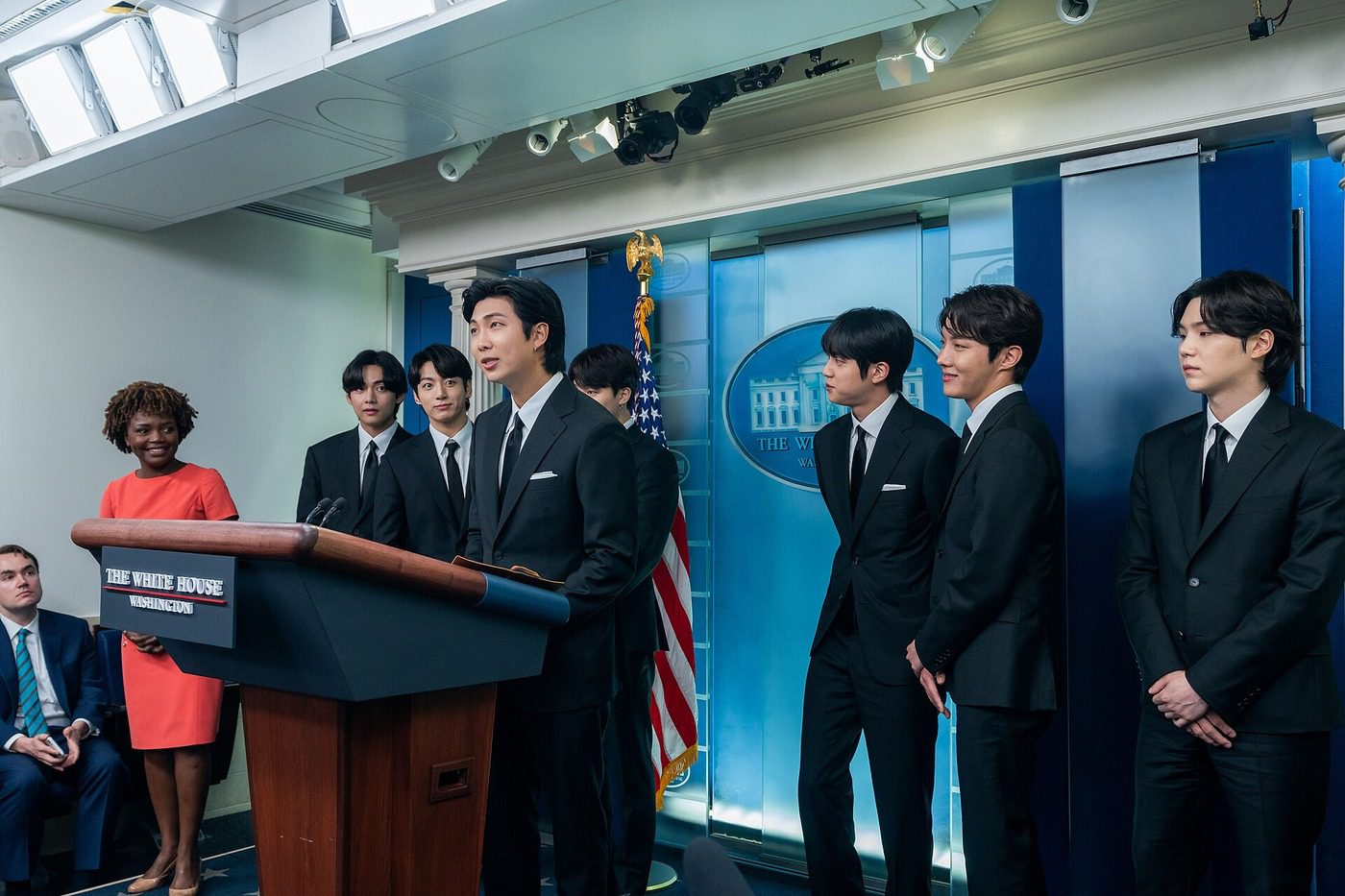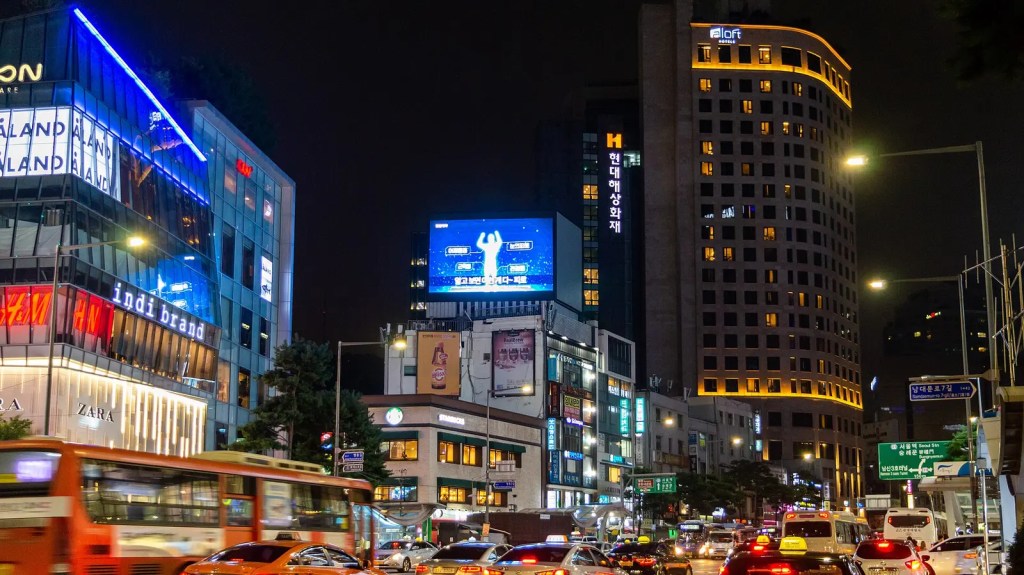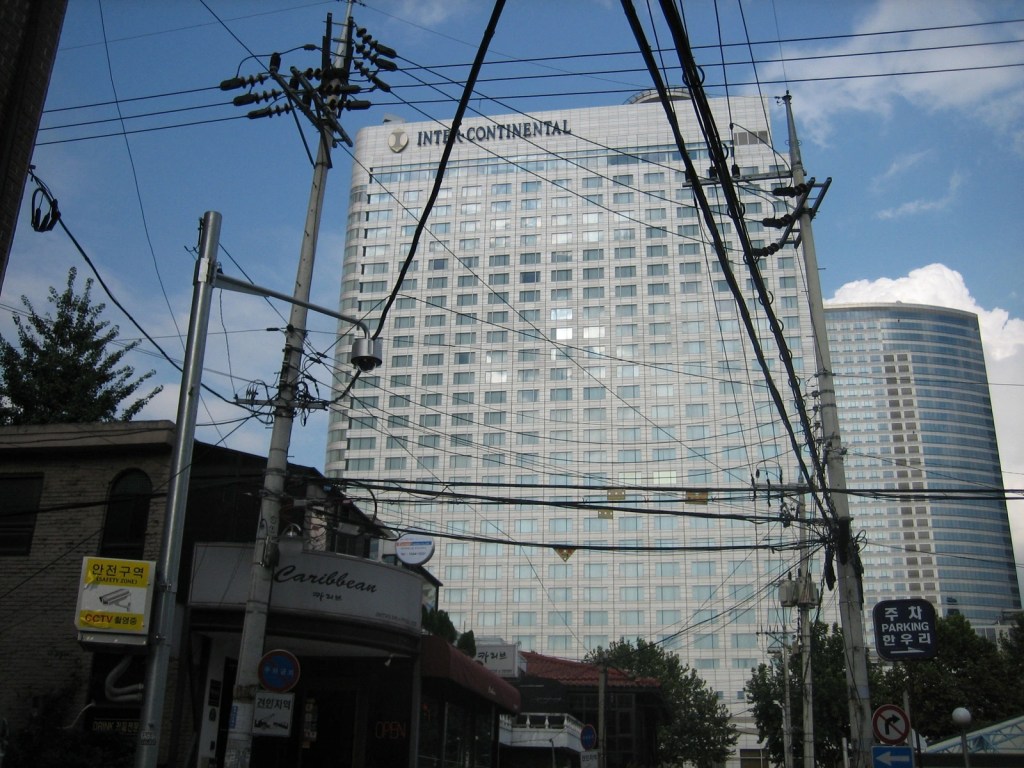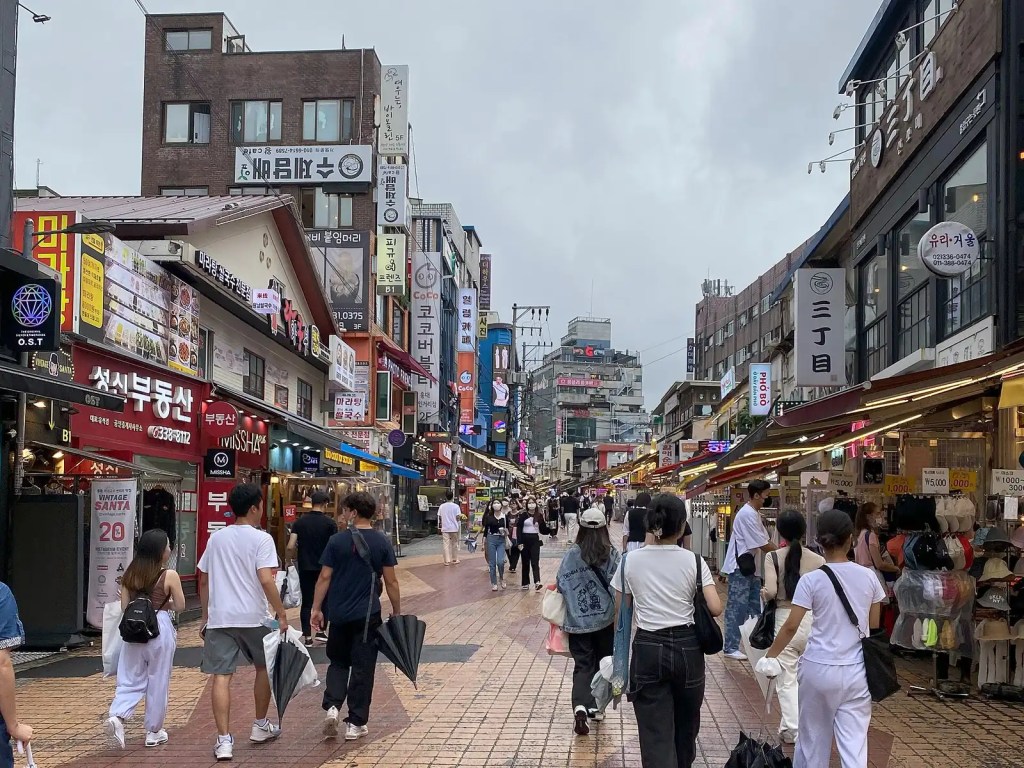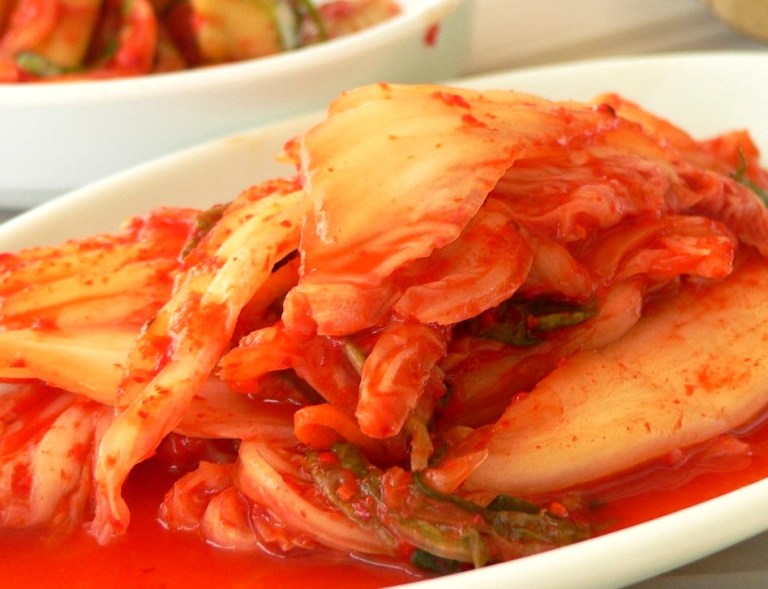
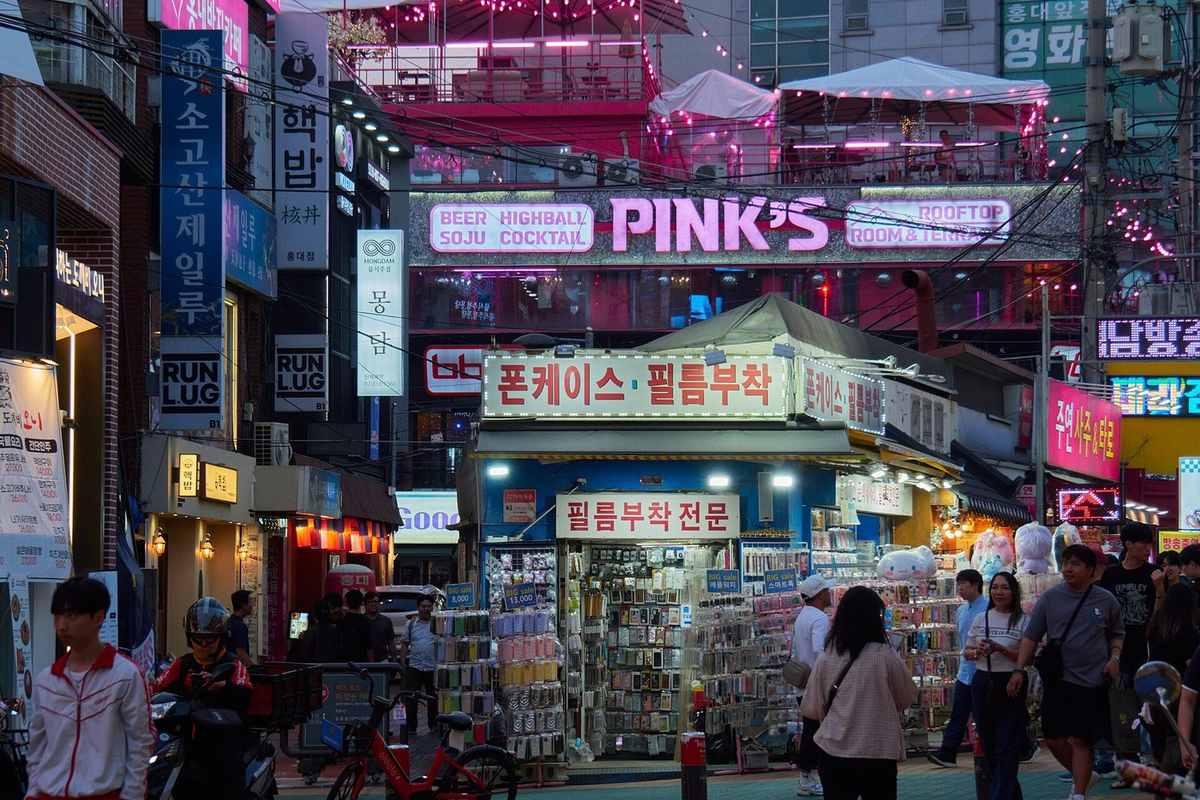
A bar street in Seoul’s Hongdae district — the exact combination this article is about, spelled out on a real sign. Photo: anokarina, CC BY-SA
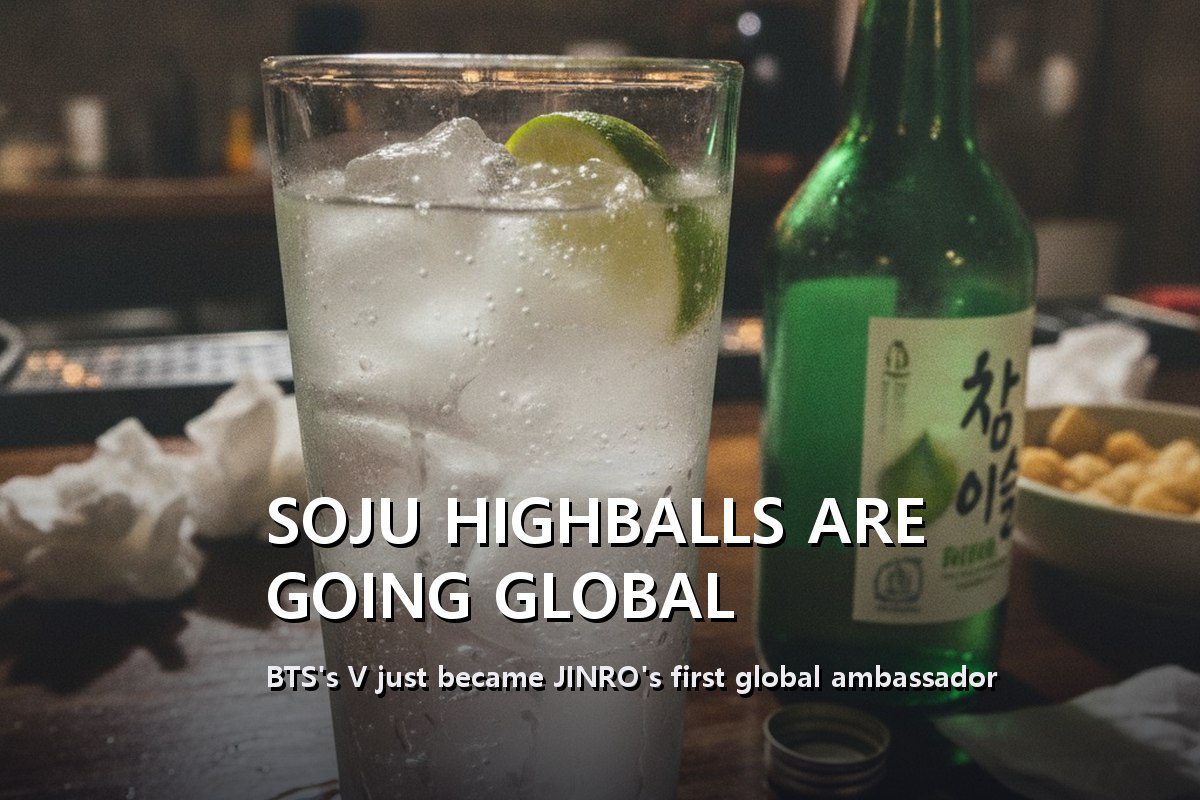
On July 2, 2026, JINRO — the company behind Chamisul, the bottle that sells more units worldwide than any other spirit — announced its first-ever global brand ambassador. It’s BTS member V. Three weeks later, the brand released its first global ad campaign, “My Favorite JINRO,” built entirely around him.
That announcement landed in the middle of something that was already happening without any celebrity’s help: soju, mixed into a highball with ice and soda and sometimes a splash of fruit, has quietly become one of the fastest-growing drinks in bars from Seoul to New York. This piece covers both halves of that story — the real numbers behind that spread, what JINRO’s bet on V is actually about, and the part most coverage skips: the industry’s own export data shows the growth curve is starting to bend.
What a soju highball actually is
It’s exactly what it sounds like: soju — Korea’s clear, mild distilled spirit, usually 16 to 20 percent ABV — poured over ice and topped with a mixer, most often sparkling water, tonic, or a citrus soda. In Korea it goes by a shorter name, somaek (소맥)’s simpler, non-beer cousin, though “soju highball” is what shows up on English-language cocktail menus and what people abroad search for.
The appeal is arithmetic as much as flavor. A standard shot of soju sits well under the alcohol content of vodka or whiskey, so a highball built from it lands lighter than most bar cocktails — closer to a spiked seltzer than a stiff drink. Bartenders have picked up on that and started building genuinely inventive versions: yuzu, grapefruit and plum sojus all get worked into margarita and martini riffs, not just poured straight over ice.
The numbers behind the hype
SOURCE Drinks International via The Investor (Jun 9, 2026) · Research and Markets
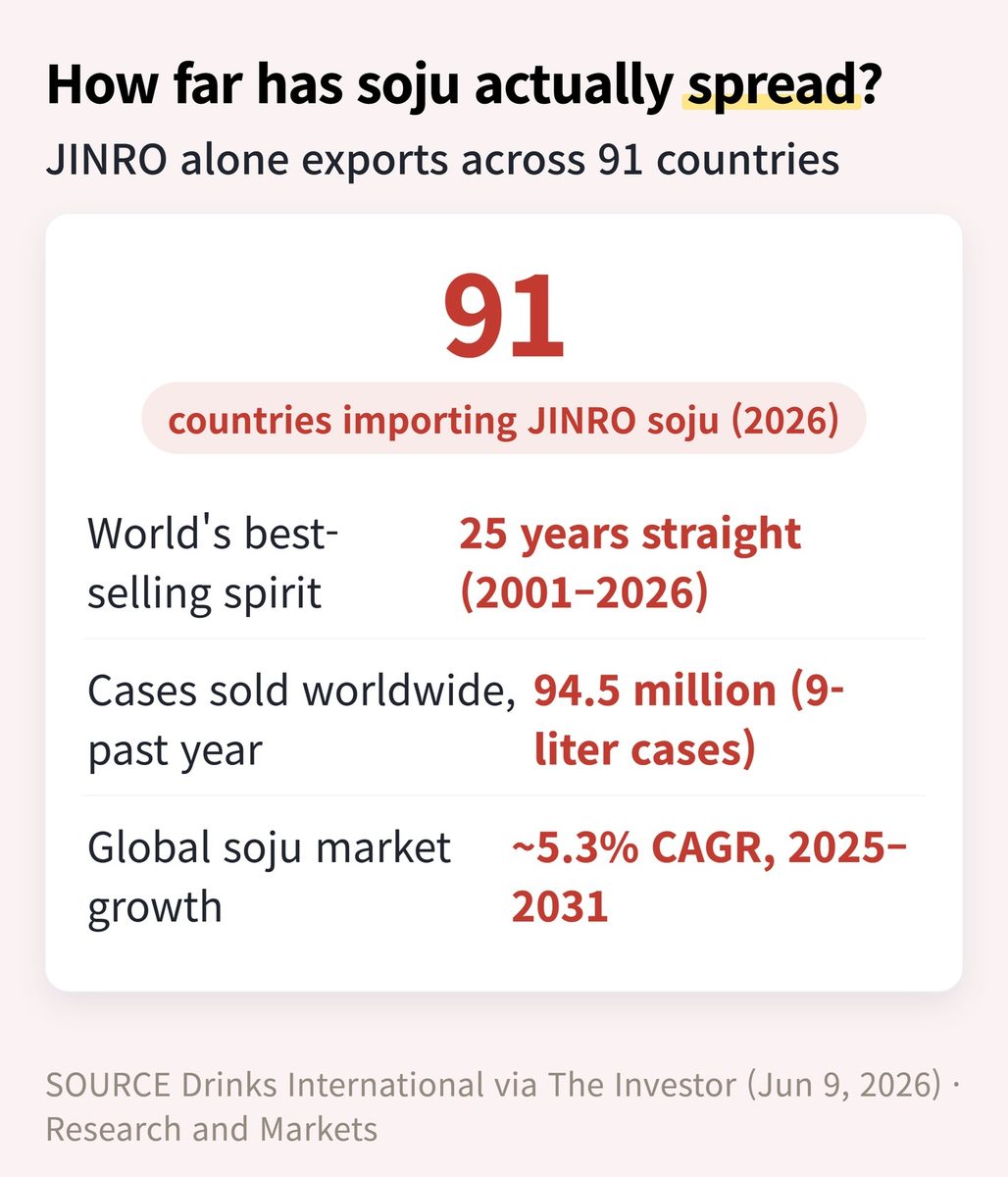
This isn’t a marketing claim dressed up as a trend. HiteJinro, the company behind Chamisul, now ships soju to roughly 91 countries — up from about 80 as recently as 2020. In June 2026, the UK trade publication Drinks International named Jinro the world’s best-selling spirit brand for the 25th year running, a streak that started in 2001. Over the past year alone, the brand moved 94.5 million cases (counted in the industry’s standard 9-liter units) — enough, by the publication’s own comparison, to outsell the entire gin category’s second-place brand combined with everything else in that category.
Layer that specific serving style onto that base, and the growth compounds. Analysts tracking the broader market put its global compound annual growth rate at roughly 5.3 percent a year through 2031, and highball-style serving is a meaningful chunk of why: it’s the format that’s turned it from “the thing you drink with Korean food” into “the thing you order at a cocktail bar that has never served Korean food in its life.”
BTS’s V just became JINRO’s first global ambassador

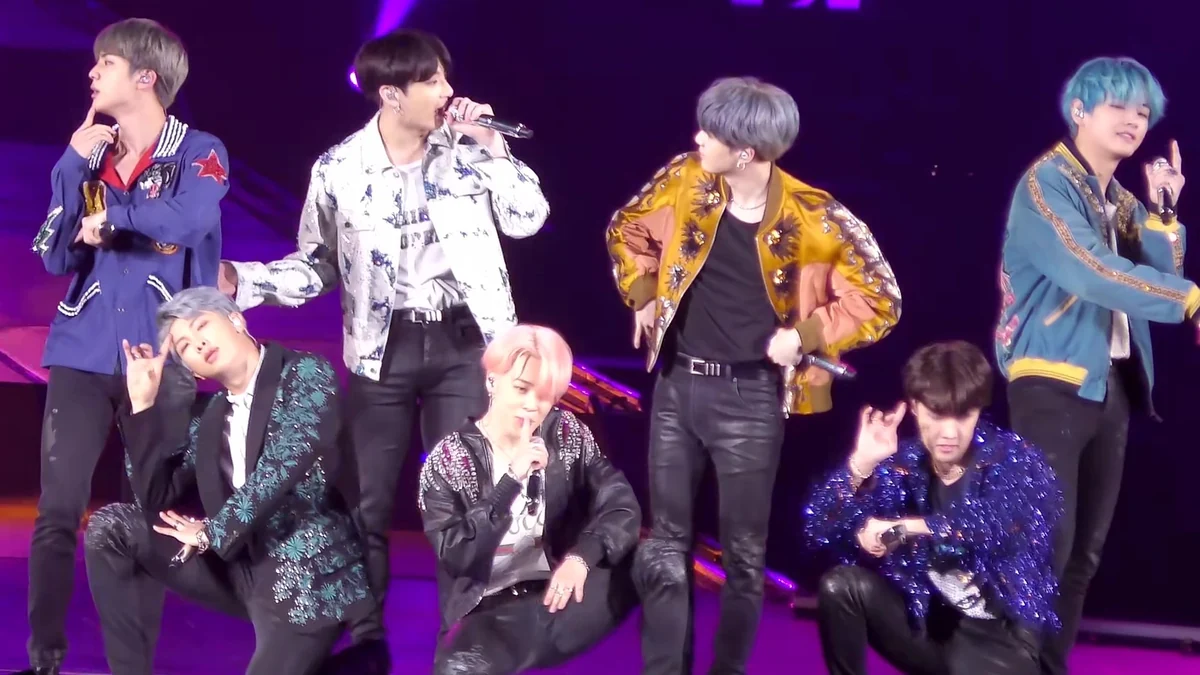
V performing at Dream Concert. Photo: Taehyung’s Moment, CC BY 4.0
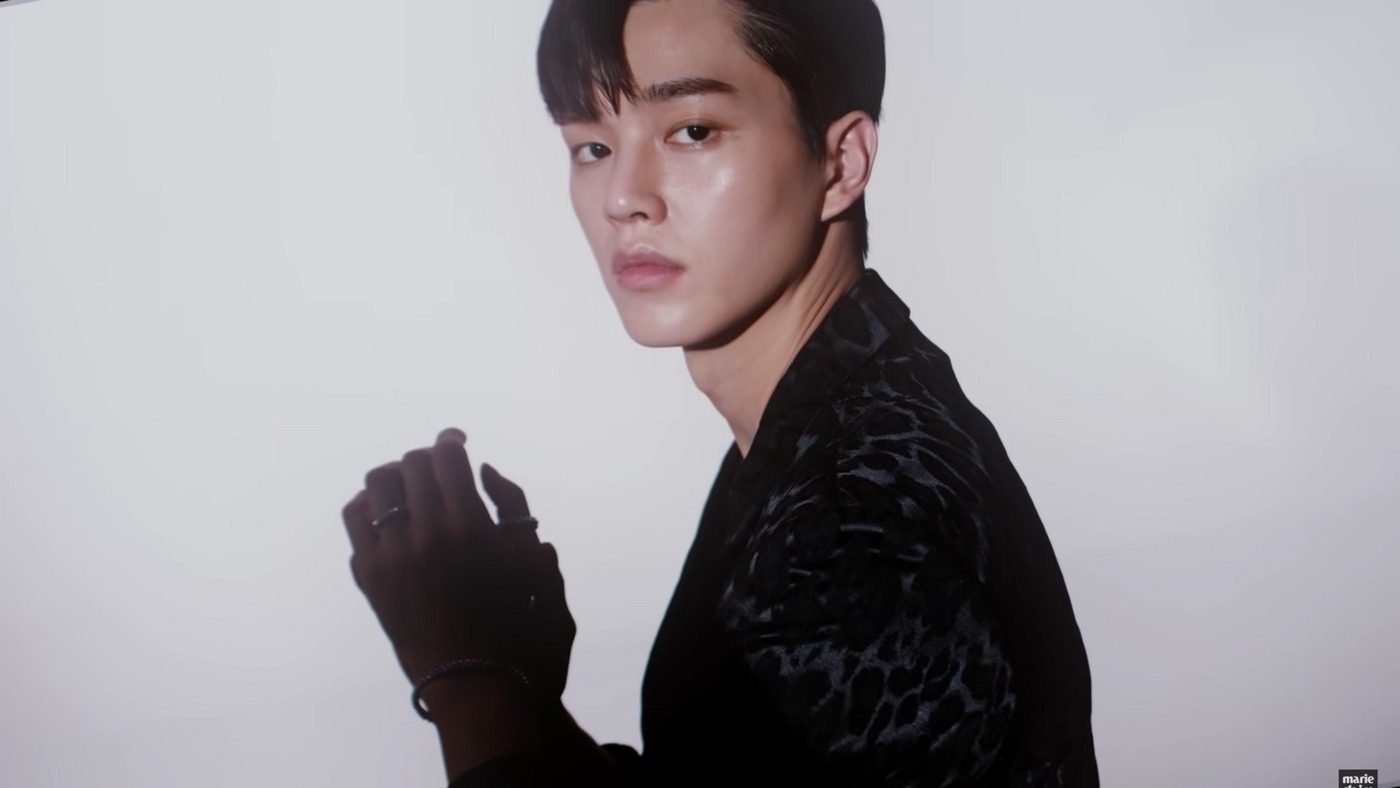
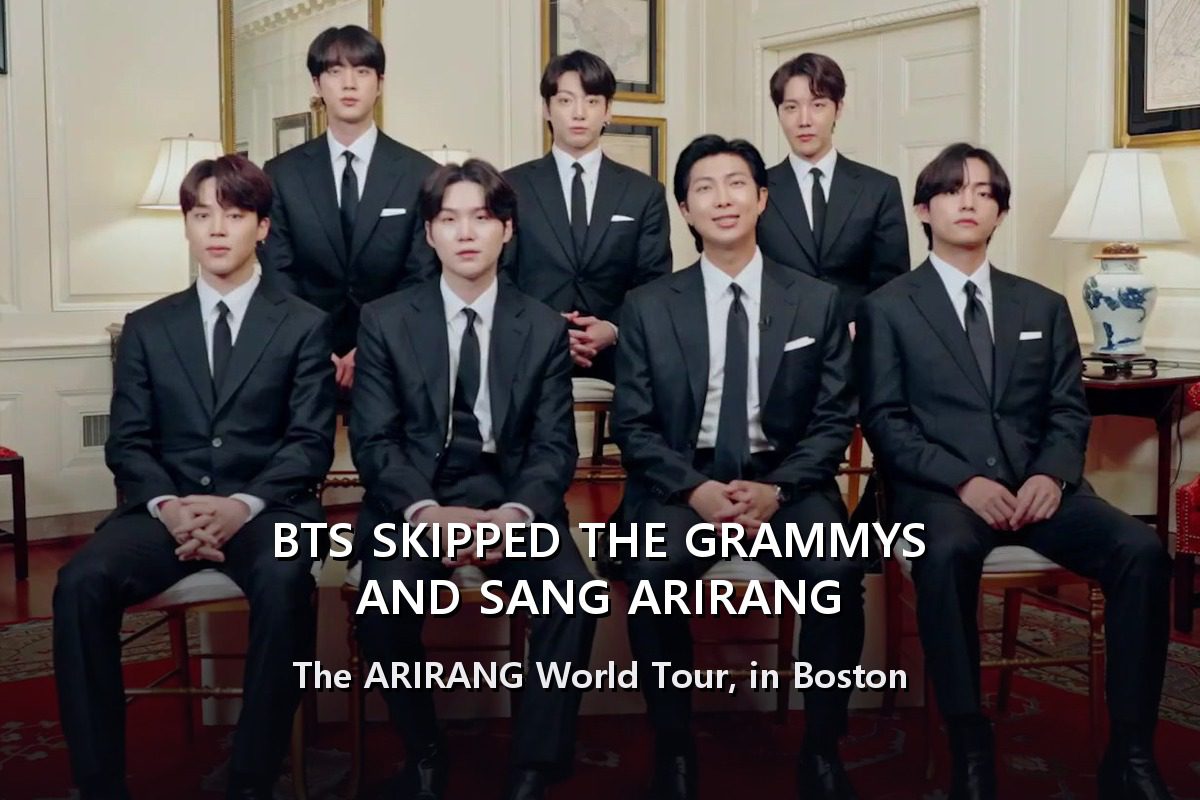
Here’s the part that actually made headlines. JINRO’s July 2 announcement named V, born Kim Tae-hyung, as its first-ever global brand ambassador — not just a face for one market, but the person fronting the brand’s push into every country it sells in. A teaser video went up on JINRO’s Instagram and YouTube a week later, on July 9: 19 seconds of V stepping out of an elevator holding a boxed bottle of Chamisul.
The full campaign, “My Favorite JINRO,” launched July 22 under a new tagline, “Fill The Moment.” The ad’s premise has V showing up at the wrong party by mistake — and instead of it being a disaster, both groups of guests end up drinking JINRO together. It’s a small story built around a real one: JINRO trying to turn a Korean staple into something people anywhere reach for by habit, not just at a Korean restaurant.
It’s worth being precise about what changed here, because it’s easy to mix up. V is the brand’s first global ambassador — the domestic Korean face of Chamisul has been singer-actress IU, who’s fronted the brand at home for well over a decade and is regularly cited as the longest-serving model in Korea’s alcohol industry. JINRO didn’t replace IU; it built a separate role for reaching everyone outside Korea, and gave that role to V.
Why Western drinkers are actually picking it up
A celebrity face doesn’t sell a drink on its own — it works because the ground was already moving. Industry coverage has flagged soju as one of the fastest-growing spirits in U.S. nightlife, with its growth rate among drinkers in their late 20s and early 30s reportedly outpacing tequila’s, which has been the default “hot” spirit in American bars for most of the last decade.
Three things are doing the work at once. The lower ABV fits a broader shift toward lighter drinking, especially among Gen Z consumers who are drinking less overall but still want something at the table. The flavor range — yuzu, grapefruit, plum and now dozens of other fruit-forward versions — gives bartenders a base spirit that plays well in citrus-heavy summer cocktails. And the Korean Wave, from K-pop to K-dramas to Korean food’s own rise on American menus, has made “Korean” a flavor of curiosity rather than a barrier, the same current that’s carried makgeolli into wider circulation abroad.
So is the boom actually slowing down?
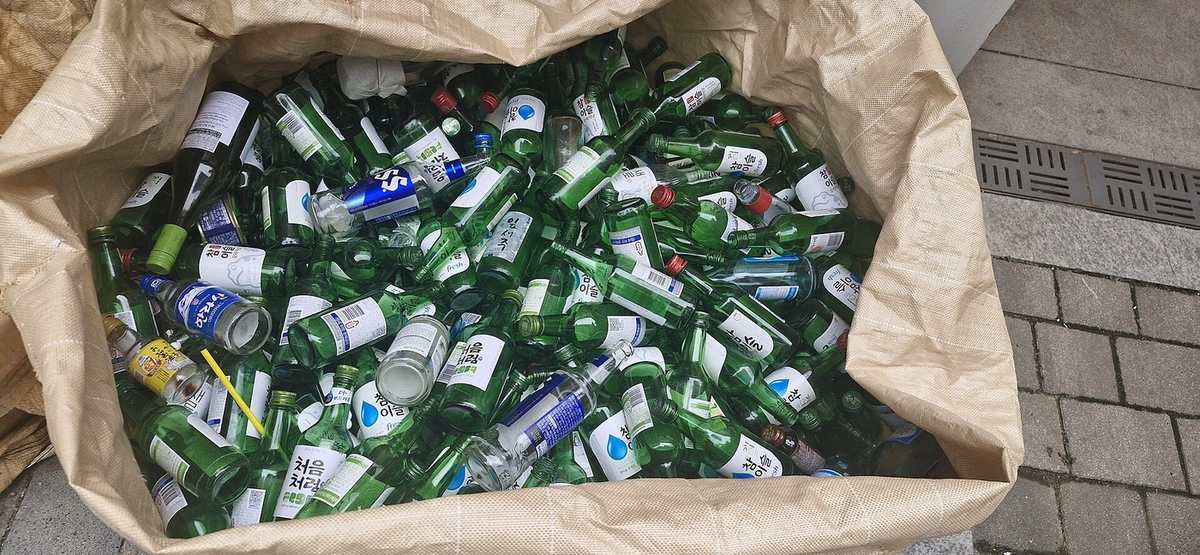
Empty bottles set out for glass recycling near an apartment building in Korea — a reminder that the real base for this industry is still overwhelmingly domestic. Photo: Piotrus, CC BY-SA 4.0
Here’s the part most coverage of the JINRO-V deal skips, and it’s worth being upfront about it rather than just running the highlight reel of export numbers above.
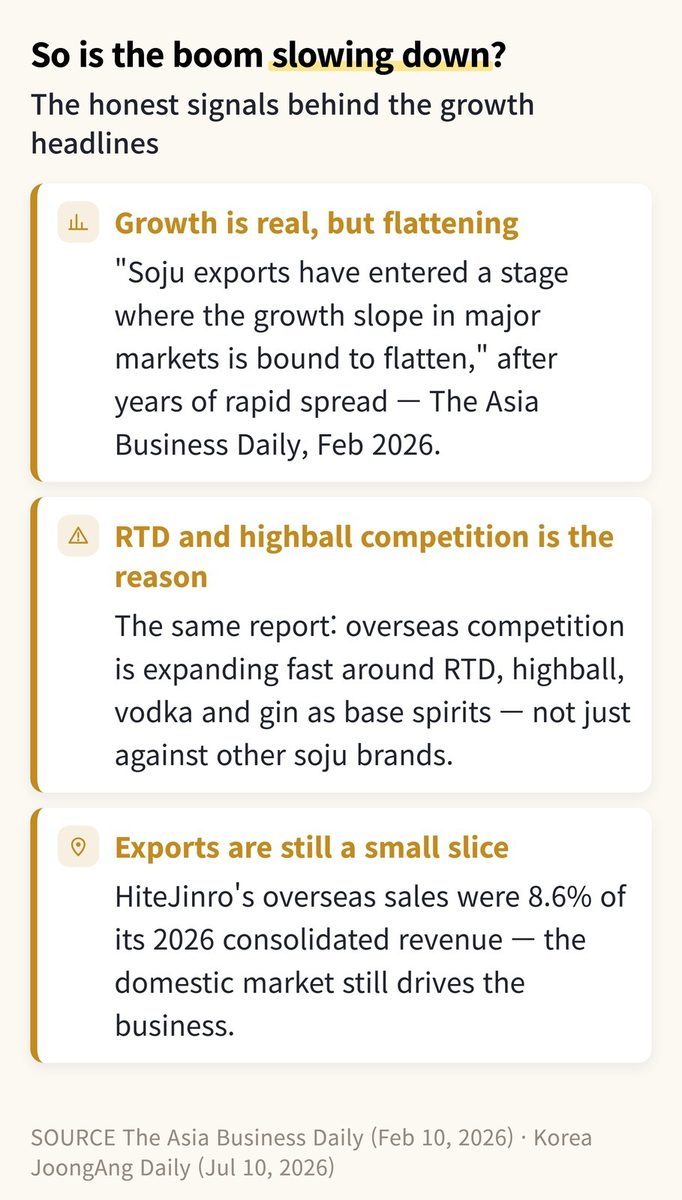
Korean business press covering the industry’s own numbers has been more candid than the marketing headlines. In February 2026, The Asia Business Daily reported that after several years of rapid overseas expansion, “soju exports have entered a stage in which the growth slope in major markets is bound to flatten” — and named the reason directly: competition in overseas liquor markets is expanding fast around exactly the category soju highballs live in, alongside RTD (ready-to-drink) canned cocktails, other highball styles, vodka and gin. It isn’t just competing against similar brands anymore; it’s one option in a crowded, fast-moving lane.
SOURCE The Asia Business Daily (Feb 10, 2026) · Korea JoongAng Daily (Jul 10, 2026)
The domestic picture backs that up. In July 2026, Korea JoongAng Daily reported that HiteJinro’s overseas sales came to about 8.6 percent of its consolidated 2026 revenue — meaning even for the company that sells more of it abroad than anyone, exports are still a small slice next to what it sells inside Korea, where soju production actually dipped slightly in 2025. Rising shipping and packaging costs, tied partly to oil prices, add another squeeze on the export side heading into the back half of 2026.
None of that means the trend is fake. Ninety-one countries and a 25-year winning streak are real, verifiable numbers, not spin. What it means is that the growth curve is shifting from “explosive” to “steady but real” — and that a celebrity ambassador campaign like JINRO’s makes a lot more sense as a response to that shift than as proof the boom will only get bigger from here. Companies invest in star power specifically when they need to keep an established trend growing through a more competitive stretch, not when growth is effortless.
How to actually order or make one

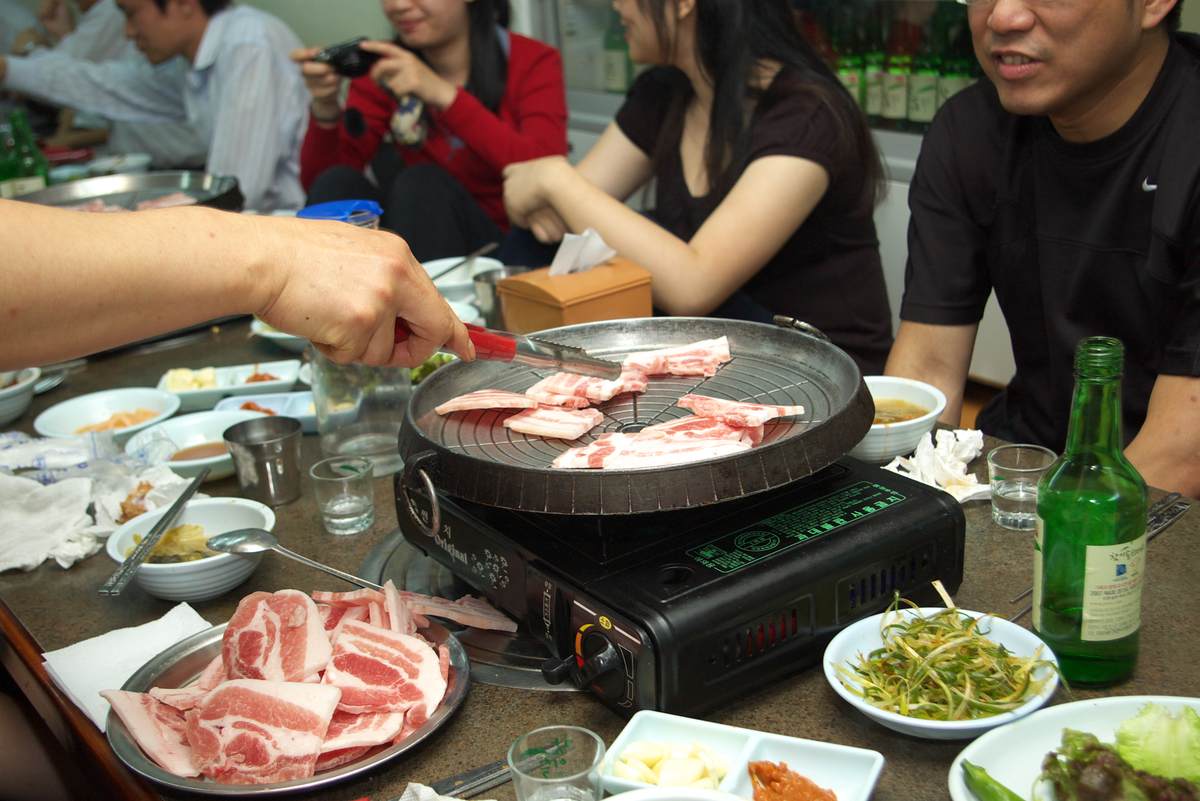
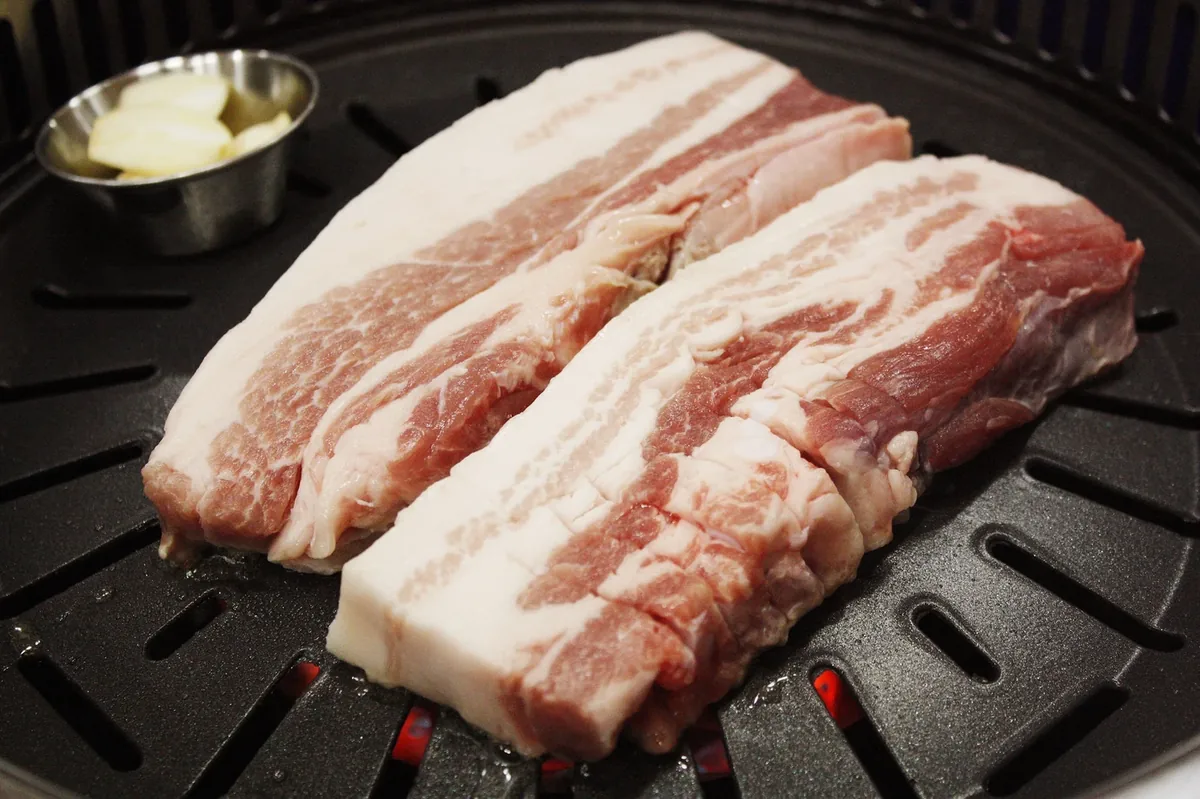
The Korean barbecue table is where this spirit started out — highballs are a newer, lighter way to drink it. Photo: flossyflotsam, CC BY
If a bar near you has picked up the trend, the menu usually lists it as “soju highball” or names the mixer directly — yuzu highball, grapefruit soda, that kind of thing. Building one at home takes about a minute: fill a tall glass with ice, pour in roughly 1.5 to 2 ounces of soju, top with chilled sparkling water or a citrus soda, and finish with a lime or yuzu wedge if you have one. Because the base spirit is lower-proof to start, it’s forgiving — there’s no delicate ratio to protect the way there is with a stiffer cocktail. I’ve never managed to make a bad one at home, which is either a low bar or the whole point of the drink.
The short version
- JINRO named BTS’s V as its first-ever global brand ambassador on July 2, 2026 — and launched the “My Favorite JINRO” campaign three weeks later, on July 22.
- V is the global face; IU has been Chamisul’s domestic model in Korea for well over a decade and keeps that role.
- HiteJinro now reaches roughly 91 countries, moving about 94.5 million cases a year, and has been the world’s best-selling spirit for 25 straight years.
- Its highball’s rise in Western bars is real, driven by lower ABV, fruit flavors, and the Korean Wave.
- Industry press in Korea itself says export growth is starting to flatten, mainly because of intensifying competition from the RTD and highball category itself — not because interest is fading.
Quick questions before you order one
Q. What’s the difference between a soju highball and somaek?
Somaek is soju mixed with beer, a Korean drinking-game staple. A soju highball skips the beer and mixes it with a non-alcoholic mixer instead — soda water, tonic, or a citrus soft drink — which keeps the alcohol content much lower and the flavor cleaner.
Q. Is BTS’s V now the face of all soju, or just one brand?
Just one brand, though it’s the biggest one. He’s JINRO’s global ambassador specifically, for its Chamisul lines. Other Korean makers, including Lotte Chilsung’s Chum-Churum, run their own separate marketing and ambassadors.
Q. If soju highballs are growing, why is Korea’s own soju industry struggling?
Because the two markets move differently. Inside Korea, it faces a shrinking pool of heavy drinkers and a broader “drink less” shift among younger Koreans, so domestic sales have been flat to falling. Overseas, it’s still a newer discovery for most drinkers, so it’s growing off a small base — even as that overseas growth itself starts to level off due to competition.
Q. What ABV should I expect from a soju highball?
Most commercial soju runs 16 to 20 percent ABV before mixing. Diluted in a highball with ice and a full mixer, the finished drink usually lands somewhere close to a strong beer or a light wine spritzer — noticeably gentler than a standard whiskey or vodka cocktail.
If the fruit-forward side of this trend caught your attention, we’ve also covered makgeolli’s own comeback as Korea’s other rising export drink — a very different spirit riding a similar wave. And if you’re curious what else is behind BTS’s connection to Korean food and drink culture, here’s what the group actually eats in real life.
Sources: PR Newswire (Jul 2, 2026 · Jul 22, 2026) · Newswire.ca · The Spirits Business · StarNews Korea (Jul 9–10, 2026) · The Investor (Jun 9, 2026) · Seoul Economic Daily · Research and Markets (Soju Market Report) · Wine Enthusiast · The Asia Business Daily (Feb 10, 2026) · Korea JoongAng Daily (Jul 10, 2026).