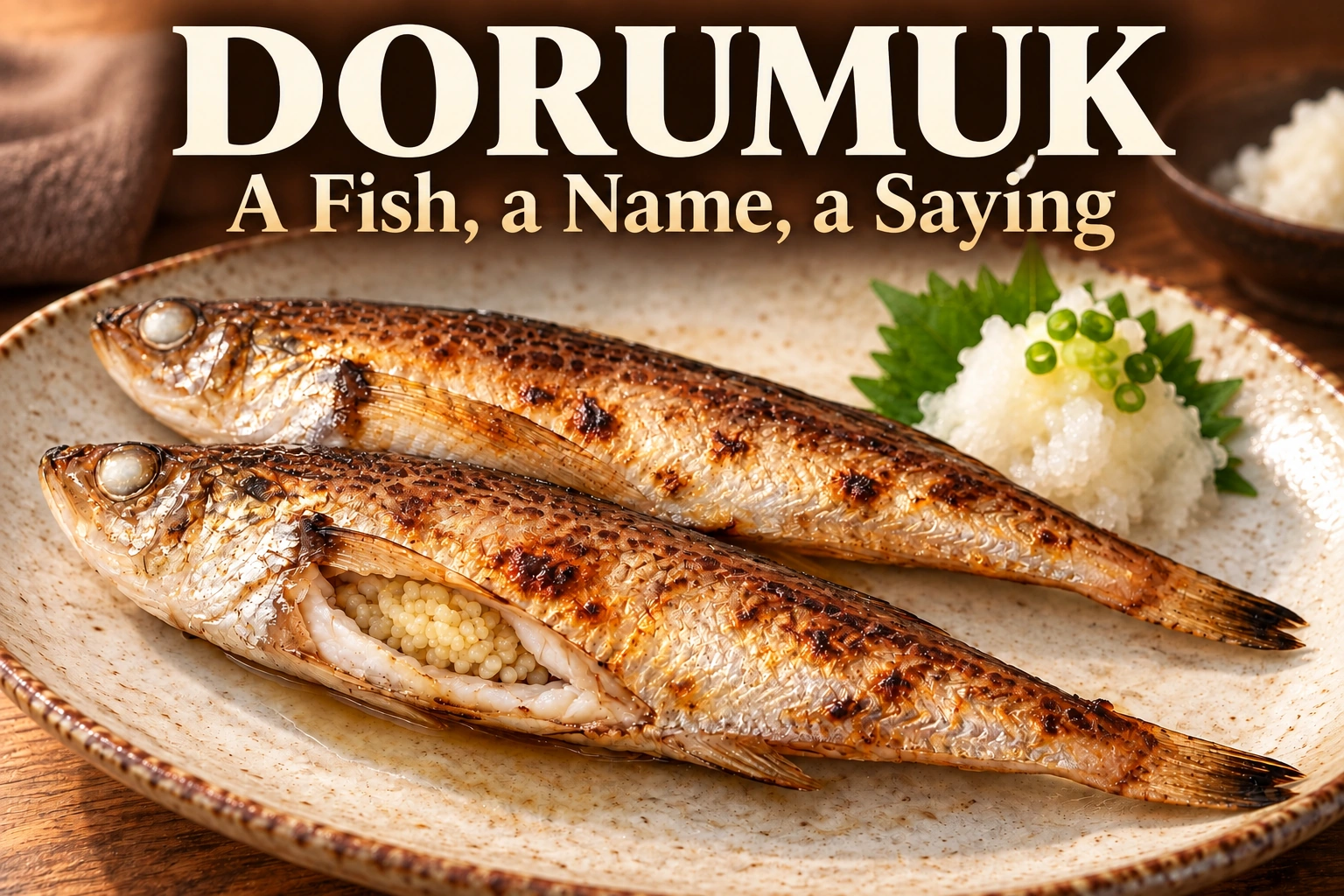
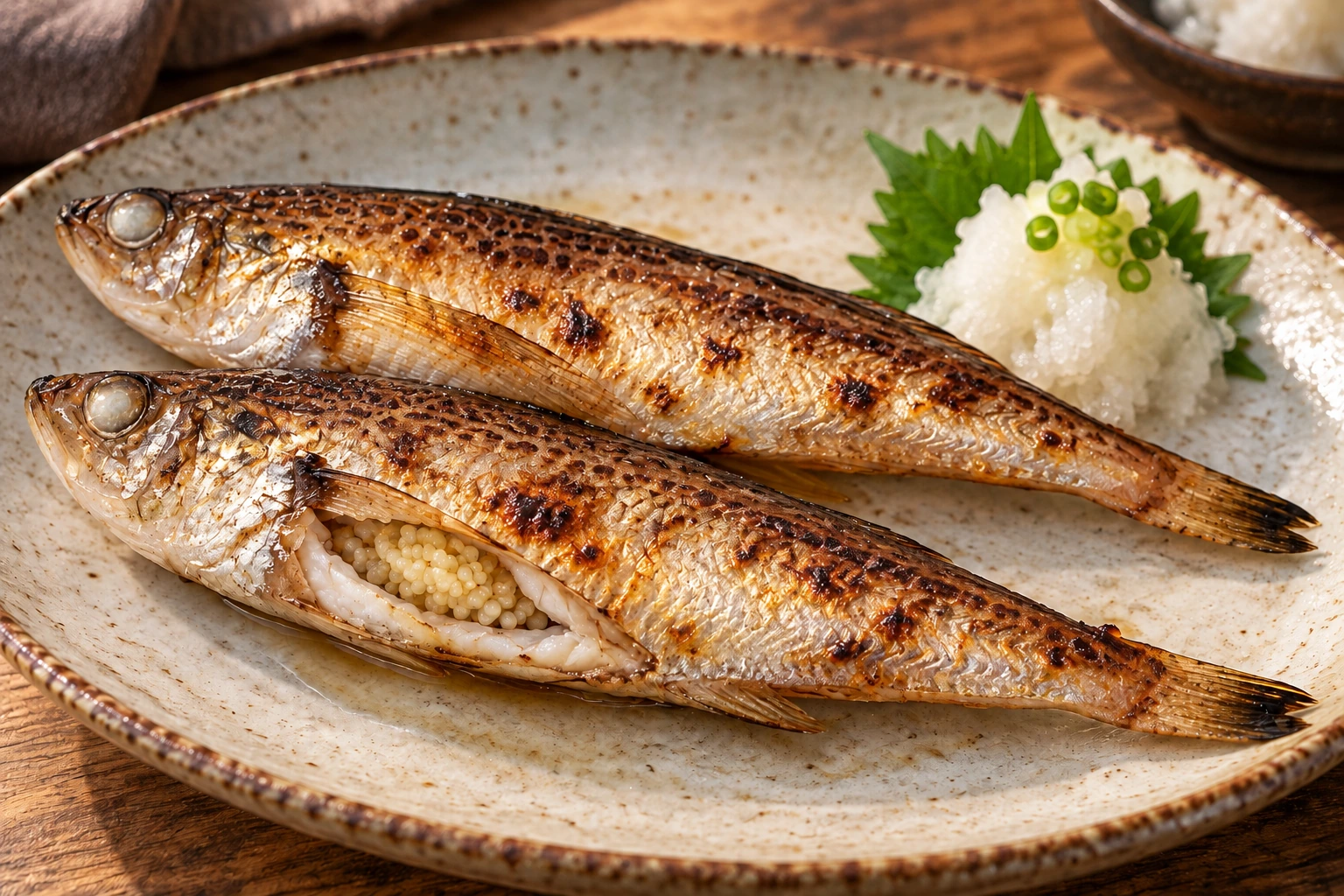
You may meet dorumuk in two very different places: on a menu in a Korean coastal town, or in a conversation about work that has come to nothing. In the expression maljjang dorumuk, the fish becomes an image of wasted effort. Yet a winter dinner featuring its roe can be something people look forward to.
That mismatch is the interesting part. How did an edible fish acquire such an unflattering verbal life? The familiar answer involves a king who changes his mind. The fuller story includes a linguist questioning that explanation, a cook’s family memory, and Japanese cooks giving the same fish another seasonal identity.
Understanding those layers helps you read both a Korean expression and a restaurant menu. You can enjoy the royal tale while leaving room for the people who actually cook the fish.
What does “maljjang dorumuk” mean?
In a food-travel report published by the Korean Food Promotion Institute in January 2021, writer Hong Wonmun explains the expression as effort becoming useless. A loose English equivalent is “all for nothing.” It describes a disappointing result; it does not tell you how the fish on your plate tastes. Hong Wonmun’s Sokcho report.
For an imagined everyday example, consider someone who has carefully prepared a presentation and then loses the file before saving it. The expression could convey the frustration of seeing that work disappear.

There are therefore two questions to keep separate. One concerns the meaning of a phrase in conversation. The other concerns the history of the fish’s name. A memorable explanation of the first can easily be mistaken for evidence about the second.
The king who liked the fish, then changed his mind
A widespread version of the story features King Seonjo during wartime flight. Hungry and far from his usual table, he enjoys a fish called muk and grants it a more flattering name. Back in the palace, it disappoints him, and he orders a return to the earlier name. The phrase “back to muk” supplies the story’s verbal punch line.
Linguist Cho Hang-beom recounts this version in a 2005 essay hosted by the National Institute of Korean Language, then rejects it as a reliable etymology. Cho’s discussion, pages 115–118.
Read as a tale, it poses an appealing question: has the food changed, or has the eater? Hunger and comfort provide the contrast. A king’s supposedly authoritative judgment becomes unstable when his circumstances change. That makes the anecdote easy to remember and retell.
It also makes it tempting to supply a precise king, journey and dinner. Those details need evidence of their own. The story’s neat ending does not provide that evidence.
What the older name can tell us
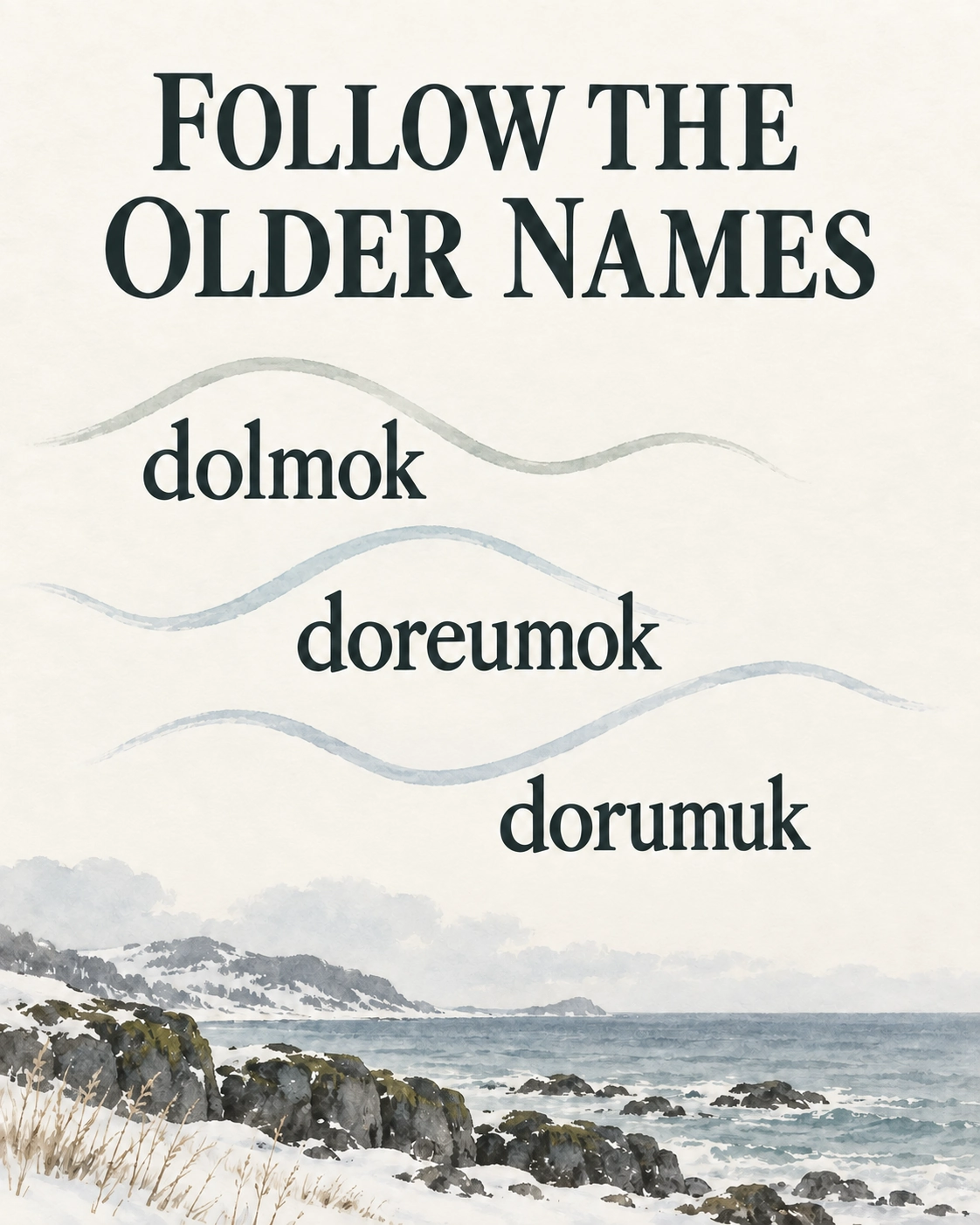
Cho instead traces dorumuk through earlier forms including dolmok and doreumok. He argues that the name can be explained through changes in pronunciation, without deriving it from a king’s command to call the fish “muk again.”

His interpretation of the element dol connects it with lower esteem in certain animal and plant names. He also acknowledges uncertainty about the ultimate origins of the component words. This is a linguistic argument with its own limits, rather than a recovered transcript of the name’s first use. Cho Hang-beom’s etymological analysis.
The Academy of Korean Studies records another royal version involving a Goryeo king, as well as a tradition involving King Injo. Its account also distinguishes older references to a fish called euneo from today’s fish bearing that name. These shifting rulers and labels complicate any simple identification of one legendary dinner as the origin. AKS, “Dorumuk”.
For the reader, the useful distinction is between evidence that a story circulated and evidence that its event occurred. An old written retelling can establish the former without settling the latter.
Why dorumuk belongs to the winter coast
The fish itself is sailfin sandfish, Arctoscopus japonicus. The AKS account describes it living over sandy or muddy seabeds in deeper water and moving into shallow, seaweed-rich areas during its early-winter spawning period. That movement gives the seasonal food story a biological setting. AKS species account.
The Korea Tourism Organization’s description of dorumukgui places the dish around Gangneung and Sokcho. It emphasizes winter roe, grilling over briquettes or charcoal, and eggs with a slippery surface and a popping texture. It also notes a braised preparation with radish and green onions. KTO’s grilled sailfin sandfish guide.
These are useful expectations for a first meal. Roe brings a different experience from a simple fillet, and grilled fish differs from fish cooked with vegetables and sauce. Ask whether a particular serving includes roe instead of assuming every dorumuk dish will provide the same texture.
A language lesson might leave you thinking of disappointment. A menu question brings you back to season, cooking method and the actual serving.
A Sokcho mother’s food becomes a restaurant side dish
Hong Wonmun’s 2021 report introduces Kim Hasik of Sokcho Bokjip. Kim recalled eating dorumuk sikhae as a child because his mother, originally from Hamgyeong, prepared it. He later served the fermented fish as a side dish at his restaurant.
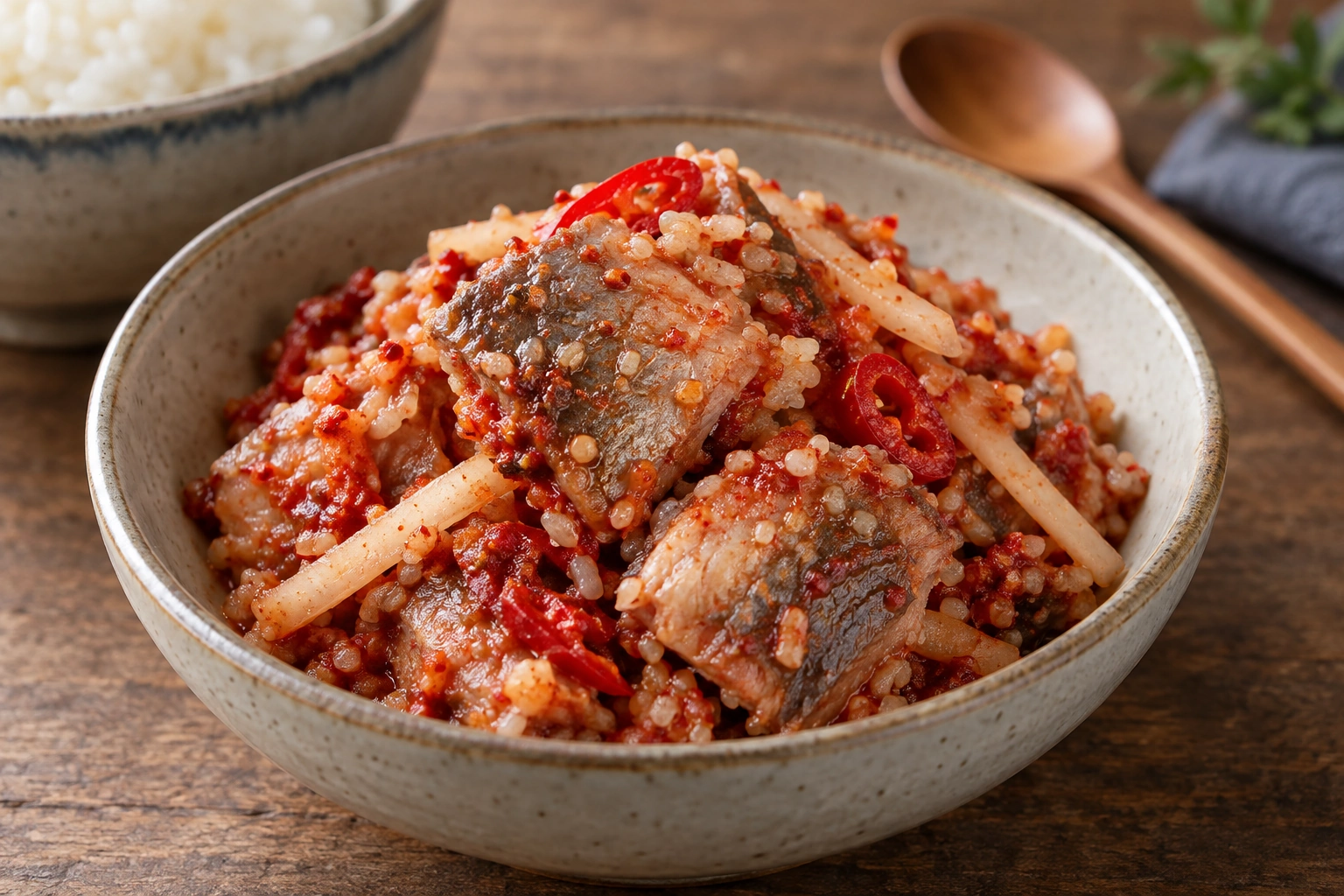
Kim described making the side dish with the winter supply of fish, and customers enjoying it. The Korean Food Promotion Institute’s interview.
Here, a named cook’s account offers something a king story cannot: a specific route by which knowledge moves between people. A child eats a mother’s food, remembers it, and makes it available to customers. The fish becomes recognizable through continuity of practice.
This is a dated account of one restaurant’s cooking, rather than a promise about its present menu. It still matters as evidence of how a coastal ingredient can hold family geography inside an ordinary side dish.
Potatoes and radish give the fish another role
A Gangwon recipe documented in the Korean Traditional Knowledge Portal’s 2008 regional-food collection is dorumuk gamja jjim. It combines sandfish with potatoes and radish, using seasonings that include soy sauce, garlic, chili and gochujang.
The recorded method places the sliced vegetables underneath the fish before cooking with water and adding the seasonings. Despite the English title’s use of “steamed,” the directions describe cooking the ingredients in a pot with water. Regional recipe supplied by the Rural Development Administration.
For someone choosing between dishes, this arrangement shifts attention from an individual grilled fish to a seasoned preparation shared with vegetables. The potatoes and radish belong to the dish’s identity, rather than functioning as an unrelated garnish.
This one documented recipe need not stand for every Gangwon household. It shows why searching only for “grilled dorumuk” would miss part of the fish’s culinary life.
In Akita, the same fish is hatahata
Across the sea, Japanese cooks know this fish as hatahata. Japan’s Ministry of Agriculture, Forestry and Fisheries presents shottsuru nabe as an Akita winter specialty, associated with the November–December season.
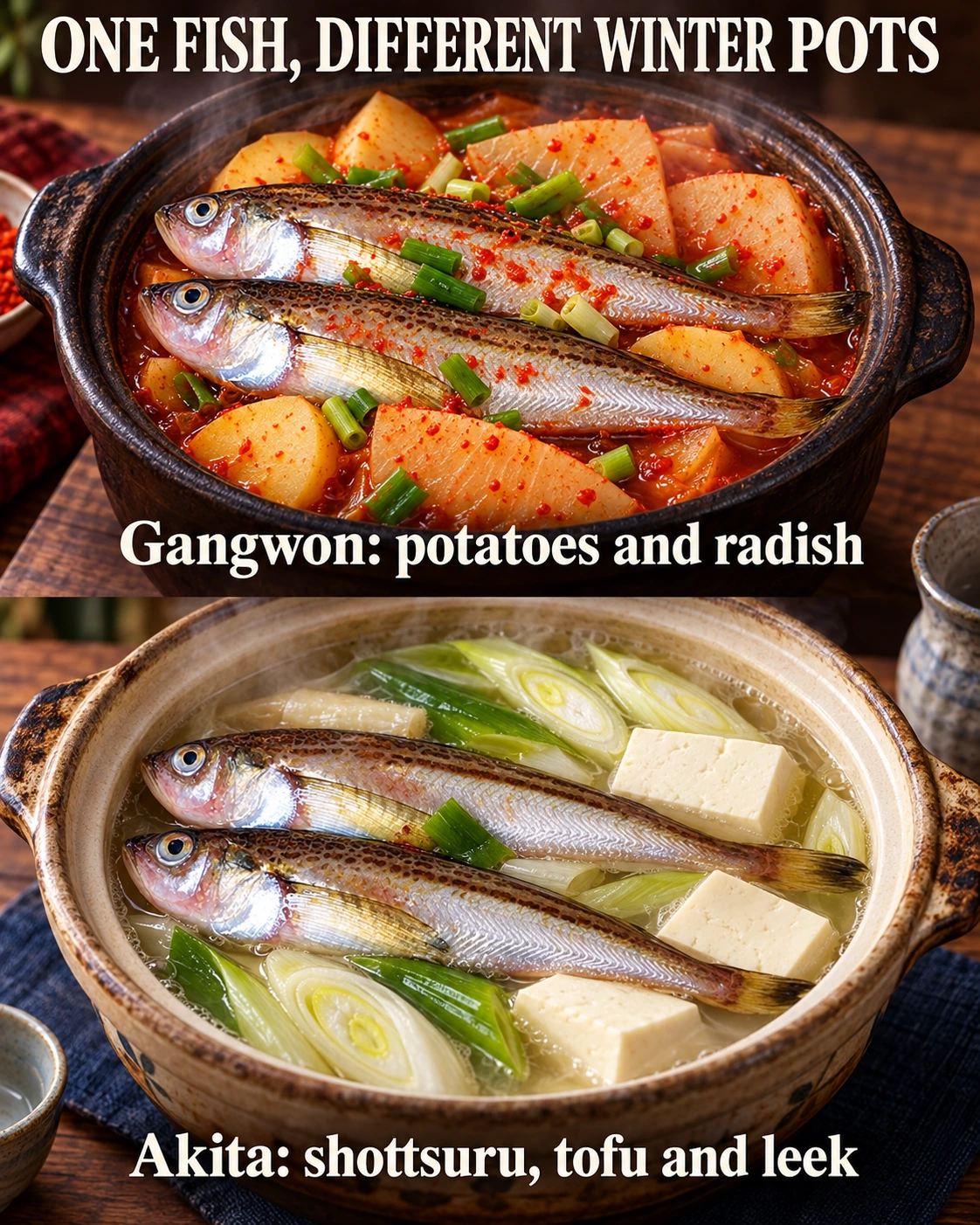
The hot pot combines the fish with shottsuru, a fermented fish sauce. The ministry describes preparations with ingredients such as tofu and leek, alongside an Oga tradition of a simpler fish soup. It also records the association of hatahata’s name with thunder. MAFF’s Akita regional cuisine account.
The comparison changes the question from “Which country has the better version?” to “What do people make meaningful about the same ingredient?” Korean expressions invite a story about reversal and disappointment. The Akita account evokes winter weather and a regional hot pot. Neither comparison proves that one dish descended from the other.
When you next encounter dorumuk, look beyond its verbal reputation. Check the cooking method, ask about roe, and notice whether the fish appears as a main dish or a fermented side. The king may supply the memorable anecdote; the coast, cooks and changing names supply a much richer dinner conversation.