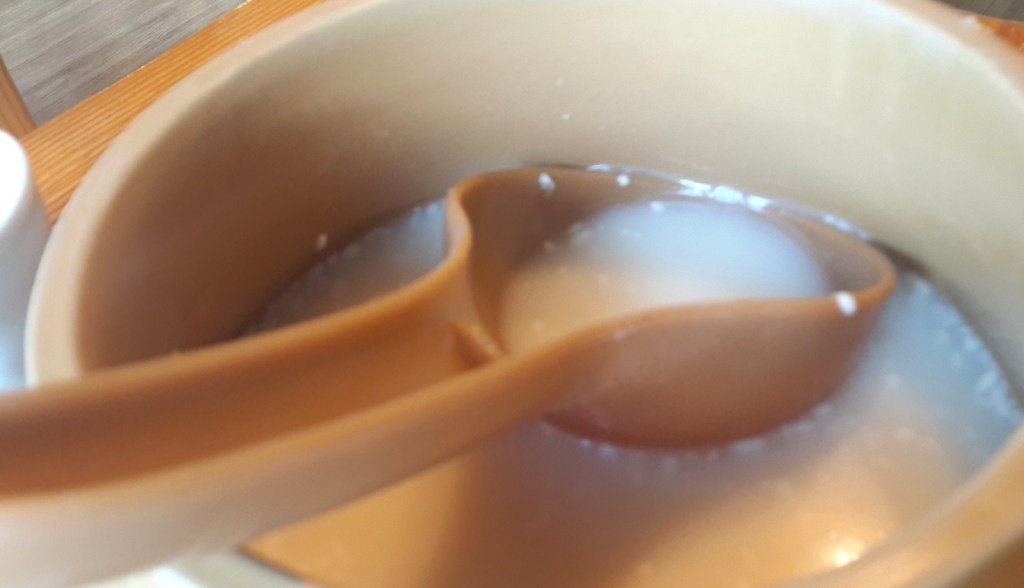
Makgeolli — cloudy, milky, lightly fizzy, and suddenly very cool again. Photo: Mar del Este, CC BY-SA 4.0, via Wikimedia Commons.
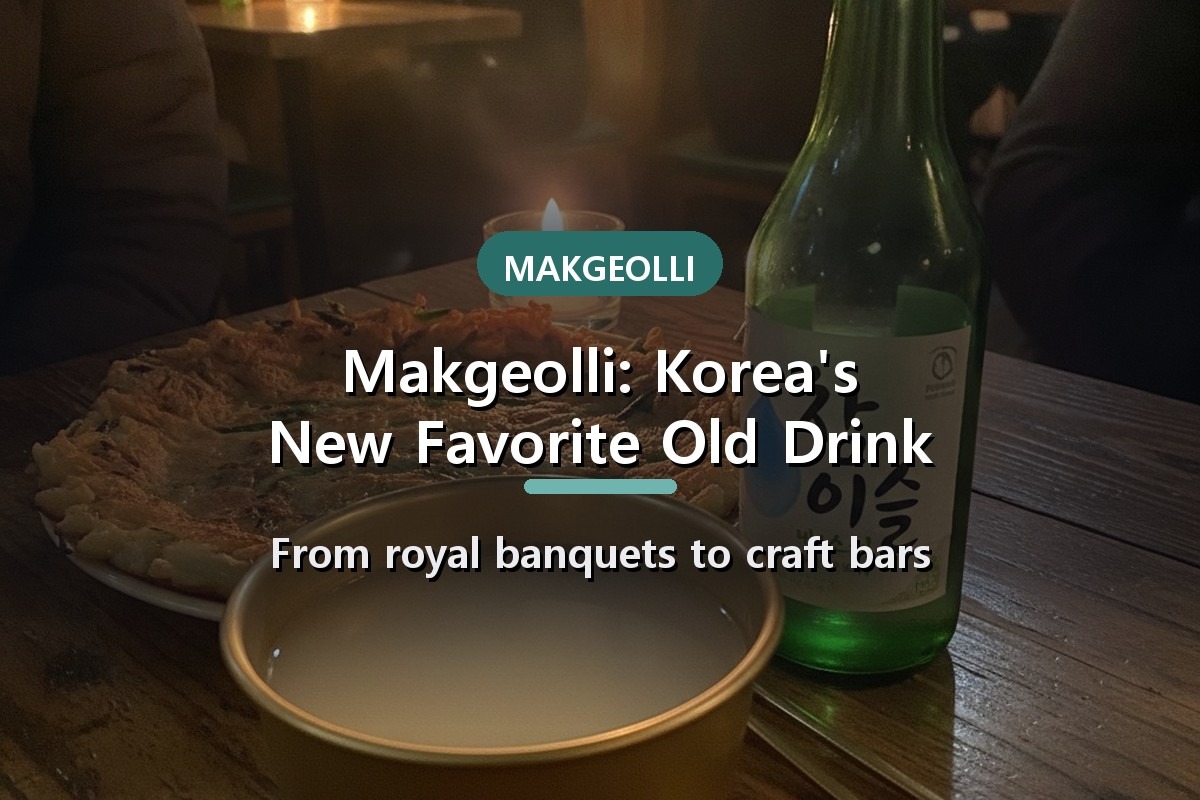
For years, young Koreans wrote off makgeolli (막걸리) — Korea’s traditional rice wine, the cloudy, milky brew their grandfathers drank from tin bowls — as cheap and old-fashioned. Not anymore. Craft makgeolli bars with sleek interiors and tasting menus are booming across Seoul; brewers are aging small batches with heirloom rice and infusing them with chestnut, pumpkin, even espresso; sales jumped over 20% in a few short years. People are asking whether Korea’s oldest alcohol can become as globally trendy as K-pop.
Here’s the twist behind the trend. This “new” hip drink is one of the oldest things Koreans make — poured at royal banquets, splashed across centuries of Joseon paintings, and nearly wiped out entirely. To understand why makgeolli is having a moment, you have to know how close it came to disappearing. But first, the comeback.
“Korea’s most old-fashioned drink became its coolest — again.”
Makgeolli is suddenly the coolest drink in Korea
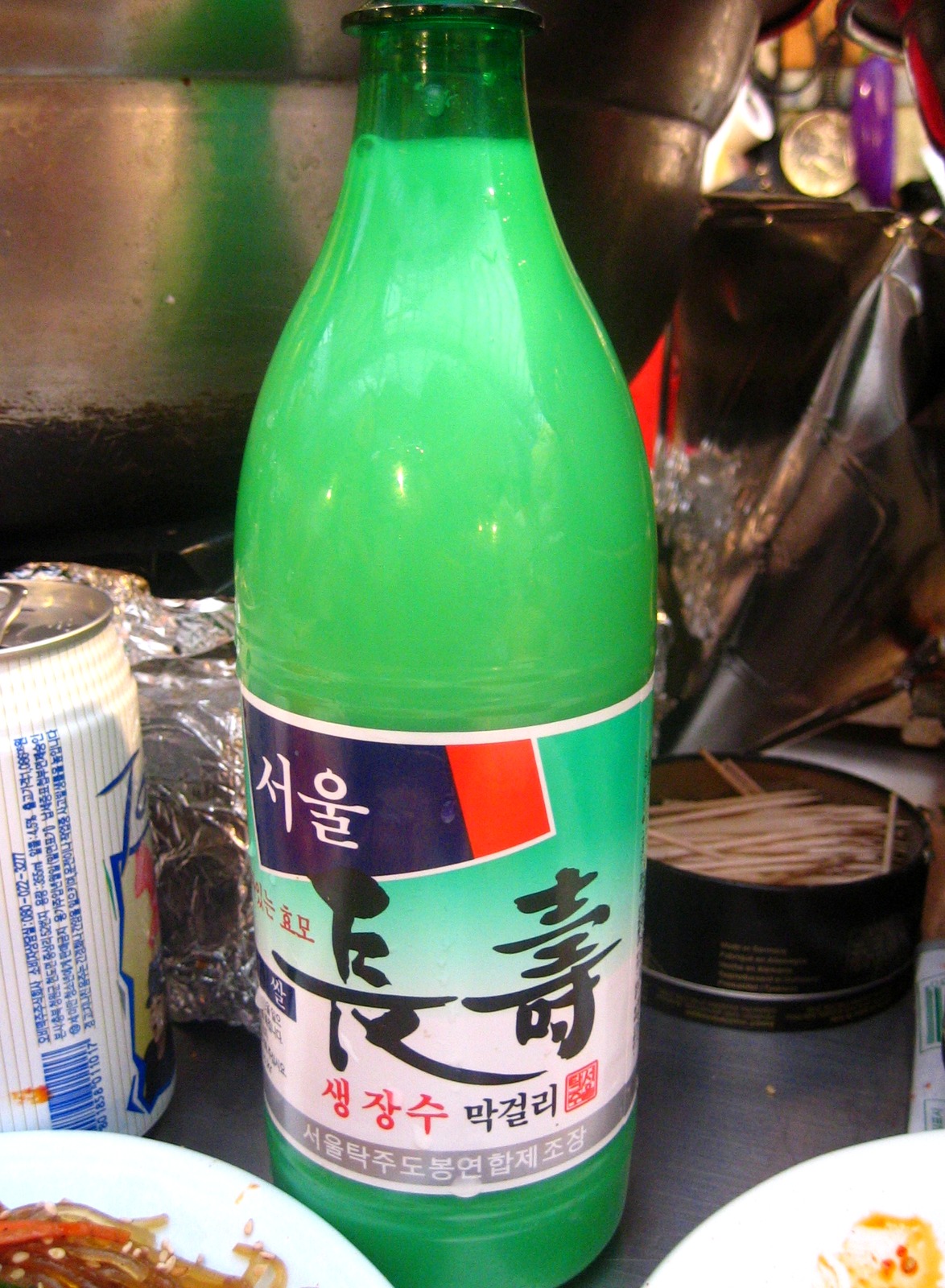
From cheap bottles to craft tasting flights — makgeolli is filling stylish new bars. Photo: ayustety, CC BY-SA, via Openverse.
The makgeolli of today is a different animal from the cheap stuff of a decade ago. At its best, this Korean rice wine is creamy and lightly effervescent, with a tangy, almost yogurt-like acidity balanced by a soft sweetness — closer to a living, sparkling farmhouse drink than the flat bottles of the past. A craft renaissance that started in the early 2010s put small-batch brewers to work with heirloom rice and traditional nuruk (fermentation starter), and the results landed on the menus of stylish “makgeolli bars” — hunt them down in Seoul neighborhoods like Euljiro and Seongsu-dong — alongside bar food that goes well past the old standbys. Some versions come naturally sparkling; some are flavored with fruit or nuts; one Michelin feature even asked whether this ancient brew could ride the Hallyu wave.

The new face of an old drink: cloudy makgeolli, raised in a sleek modern bar. (Illustration)
It also helps that many younger drinkers are drawn to makgeolli’s fermented character and old-fashioned, handcrafted brewing — a live, naturally fermented rice wine feels a world away from mass-market beer. Makgeolli sales in Korea rose more than 20% in just a few years, and young Koreans increasingly treat drinking it as a small act of reclaiming their own heritage. Which is fitting — because the heritage runs deep.
A drink fit for kings, painted for centuries

Joseon folk art — the vivid visual world makgeolli belonged to. Painting: public domain, via Wikimedia Commons.
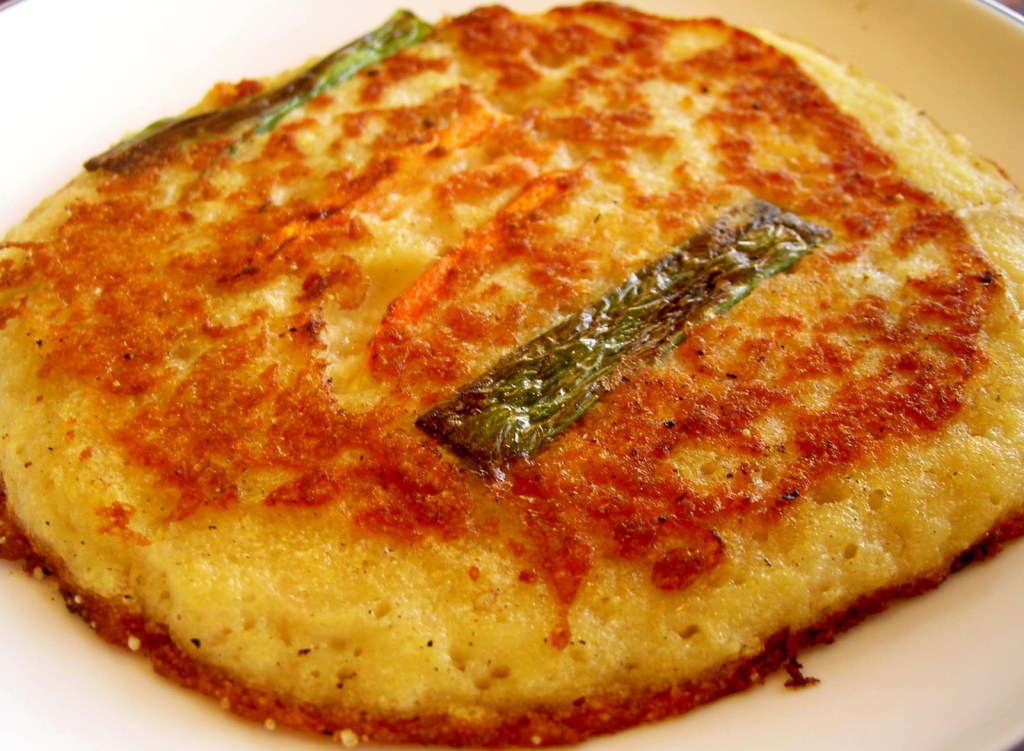
Bindaetteok — crispy mung-bean pancakes, makgeolli’s oldest partner. Photo: Tales of an LA Addict (Abby), CC BY-SA, via Openverse.
Koreans have been brewing rice wine since at least the Three Kingdoms period, over a thousand years ago. By the Goryeo and Joseon dynasties, rice wines like makgeolli were central to royal banquets, ancestral rites, and the rhythm of the seasons — a drink that touched every level of society, from farmers in the field to the royal court itself.
You can literally see it in the art. Joseon-era poems and genre paintings are full of people drinking makgeolli — it was, in every real sense, Korea’s national beverage. So when a twenty-something in a Seoul craft bar swirls a glass of chestnut makgeolli, they’re not chasing a fad. They’re drinking the same thing that fueled Joseon festivals and royal tables for centuries. That connection isn’t obvious walking into one of these design-forward bars for the first time. The bar is new. The bowl is ancient.
How makgeolli almost disappeared

Pajeon and makgeolli on a rainy day — a Korean reflex. Photo: 南宮博士, CC BY-SA 2.0, via Wikimedia Commons.
The comeback is sweeter because of how close makgeolli came to vanishing. During the Japanese occupation in the early twentieth century, home brewing was heavily restricted under colonial alcohol laws, and production was pushed into a licensed, taxed system. Overnight, the family recipes passed down for generations — every household’s slightly different makgeolli — were largely outlawed. A living tradition nearly went silent.
That’s what makes the craft revival feel like more than a trend. Young brewers digging up heirloom rice and old nuruk methods aren’t just making a drink; they’re stitching back a broken thread of Korean culture. And they’re doing it with a glass in one hand and a plate of sizzling pancakes in the other — because makgeolli has never traveled alone.
What to eat (and how to drink) with makgeolli
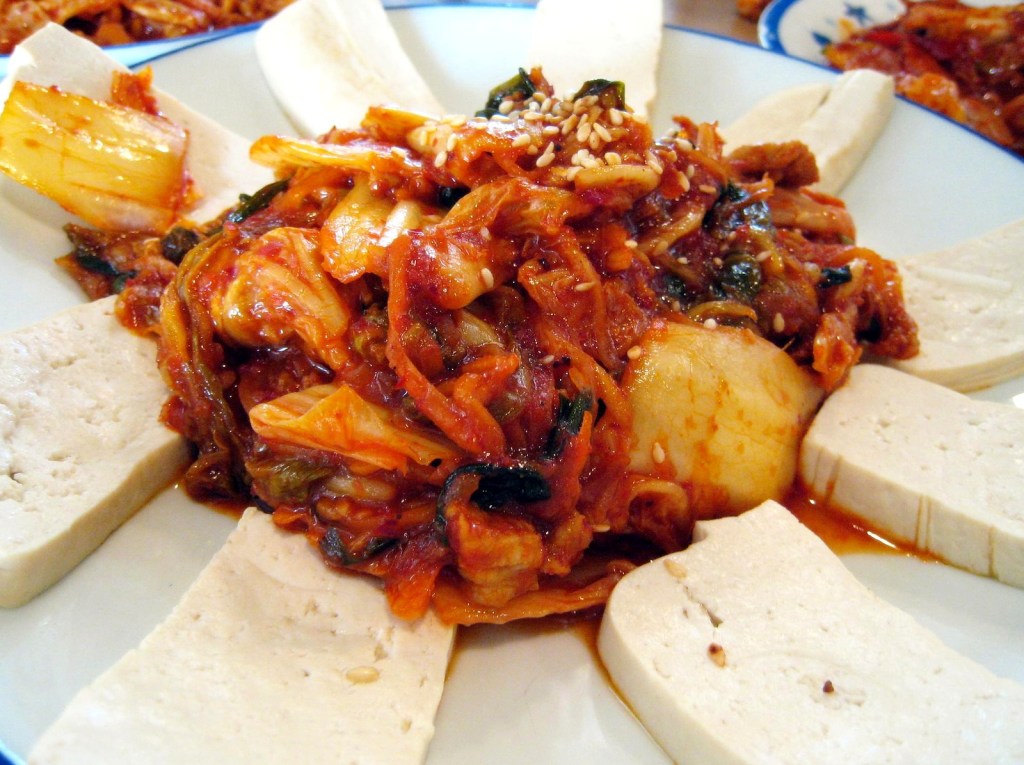
Dubu-kimchi — warm tofu with stir-fried kimchi, another makgeolli-table staple. Photo: benghan, CC BY-SA, via Openverse.
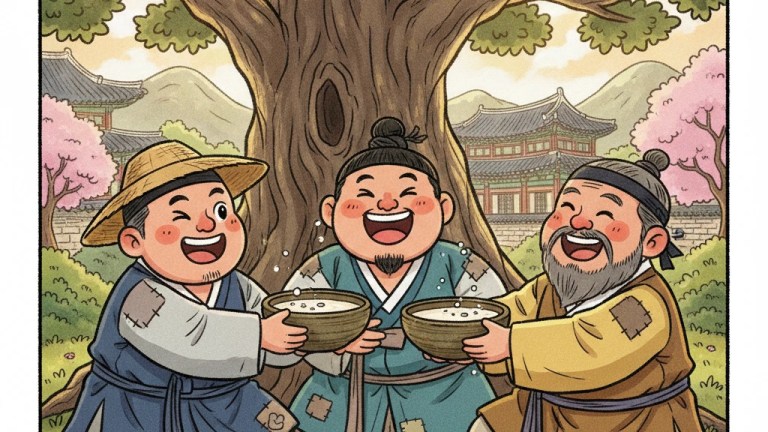
The original after-work drink, painted for centuries (playful illustration)..
Ready to try it like a local? Here’s the playbook:
- Stir before you pour. The good stuff settles — gently swirl the bottle so the cloudy sediment mixes back in.
- Drink it from a bowl. Traditionally makgeolli is served in a wide bowl, not a wine glass — pour for others, not yourself.
- Pair it with pajeon (파전). A crispy green-onion pancake is the classic match, almost sacred on a rainy day — Koreans half-joke that the sizzle of the frying batter sounds just like falling rain, which is why the craving hits the moment it pours.
- Or go bindaetteok and tofu kimchi. Mung-bean pancakes and warm tofu with stir-fried kimchi round out the perfect makgeolli table.
Questions people ask about makgeolli
What is makgeolli? A traditional Korean rice wine — cloudy, milky, slightly sweet and fizzy, and relatively low in alcohol. It’s made by fermenting rice with nuruk (a fermentation starter) and is one of Korea’s oldest drinks.
What does makgeolli taste like? Soft and slightly sweet, with a creamy body, a light natural fizz, and a tangy, almost yogurt-like finish. It’s much gentler and less bitter than beer, which is why first-timers tend to love it.
Is makgeolli a beer or a wine? Technically a rice wine — it’s brewed by fermenting rice rather than grapes or malted barley. Because it’s fizzy and low in alcohol, people sometimes loosely call it “Korean rice beer,” but “rice wine” is the accurate term.
How much alcohol is in makgeolli? Usually around 6% ABV — lighter than most wines and similar to a strong beer. That easy-drinking strength is a big part of its appeal (and a reason it’s easy to overdo).
Where can you buy makgeolli? In Korea it’s everywhere — convenience stores, supermarkets, and makgeolli bars. Abroad, look in Korean and Asian grocery stores or order it online; keep it cold and drink it fresh, since the best bottles are unpasteurized and still alive.
Why is makgeolli popular again? A craft makgeolli boom since the 2010s brought small-batch, heirloom-rice brews and stylish makgeolli bars, and younger Koreans embraced it as both a wellness drink and a piece of reclaimed heritage. Sales have jumped over 20% in recent years.
Is makgeolli good for you? It’s a live fermented drink containing lactic-acid bacteria, B vitamins, and amino acids. It’s still alcohol, so moderation matters, but its probiotic profile is part of its modern appeal.
What do you eat with makgeolli? Savory pancakes are the classic pairing — pajeon (green onion) and bindaetteok (mung bean) — along with tofu kimchi. The salty, crispy food balances makgeolli’s soft sweetness.
The oldest new drink in Korea
Makgeolli’s story is Korea in a bowl: ancient, nearly lost, and reborn cooler than ever. Next time you see a young crowd toasting with cloudy rice wine in a candle-lit Seoul bar, know that they’re raising a glass their ancestors would recognize instantly — right down to the pancake on the side.
Want the full spread that goes with it? Chase the pancakes and street snacks at Gwangjang Market, build a rainbow bowl at Jeonju’s bibimbap table, or warm up with a bowl of samgyetang.
Makgeolli’s origins in the Three Kingdoms era, its role in Goryeo and Joseon royal banquets and rites, and its depiction in Joseon poetry and painting are drawn from Korean culinary histories. The early-20th-century home-brewing ban under Japanese occupation and the 2010s craft revival (makgeolli bars, heirloom-rice brews, 20%+ sales growth) reflect reporting from the Michelin Guide, Korean media, and industry sources.