Rice bowls and noodles, from regional ingredients to the techniques and businesses behind them.
-
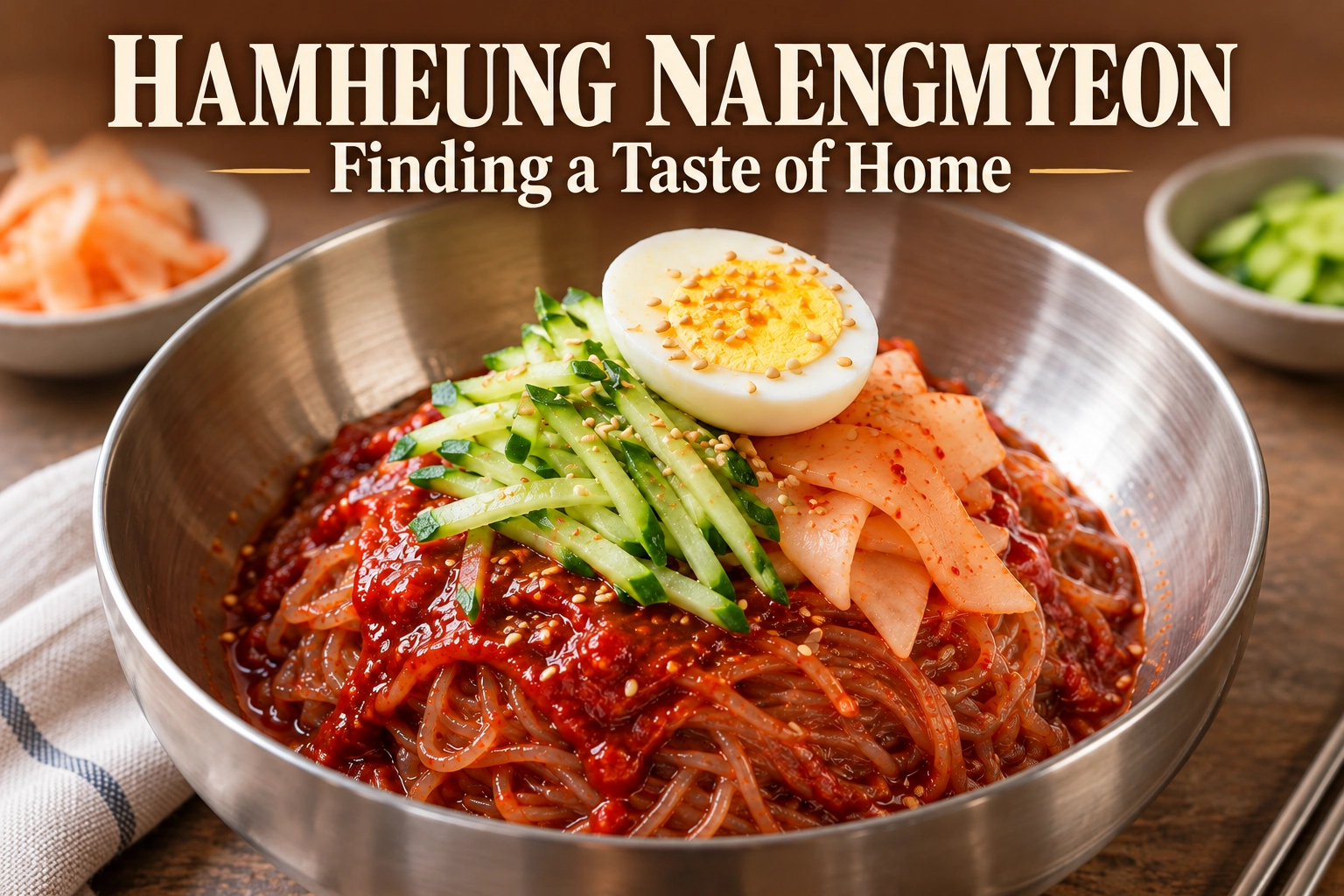
Ojang-dong Hamheung Naengmyeon: A Place to Find People From Home
Discover Ojang-dong Hamheung naengmyeon through refugee founders, women’s work, market communities and the northern memories that became everyday Seoul meals.
-

Korean Cold Noodles (Naengmyeon): Why Korea’s Icy Summer Dish Was Once a Winter Food
Compare naengmyeon by broth or mixed sauce, regional associations and noodle blends, with documented winter customs and practical seasoning advice.
-
Saengseon-guksu: Okcheon’s River-Fish Noodle Soup
The fish in saengseon-guksu may be hardest to recognize precisely when it is doing the most work. Cooked into the broth, it gives the bowl substance rather than appearing as one neat…
-
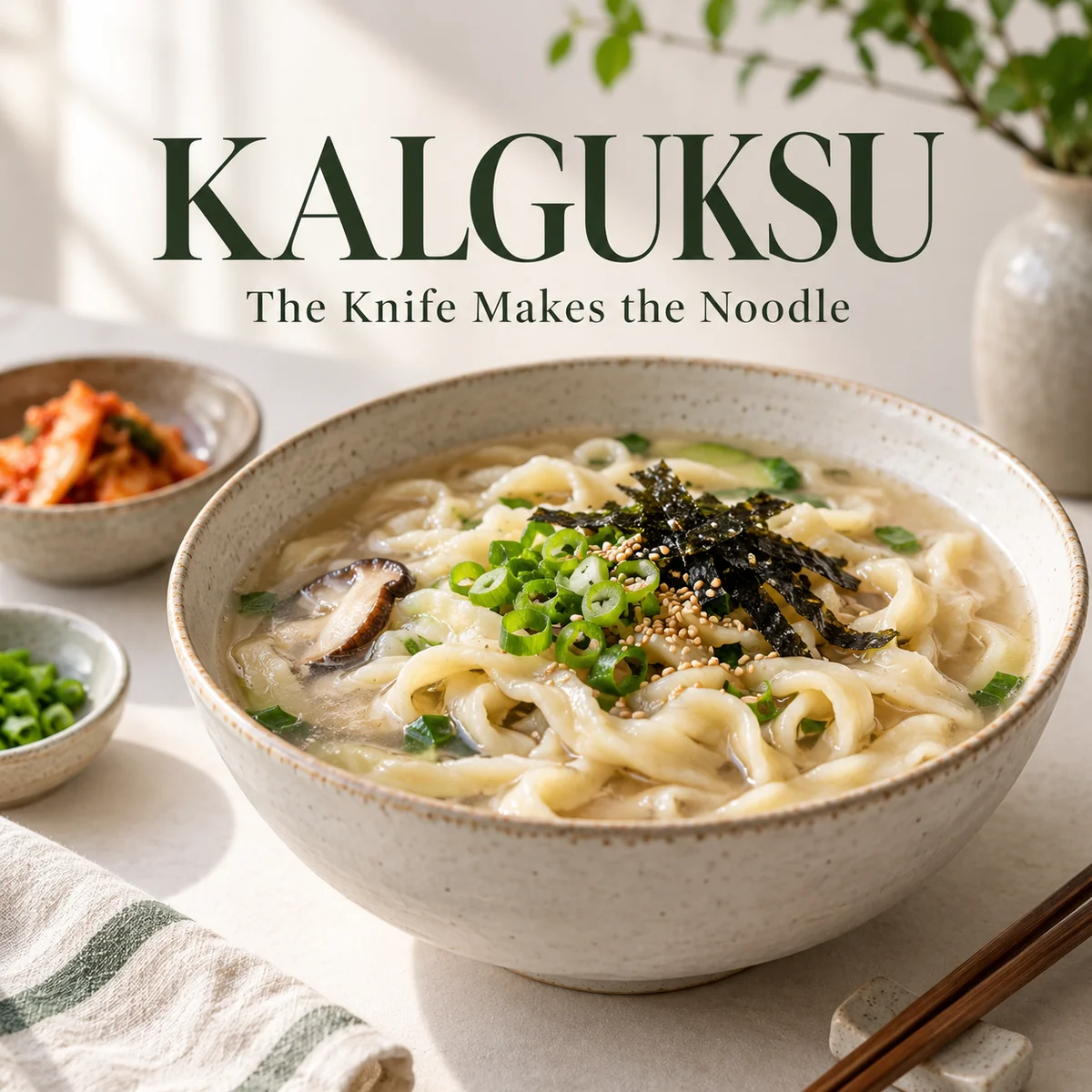
Kalguksu: Knife-Cut Noodles, Myeongdong and a Changing Bowl
A bowl of kalguksu can be chicken-rich, clam-scented or thickened with perilla. What connects those bowls is not one broth but a name built around cutting dough into noodles.
-
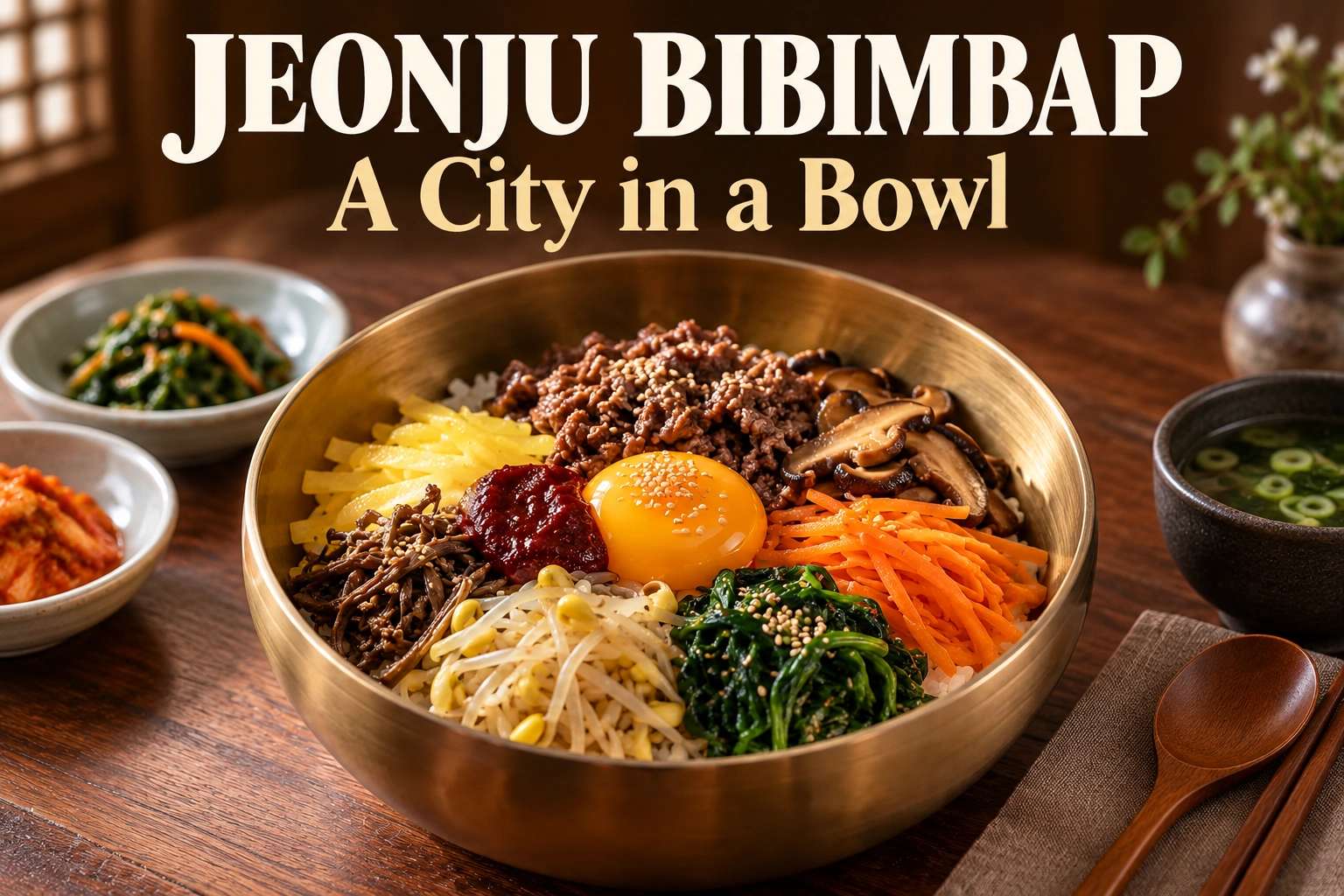
Jeonju Bibimbap: Ingredients, Written Records and a Regional Style
Explore bibimbap’s written records, Jeonju ingredients and restaurant style, and the difference between a regional bowl and a hot-stone serving.
-
Gondeure Namul Bap: How Jeongseon’s Mountain Greens Became a Regional Rice Classic
Gondeure namul bap is Jeongseon’s mountain-green rice, shaped by mountain ecology, preservation, rice cookery and market culture.