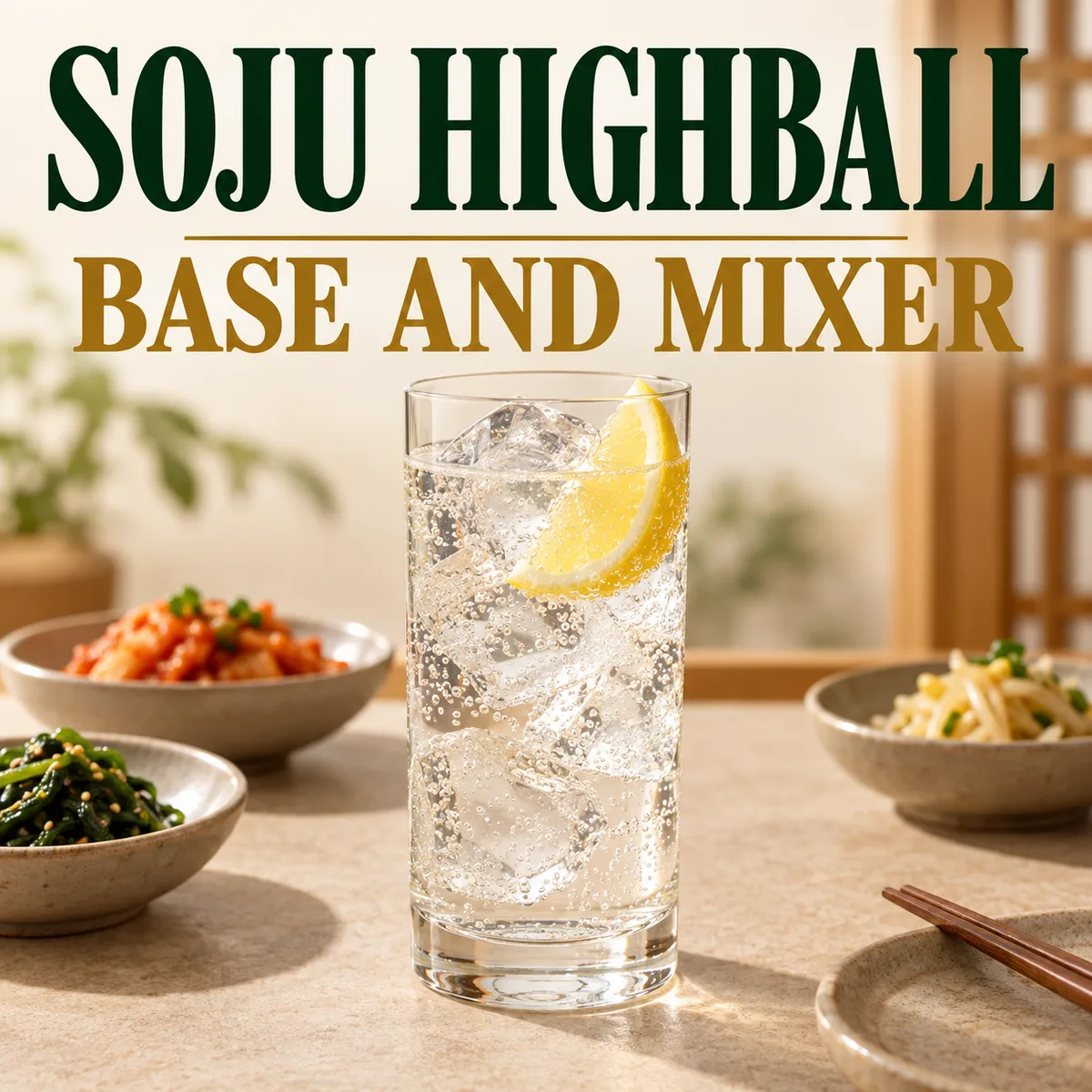
Ice, bubbles and a citrus garnish can make a soju highball look simple. Its flavor still depends on two specific choices: the soju and the mixer. A glass made with plain sparkling water differs from one made with sweetened soda, even before any fruit or syrup is added.
The celebrity news in the headline is documented, but its implied cause needs care. HiteJinro’s July 2, 2026 announcement names BTS member V as JINRO’s global ambassador and describes a brand-expansion strategy. It does not say that a particular highball recipe caused his appointment.[1]
A company campaign also does not establish the sales of every soju cocktail or a current ranking of drinks in bars worldwide. The useful culinary story is more concrete: how the base, mixer and actual quantities make different drinks beneath a similar garnish.
For adults who choose to drink, start with the named ingredients. Those who do not drink can enjoy the same Korean meal with water, tea or another suitable option. Neither the food nor a celebrity connection requires an alcoholic order.

A highball and somaek have different mixers
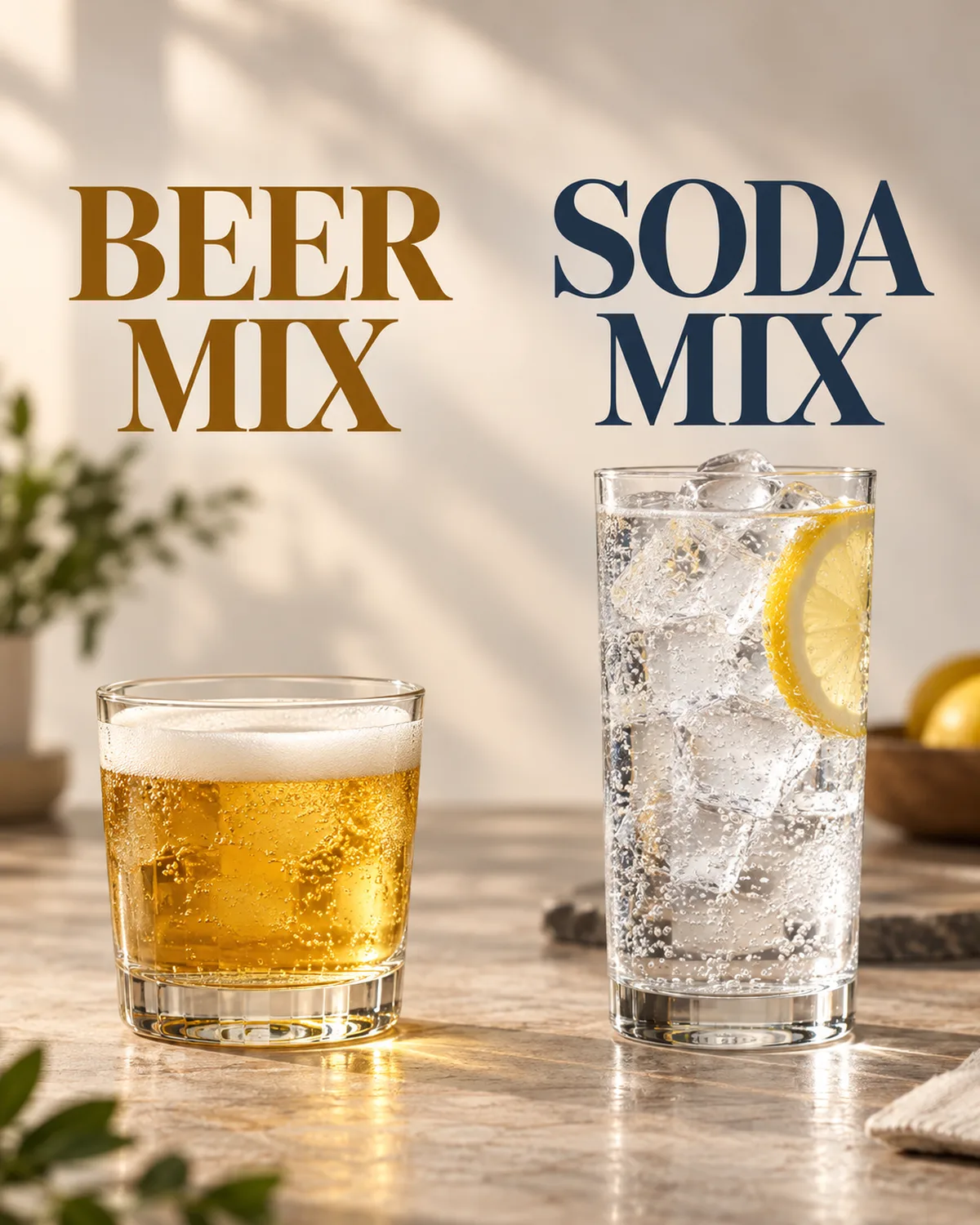
In ordinary menu language, a soju highball uses soju with a mixer in a tall drink format. Somaek combines soju and maekju, or beer. Beer therefore changes both the taste and, unless the product is alcohol-free, the amount of alcohol contributed by the mixer.
Plain soda water adds bubbles without the sweetness of a flavored soft drink. Tonic has its own taste and formulation. Citrus juice and syrups are further additions. A menu that merely says refreshing does not tell you which of those ingredients is in the glass.
A beer-and-soju mixture should not be treated as a highball with an interchangeable garnish. Beer brings a different flavor structure. That distinction remains useful even when both drinks arrive cold in similar-looking glasses.
Ask what the venue actually combines before comparing two orders. The base product and mixer give a better starting point than the photograph’s color, glass shape or amount of foam. There is no single mandatory proportion hidden in either name.
Identify the particular bottle
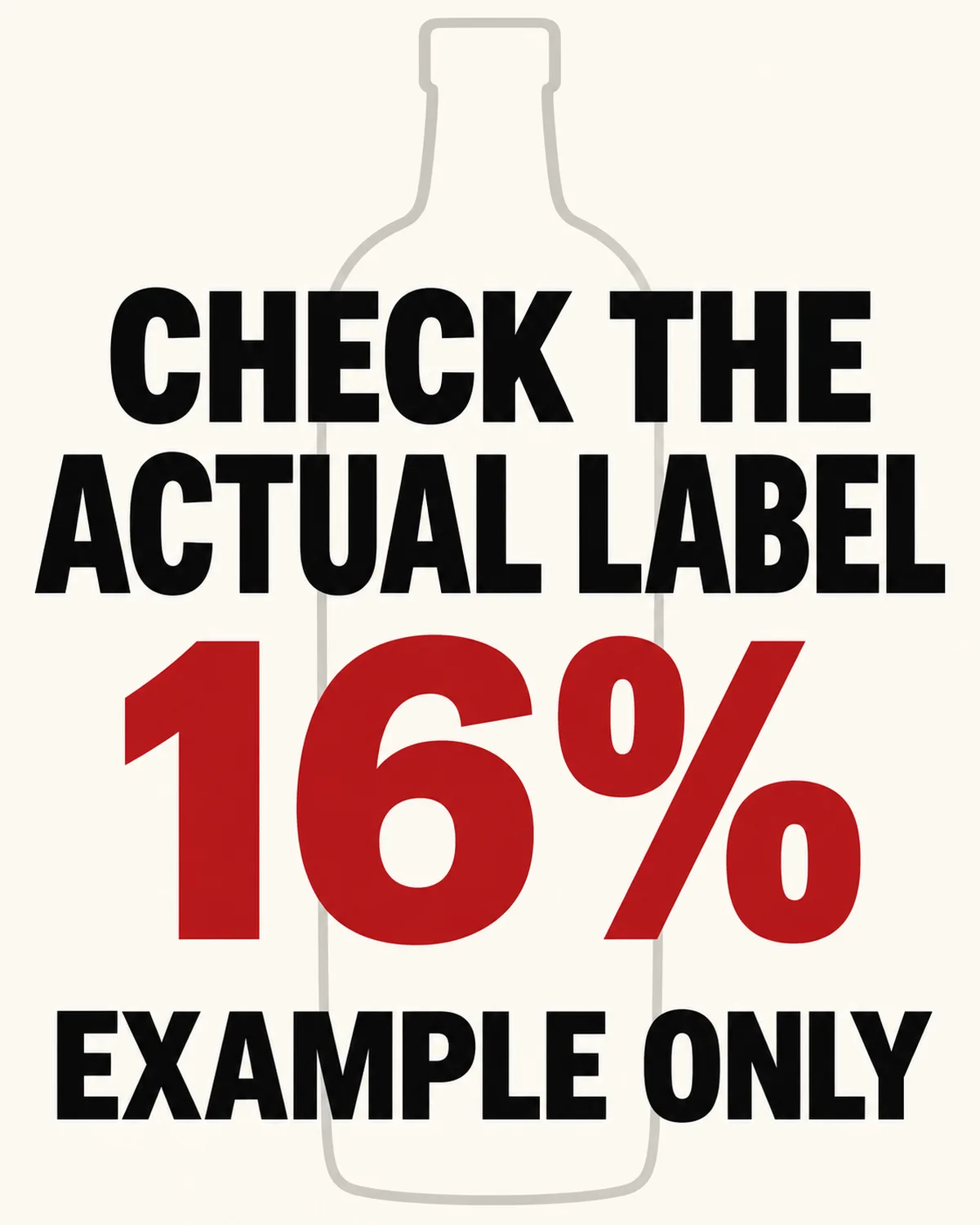
JINRO’s product page lists Chamisul Fresh at 16 percent alcohol by volume. That is a concrete product example, not a fixed strength for everything called soju. The label on the bottle served in the actual market remains the appropriate reference.[2]
A remembered brand name is not enough to identify a flavored version, a different line or a product sold in another market. Read the precise item rather than carrying a familiar number from an old menu into a new calculation.
A premixed can is another product again. Its label describes the finished contents of that can; it should not automatically be assigned the recipe of a restaurant highball. The word soju on both packages supplies a connection, not identical quantities.
This is useful menu reading rather than expert tasting. Identify the base, find its listed strength and ask about the pour when that information is available. A decorative bottle in a promotional photograph cannot establish what went into a particular order.
Dilution changes concentration
Consider an arithmetic example, not a recommended recipe: 45 milliliters of a 16-percent spirit contains 7.2 milliliters of pure alcohol. With 135 milliliters of an alcohol-free mixer, the combined 180 milliliters has an approximate concentration of 4 percent before ice melt.
Adding more alcohol-free liquid lowers that concentration, but the original 7.2 milliliters remains in the glass. The alcohol is spread through a larger volume. A longer drink therefore does not by itself mean a smaller amount of alcohol has been poured.
For a second hypothetical example, 30 milliliters of 16-percent soju contributes 4.8 milliliters of alcohol. Adding 120 milliliters of 5-percent beer contributes another 6. The resulting 150 milliliters contains 10.8 milliliters of alcohol, approximately 7.2 percent before other additions.
Real products, quantities and ice vary. These examples explain why the mixer must be included in the calculation; they do not define a safe serving or prove that one menu category is always weaker than another.

Compare flavors alongside the food
A grilled meat plate, a small fried snack and a delicate soup create different tasting contexts. Sweetness, acidity and bubbles can change what stands out between bites. Those are observations about flavor, not evidence that a particular food makes drinking safe.
A citrus-heavy mixer may become the dominant aroma. A plain sparkling mixer leaves less added sweetness in the comparison. If the venue offers variations, notice the actual mixer before attributing every difference to the soju itself.
Shared food does not require shared drinks. People at one table can order water, tea or different beverages while eating from the same dishes. A pairing is an option that follows personal preference, rather than a test of whether somebody is eating correctly.
A non-alcoholic option also needs its own ingredient description. A drink with less soju and a drink with no alcohol are different choices. Ask about the actual product when the distinction matters instead of relying on the same fruit name or glass.

Keep campaign claims in their proper scope
The ambassador announcement establishes a commercial relationship with JINRO. It does not identify V’s private drinking habits, his preferred cocktail proportion or the experience of every consumer. A brand story can explain publicity without becoming a personal food diary.
Likewise, a marketing phrase about a light taste is not a measurement of alcohol exposure. WHO states that alcohol consumption carries risks even at low levels. A smooth flavor, cold temperature or attractive garnish does not turn the drink into a health benefit.[3]
Read the next menu through the actual base, mixer and quantities. For somaek, account for the beer too. For a premixed product, use that product’s information. Keep the arithmetic separate from an assumption that a fashionable format must be mild.
That leaves room to appreciate the culinary differences clearly: a sweet mixer, plain bubbles, citrus aroma or beer each gives the glass another character. The Korean foods alongside remain worth enjoying whether the table chooses a cocktail or an alcohol-free drink.
