
A banquet begins long before a platter reaches the table. Ingredients must arrive, cooks must prepare them, dishes need somewhere to wait, and servers must know who receives what. That work is easy to overlook when a historical drama concentrates on the king taking a bite.
For Yeonsangun, Joseon’s tenth ruler, the surviving chronicle offers a more specific food story than an imagined nightly feast. Its dated entries show supplies, temporary structures, performers and gifts being organized through royal authority.[6]
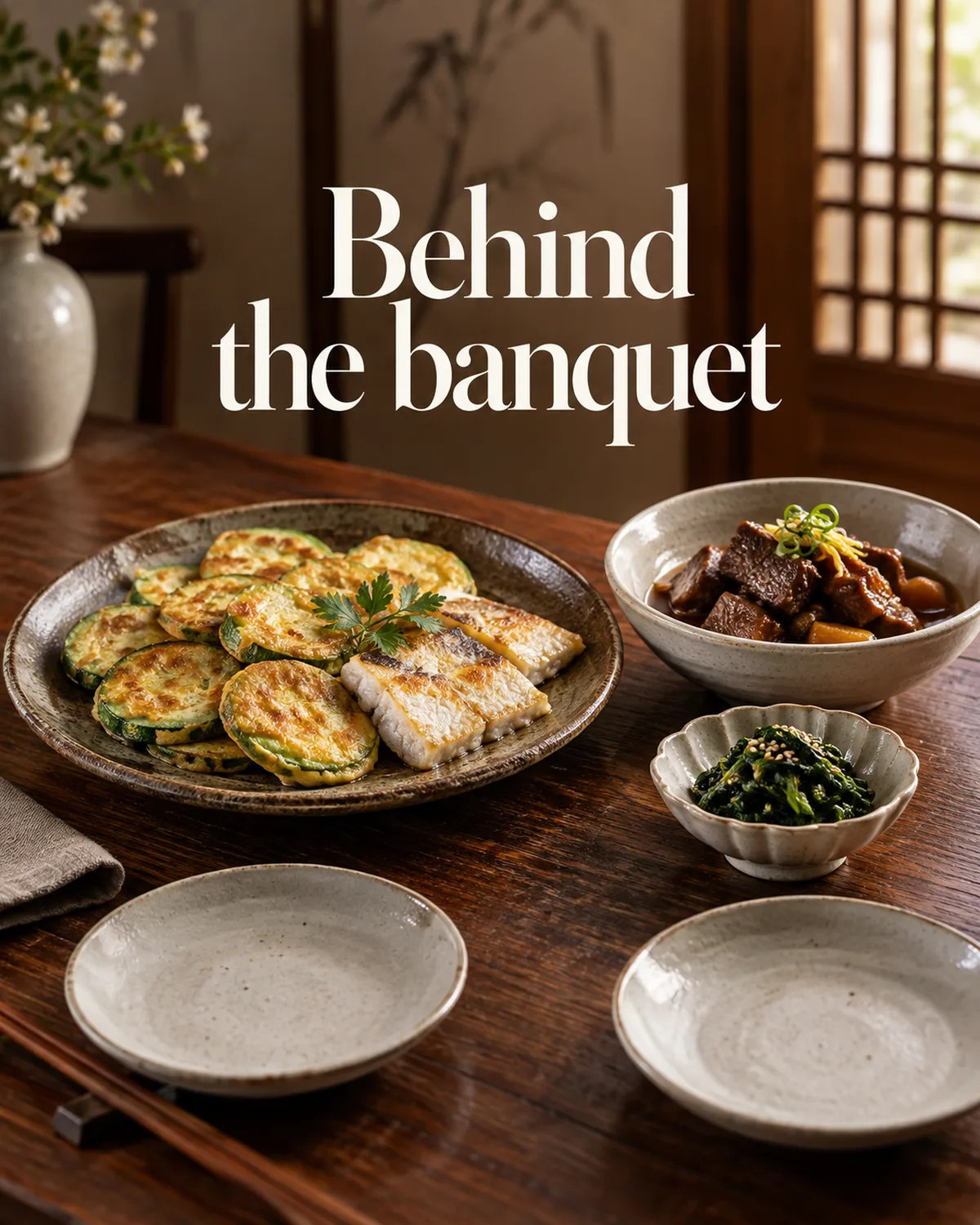
Look behind the modern celebration table
At a Korean celebratory meal today, try noticing service as well as abundance. A plate of jeon asks for timely cooking; a braised dish can be portioned differently; a small sweet arrives with another set of utensils. These contemporary examples help you see the work without claiming to reproduce Yeonsangun’s menu.
Ask which dishes are shared and which are individually served. A centerpiece may be intended for several people, while a rice bowl or cup belongs to one guest. Understanding that distinction makes a large arrangement easier to eat comfortably.
If dishes arrive in stages, notice what changes: temperature, serving vessels, portion size or the need for a fresh plate. Those are features of the meal you are actually receiving, not evidence that a sixteenth-century banquet followed the same sequence.
A restaurant’s royal-style presentation can be enjoyable on its own terms. Ask what period or occasion informs it, then judge the food by its cooking. A familiar hot pot or decorative platter should not automatically become proof of one king’s exact supper.

A birthday banquet activated a supply network
On day 25 of the sixth lunar month in 1504, the chronicle records a birthday banquet for the queen dowager at Changgyeong Palace. Relatives and officials were fed, and gifts were distributed.[1]
It describes temporary covered structures erected with work hurried day and night, then dismantled after the banquet. Supplies were pressed in from the provinces and arrived within about ten days. Large copper-alloy ice trays were cast for the summer heat.[1]
The same entry describes people rushing provisions because they feared the king’s severity. Its account makes the burden of preparation visible alongside the celebration.[1]
The dishes are only one part of that event. Transport, shelter, metalwork and cooling had to converge on a deadline. The record gives unusually concrete preparation details while leaving the complete menu unstated.

Music and feeding belonged to the same event
A 1505 order, dated day 27 of the first lunar month, called for one thousand Gwanghuiak performers to be assembled for a forthcoming banquet. If Unpyeongak had not reached one thousand, five hundred were to be supplied in time.[3]
Those figures are targets in an order. They should not be converted into a count of people simultaneously dancing around the king’s dinner table, or a total for every event in his reign.
A separate entry for day 5 of the ninth lunar month in 1505 describes a banquet at Injeongjeon involving government offices and royal relatives. It also records an elders’ banquet and cloth granted to 260 Unpyeongak and Gwanghuiak performers.[4]
Read together, the entries show how hospitality, rank and performance met in court events. The cloth is a recorded distribution, not an ingredient cost or a modern restaurant wage. Keeping the categories distinct makes the scale easier to understand.
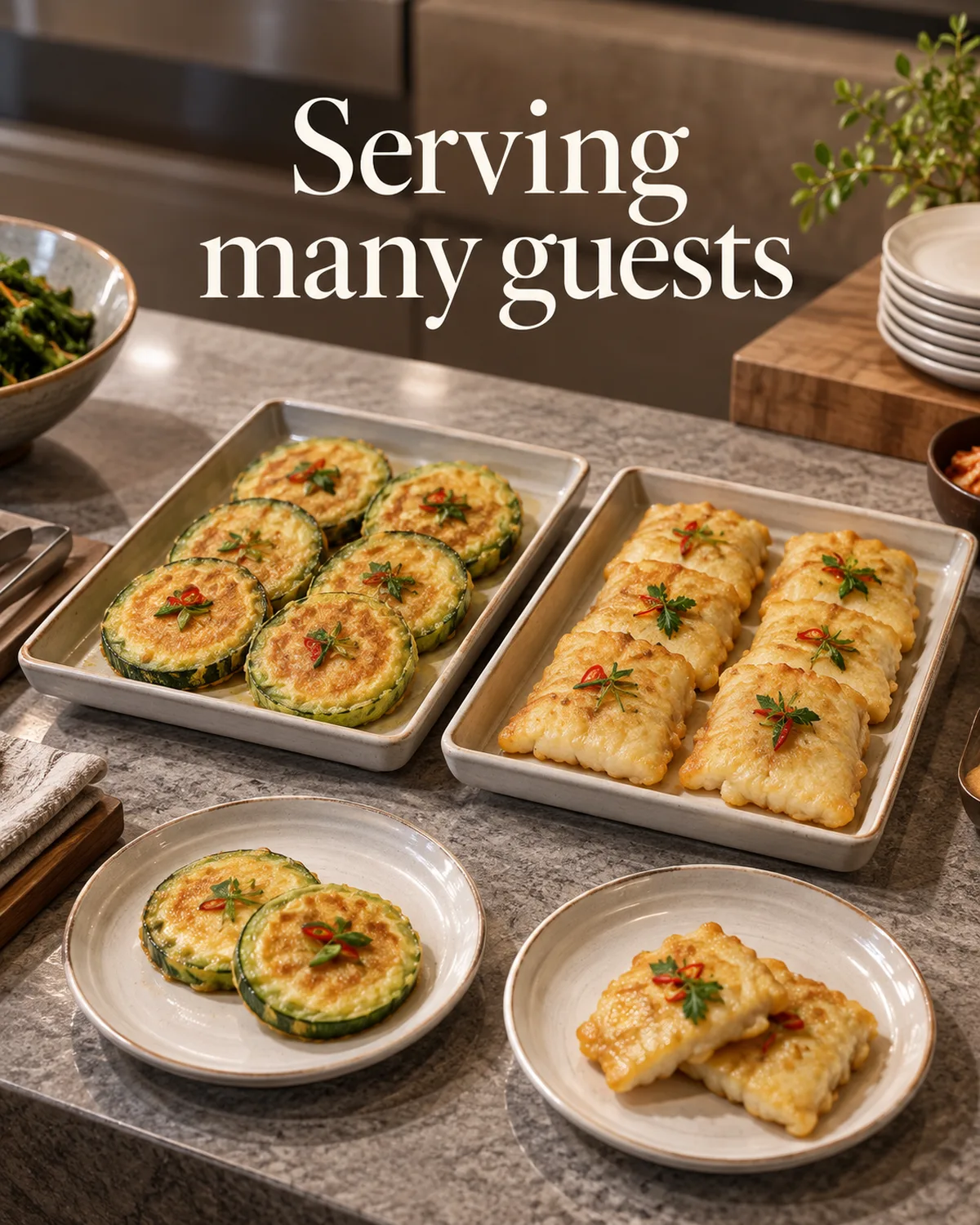
The venue was part of the expenditure
On day 14 of the fourth lunar month in 1505, Yeonsangun ordered a coming Dano banquet held at the old Myeongnyundang. The instructions included removing east and west walls, repainting, applying paper dragons to columns and altering adjoining structures.[2]
This is more precise than describing an academy as a generic palace playground. The entry names a venue and specific changes for an approaching event. The rebuilding itself consumed effort before any food could be served.
A banquet therefore occupied space as well as a kitchen. Seating, shelter and performance areas were part of its material requirements. The visual impression of abundance depended on work happening outside the finished table.
For a visitor at a historic site, distinguish the surviving building, later restoration and the dated event being explained. An atmospheric room can help you imagine scale; it cannot supply the missing menu or verify a television set.
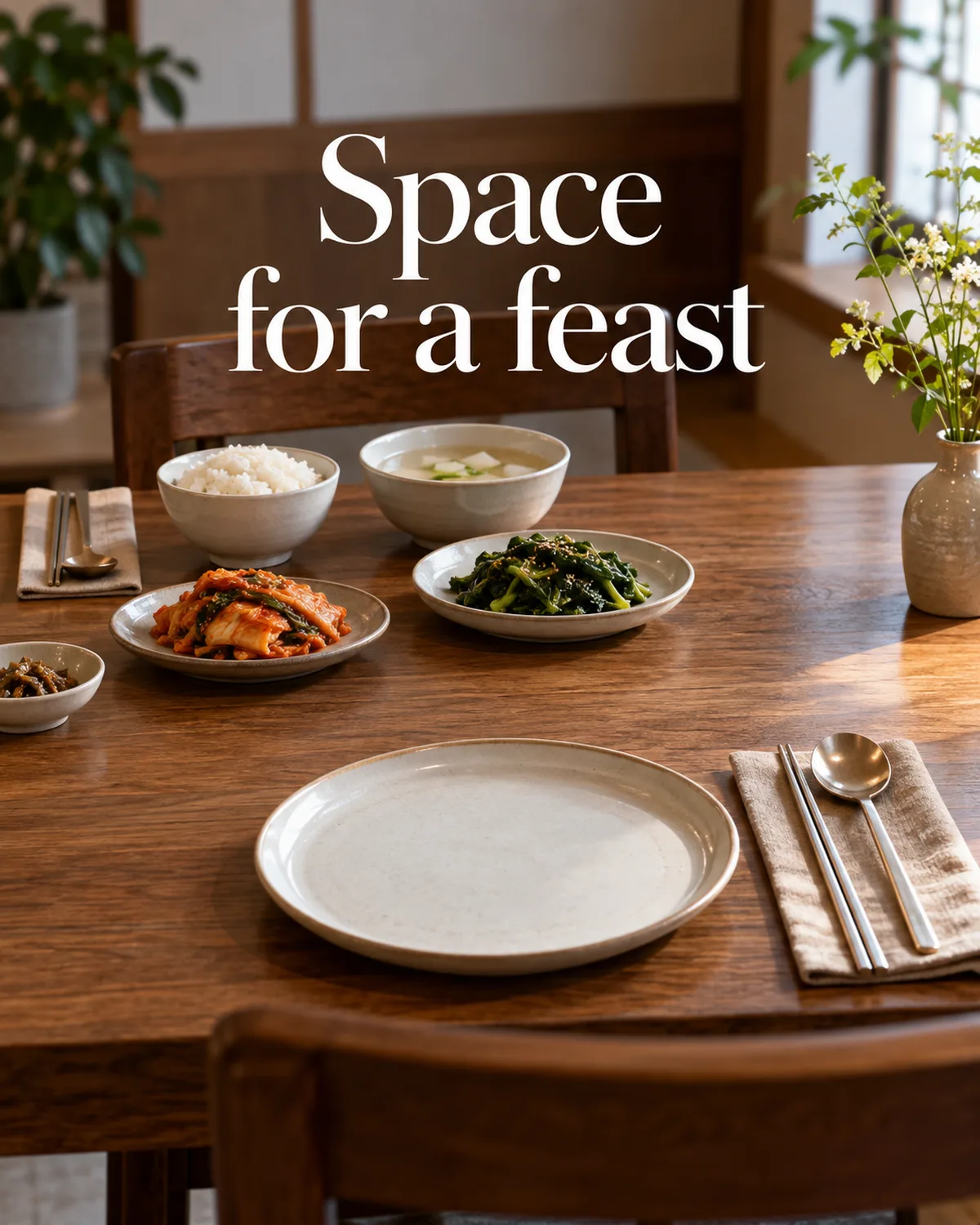
Food also traveled outward as a royal gift
An entry for day 24 of the fifth lunar month in 1506 records Yeonsangun holding a banquet for the queen dowager at Gyeongbok Palace. He ordered food sent to named officials and court personnel, with drink and music bestowed as well.[5]
Here the useful action is distribution. The celebration extended beyond the king’s own place setting, reaching recipients identified in the record. Food formed part of a relationship between the throne and the people it recognized.

That changes how the banquet can be pictured. A single overcrowded table is a poor substitute for several documented actions: hosting, feeding other groups, granting cloth and sending food. They belong to related events, but they are not one interchangeable scene.
At a modern gathering, the distinction remains useful in a much smaller way. Notice what is served at the table and what is packed to take away. These are different ways food reaches guests; neither needs a royal origin claim to be worth observing.
Read the chronicle with its history in view
The Academy of Korean Studies says compilation of Yeonsangun Ilgi began in November 1506, after the ruler’s death and deposition, and was completed in September 1509. Despite its “ilgi” title, its content and format belong to the wider annals tradition.[6]
The entry discusses difficulties preserving records under Yeonsangun and the political conditions surrounding compilation. That context calls for careful reading, not dismissal of every dated order or uncritical repetition of every dramatic summary.[6]
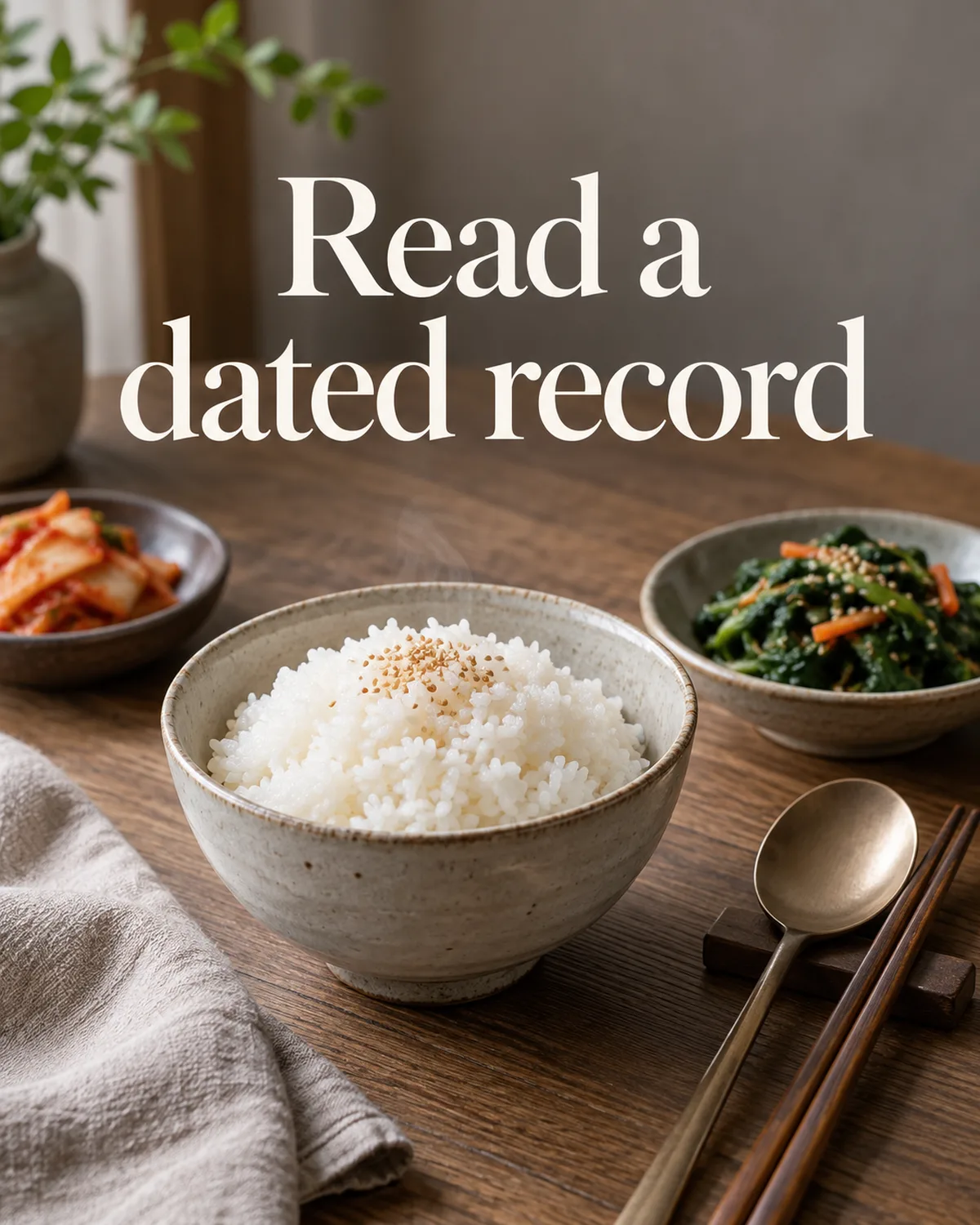
Keep an order, its reported implementation and a later interpretation distinct. The lunar dates used here identify separate entries; they have not been silently treated as equivalent Gregorian month-and-day dates.
The strongest food history is in the work those records reveal. Enjoy the cooking at a present-day feast, then look beyond the platter: who supplied it, who served it, who received it and what occasion brought them together? Those questions make a banquet more interesting than a list of imagined royal favorites.
Other scales of royal food history
Sources and reading
- National Institute of Korean History — Yeonsangun 10, lunar sixth month, day 25 (1504)
- National Institute of Korean History — Yeonsangun 11, lunar fourth month, day 14 (1505)
- National Institute of Korean History — Yeonsangun 11, lunar first month, day 27 (1505)
- National Institute of Korean History — Yeonsangun 11, lunar ninth month, day 5 (1505)
- National Institute of Korean History — Yeonsangun 12, lunar fifth month, day 24 (1506)
- 한국민족문화대백과사전 — 연산군일기 (Yeonsangun Ilgi)