
The crescent shape can distract from the most revealing part of salt bread: its underside. Melted butter, dough and the baking surface create a contrast that a photograph of the top may not show.
Its Korean popularity is a story of adoption and reinterpretation, not evidence that the bread first originated in Korea. A plain roll is a useful starting point because it makes the structure easier to taste.
A Japanese starting point and a Korean bakery life
A 2019 interview in Yonden’s regional magazine follows Pain Maison owner Hirata Mitoshi’s trials in Yawatahama, Ehime. He was looking for a bread customers would want in summer. The account describes trials around 2003, followed by commercialization the next year, using bread dough wrapped around butter and finished with salt.
The interview also names fish-market workers and students as early tasters. Hirata tried salts that would leave visible grains after baking; baking more rolls together then let melted butter collect on the tray and crisp their undersides. It is a shop’s documented development story, rather than a date to assign to every butter-and-salt bread.
That account connects the name to something you can taste: the salt on top and the butter-browned bottom. Korean bakeries later gave the format new recipes and retail settings, but Seongsu’s popularity does not make the neighborhood the bread’s birthplace.

Once salt bread entered Korean bakery culture, it encountered a market already comfortable with rapid pastry cycles. Korean cafes routinely rotate signature croissants, bagels, cream breads, twisted doughnuts, cakes and limited seasonal products. A visually simple roll that could be served warm, photographed easily and compared shop by shop fit naturally into that system.
The category also leaves room for variation without losing its identity. One bakery emphasizes a blistered thin shell. Another pushes a chewy crumb. Some use a very crisp butter-fried base, others a softer bottom. Shops vary the salt crystal size, dough sweetness, butter quantity, fermentation, shape and fillings.
This is localization without requiring a dramatic flavor change. Korean bakeries can make the bread feel distinctive through texture, bake timing, presentation and retail experience rather than covering it with an entirely new sauce.
The difference from a croissant is in the dough
One of the most persistent descriptions of sogeum-ppang is that it is “croissant-like.” The comparison helps a first-time eater imagine butter and a curved shape, but it becomes technically misleading when people claim the dough must be repeatedly laminated like a croissant.
A classic croissant creates many alternating sheets of dough and butter through repeated folding and rolling. Many salt-bread formulas instead use a yeasted bread dough rolled around a distinct piece or strip of butter. The butter melts during baking, leaving a cavity, soaking parts of the crumb and pooling against the hot tray.
This is why two breads that look vaguely related can behave differently. A croissant depends on laminated layers separating through steam. Salt bread can achieve its signature contrast with a softer bread crumb and a concentrated butter pocket. The category is broad, so individual Korean bakeries may hybridize techniques, but lamination is not the universal definition.

The crisp bottom and the hollow inside
The top gets the photograph because the coarse salt is visible. The bottom often explains the obsession better.
As the butter enclosed in the dough melts, some of it escapes and collects where the roll meets the baking surface. The base is therefore exposed to hot fat as well as dry oven heat. That encourages stronger browning and a crisp, almost shallow-fried texture. Meanwhile, steam from the butter and dough can create the characteristic hollow pocket inside.
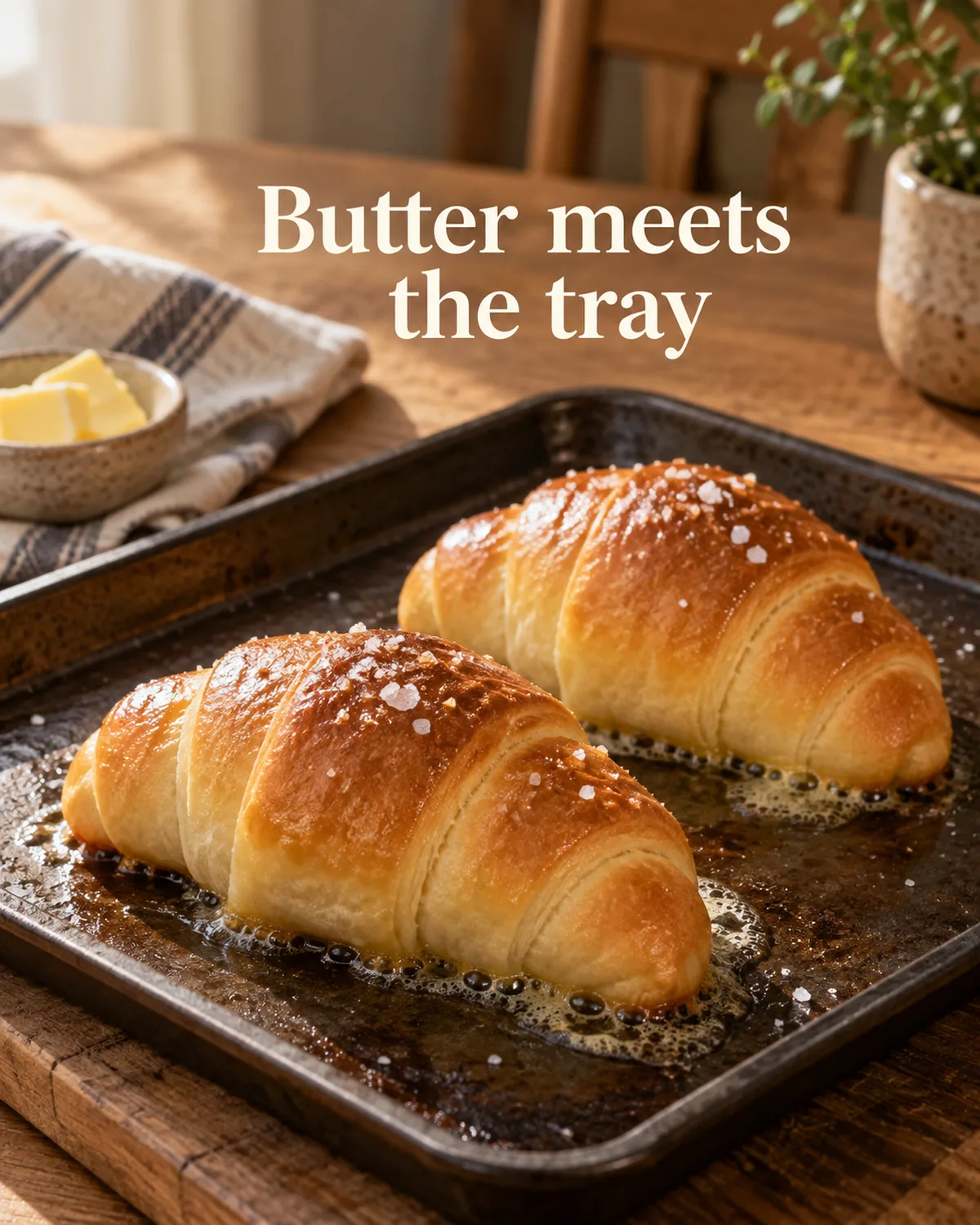
A good salt bread gives you several textures in a bite: a thin browned exterior, a soft or slightly chewy interior, a buttery cavity and a deeply crisp base. The salt crystal then arrives as a high-intensity accent. What looks like a plain roll is really a controlled contrast machine.

Salt does not merely make the bread salty. It changes how the butter is perceived. A small amount on the surface can make dairy richness taste more vivid and can sharpen whatever mild sweetness is present in the dough.
The placement matters too. Salt dissolved evenly through dough produces a different sensation from a few coarse crystals on the surface. Large crystals create short bursts of salinity, so the baker can keep the overall bread balanced while still delivering an unmistakable “salt bread” moment.
This is also why “more salt” is not automatically better. If every bite is aggressively salty, the contrast disappears. The goal is usually butter-first richness punctuated by salinity, not the flavor profile of a salted snack cracker.
What changes as the roll cools
Salt bread is unusually sensitive to the moment between oven and mouth. The crisp base is strongest before trapped steam and ambient humidity soften it. Warm butter is aromatic and fluid; as the bread cools, butter firms and the crumb changes. The interior may still be pleasant hours later, but the textural contrast narrows.
Visit Seoul’s listing, updated in August 2026, describes Jayeondo Salt Bread in Seongsu as a takeout specialist with several daily bakes and frequent waits. Bake times and queues can change; the useful culinary point is that batch timing is part of the product.
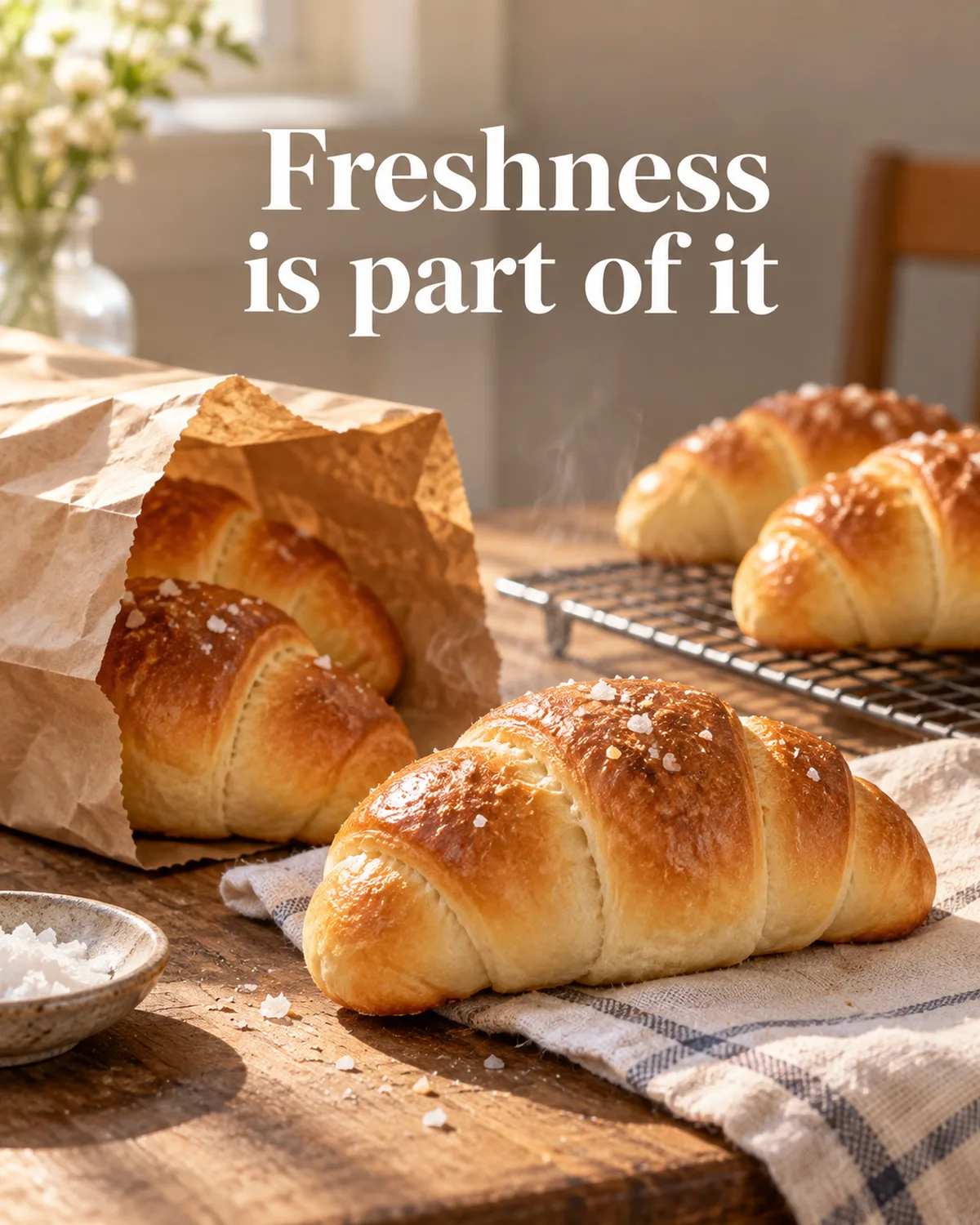
A line at a salt-bread shop therefore contains two different signals. It can be social proof—people want what other people want—but it can also be a freshness queue, clustering customers around the next oven release.
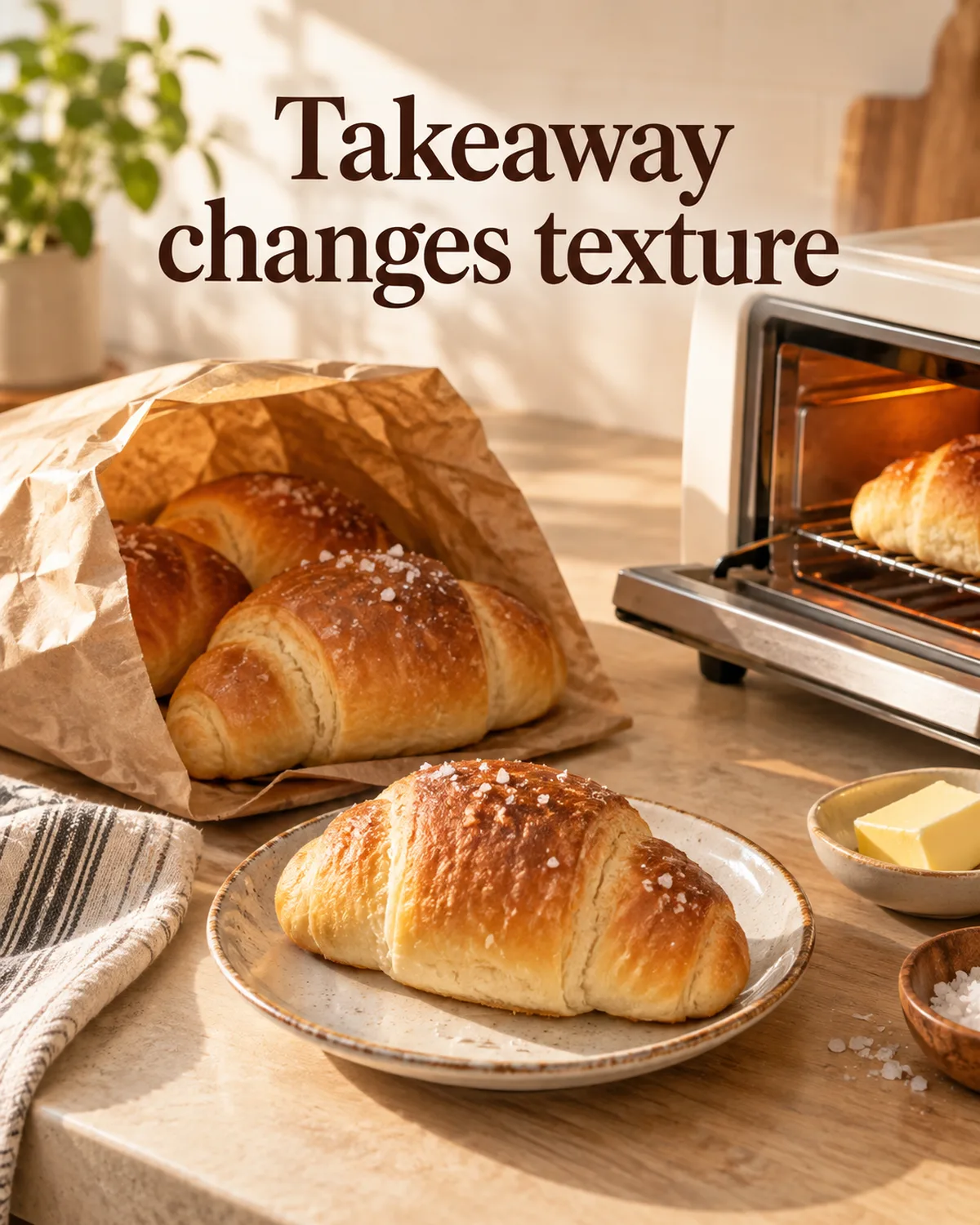
A bread optimized for immediate consumption can push the buttery bottom to an extreme because the customer eats it while hot. A bread designed for takeaway may need a slightly sturdier crust and crumb so it survives a train ride or several hours in a bag.
This creates a hidden trade-off in online recommendations. A reviewer who eats a roll thirty seconds after baking and a traveler who eats the same roll at a hotel two hours later are not experiencing the same texture.
If a shop is famous for timed batches, that is a clue to eat at least one piece soon after purchase. Save the second roll for later only if you want to learn how the product changes.
Once salt bread cools, a short dry reheat can help the crust and base become crisp again. A microwave alone tends to emphasize softness because it heats water quickly and can make the crumb steamy.
An oven or toaster is better suited to restoring surface dryness, but excessive heat can melt out more fat and overbrown the already crisp base. If the bread contains cream, cheese or another filling, reheating rules change again.
The practical lesson is modest: plain salt bread is best treated like a butter-rich roll whose defining asset is fresh texture. Buy only as many as you can enjoy well, rather than assuming a large viral haul will taste identical tomorrow.
Why Seongsu is a good setting for a small bread trend
Salt bread could have become popular in any Seoul district. Seongsu gives it something extra: a neighborhood built around the expectation that visitors will discover a new shop, pop-up or product.
Seoul Metropolitan Government describes Seongsu as a former factory-and-warehouse district that changed through urban regeneration in the 2010s as arts, culture and cafes occupied old industrial spaces. Visit Seoul’s current Yeonmujang-gil guide still presents the area as a place where traces of shoe factories mix with cafes, galleries, boutiques and brand pop-ups.
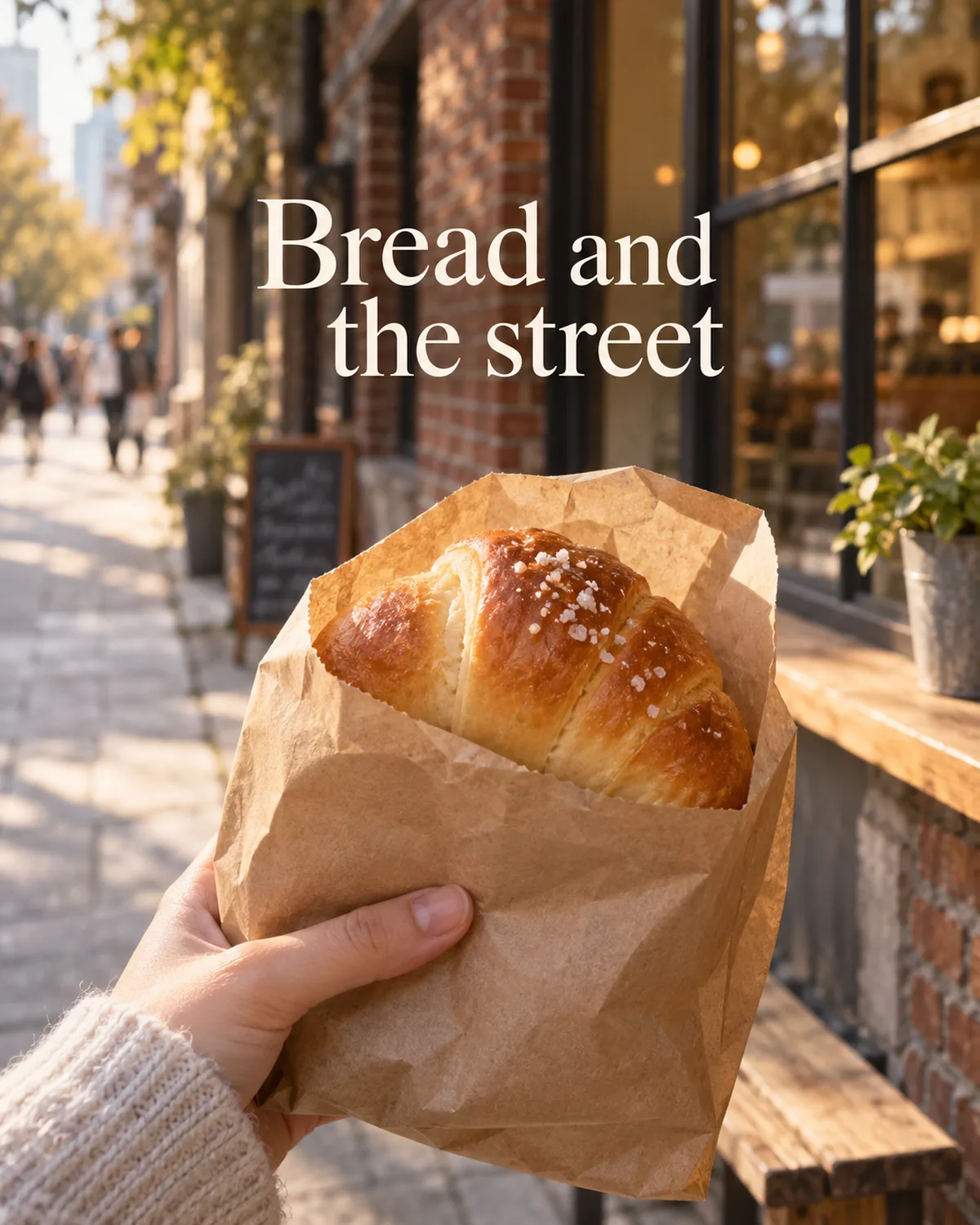
That urban form is unusually compatible with trend food. People arrive intending to walk. They expect to stop repeatedly. A small bread that can be carried in a paper bag requires little commitment compared with a full restaurant meal. The product and the neighborhood reinforce each other.
A conventional neighborhood bakery needs a wide assortment because customers arrive with different needs. A destination bakery can invert that logic. If people travel specifically for one product, specialization becomes part of the attraction.
A takeout specialist selling repeated batches of one signature roll offers a different encounter from an assorted neighborhood bakery. The customer is comparing fresh versions of a known product, rather than choosing from a broad bread cabinet.
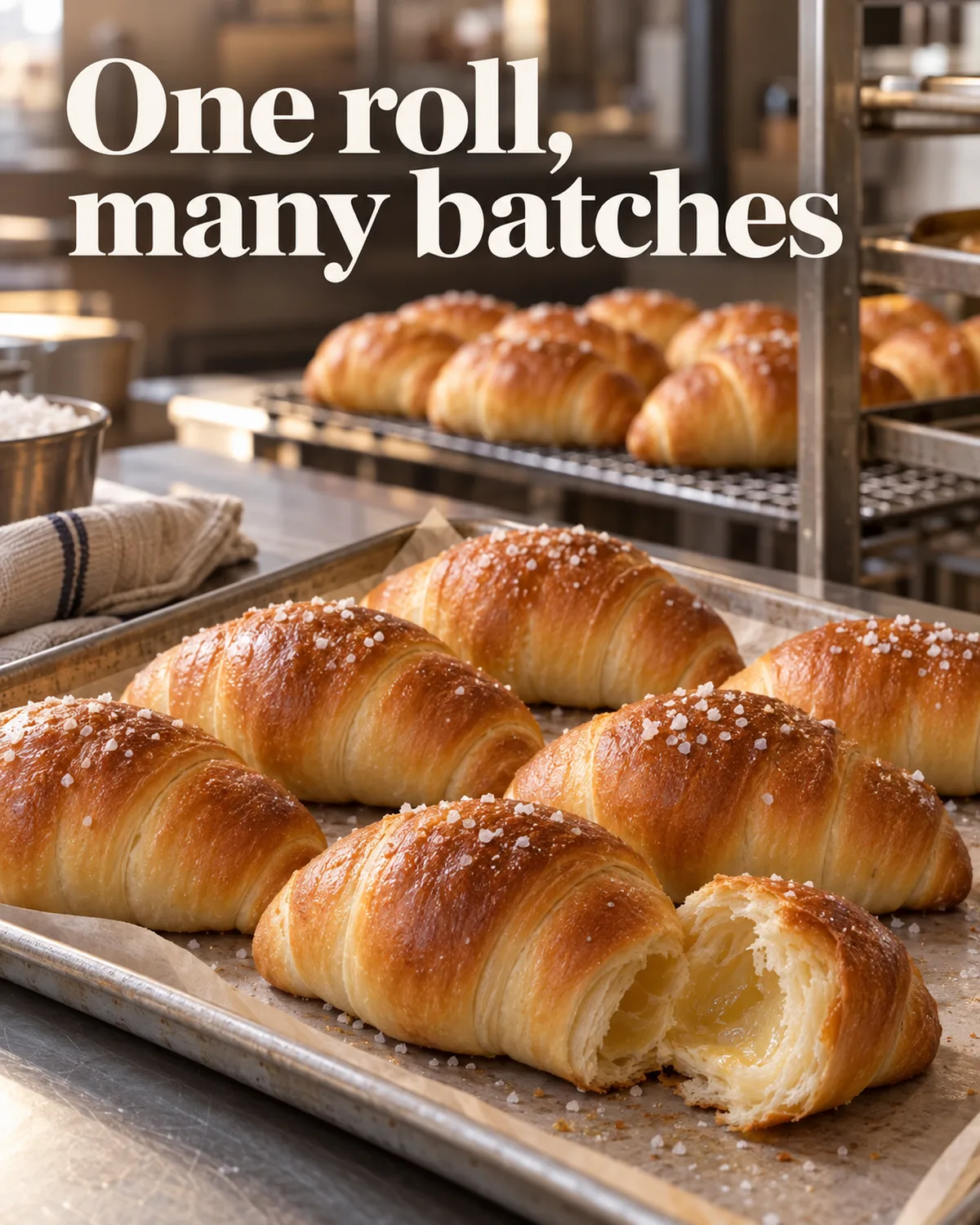
Specialization also simplifies comparison. Visitors do not ask which of forty breads is the signature. The question becomes “Is this salt bread worth the queue?” That clarity is extremely useful in a social-media environment, where one item must communicate the shop in a few seconds.
Salt bread also benefits from Korea’s dense cafe ecosystem. A small salty-buttery bread pairs naturally with coffee, and cafes already provide the seating, takeaway cups and weekend leisure routines that turn a baked item into an outing.
For a visitor, the bread can be one stop within a day of walking, coffee and shops. That is an interpretation of how a portable product fits the district, rather than a claim about why every customer came.
Plain first, then fillings
A more useful tasting framework has five variables:
- Base: Is the bottom deeply crisp from butter contact, or mostly soft?
- Crumb: Is the interior fluffy, chewy, layered or dense?
- Butter pocket: Does the cavity feel aromatic and rich without becoming greasy?
- Salt placement: Do crystals create occasional sharp accents or blanket the whole roll?
- Freshness curve: Does the bread remain balanced after cooling, or is it compelling only straight from the oven?
These questions let you compare different Korean interpretations without pretending there is one legally fixed recipe for sogeum-ppang.
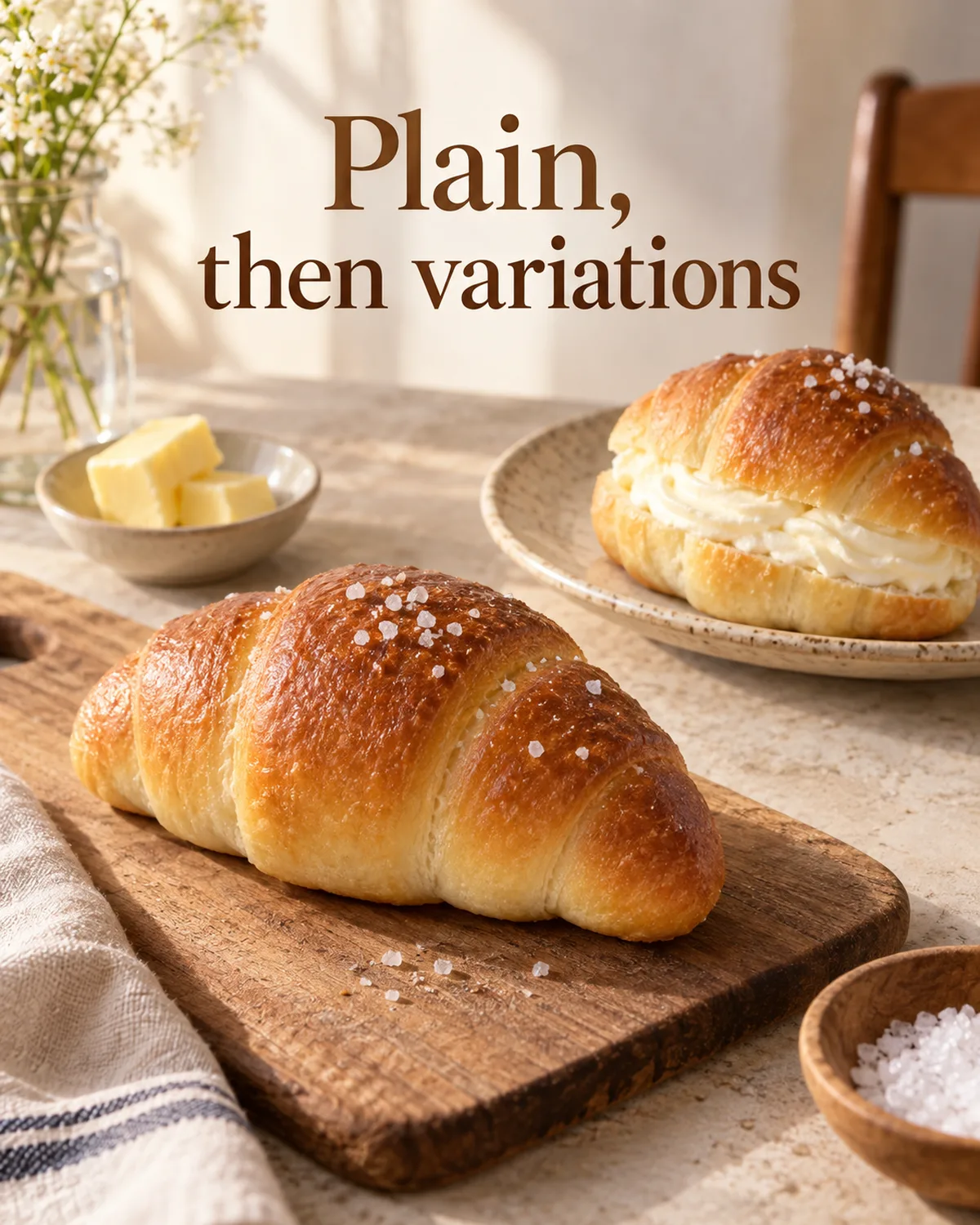
Once a bread category becomes familiar, variation can accelerate. Korean bakeries use salt-bread dough as a base for sweet creams, savory fillings, garlic, cheese, corn, red-bean butter, seasonal flavors and sandwich formats. Some are close to the simple Japanese-style ancestor; others are effectively new filled breads that borrow the salt-butter architecture.
This expansion is not evidence that Korea “improved” or “corrupted” the original. It is what commercial baking does when a format becomes legible to customers. The name becomes a platform.
Buying bread without planning around an old queue report
Start with the neighborhood, not the line. Seongsu Station, Yeonmujang-gil and the wider cafe district offer enough food, design and retail that a sold-out batch should not ruin the visit.
If you want one famous specialist, check its current official or tourism listing shortly before going. Baking schedules, purchase limits, branch arrangements and operating hours can change. A 2026 schedule should not be treated as permanent advice for a later trip.
Keep a second bakery in mind so that a sold-out batch does not decide the whole visit. Comparing two plain rolls can make differences in crumb and butter-browned base easier to notice.
Some shops sell only sets. Others sell singles. Some bake at announced times. Others replenish continuously. Some versions are plain; others are filled. Those are business decisions, not culinary rules.
This distinction matters because travel guides often turn a famous shop’s method into a statement about the whole category. “Korean salt bread comes in packs of four” is not a food fact. It is a current shop policy. “Salt bread is a butter-rich salted roll whose texture depends strongly on baking and fresh service” is much more durable.

A plain-looking roll normally contains wheat and dairy, and may include milk, egg or other enrichments depending on the recipe. Butter is central to many classic versions, so standard sogeum-ppang is not vegan.
Filled versions add more variables: cheese, cream, nuts, eggs, processed meats, sauces or bean pastes. Cross-contact is also possible in bakeries producing many products in the same kitchen.
“Only bread and salt” is therefore not a safe allergy assumption. Ask about the specific bakery recipe, especially if the product is sold from a shop whose marketing emphasizes simplicity but whose production space handles a broad menu.