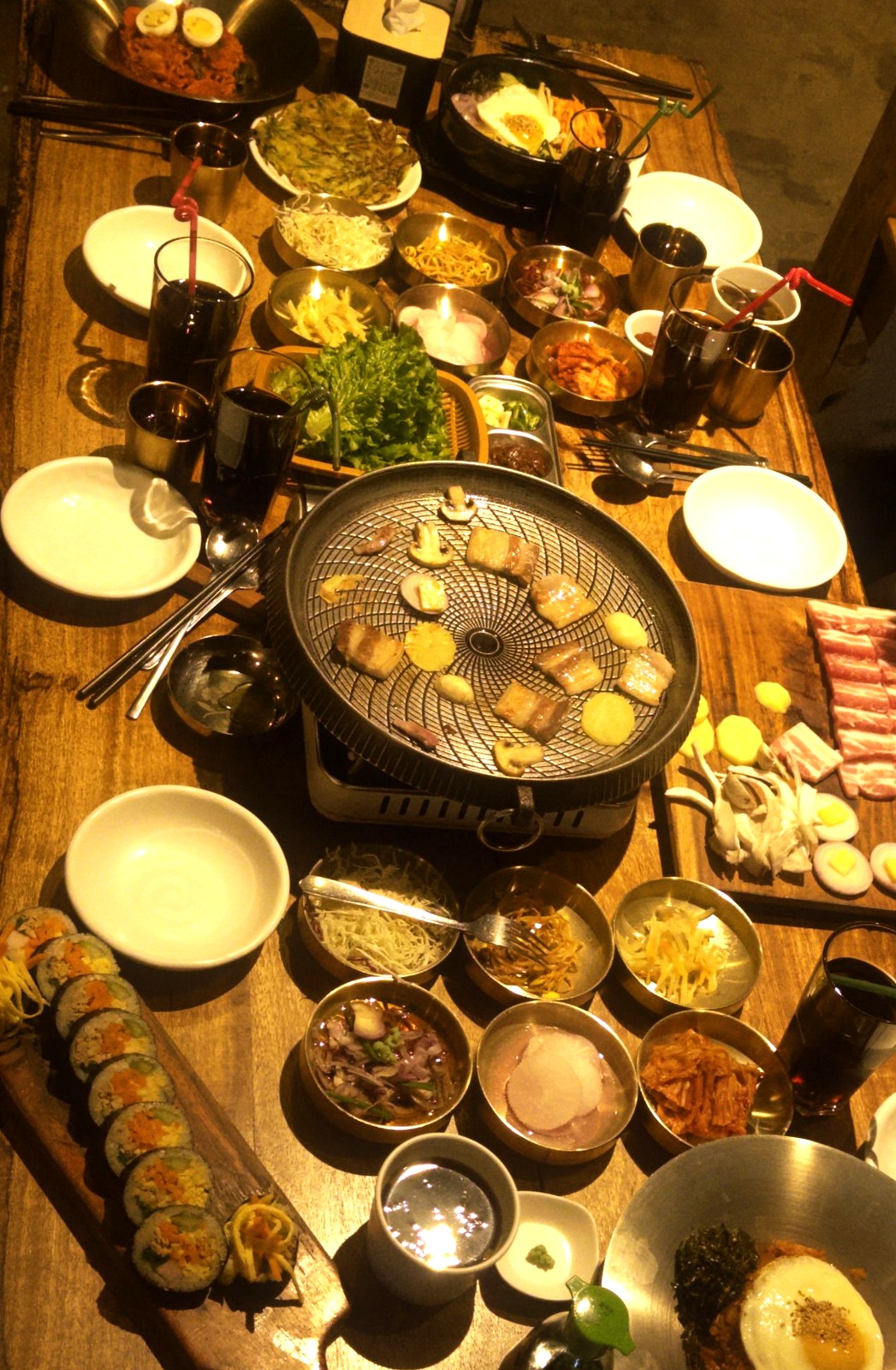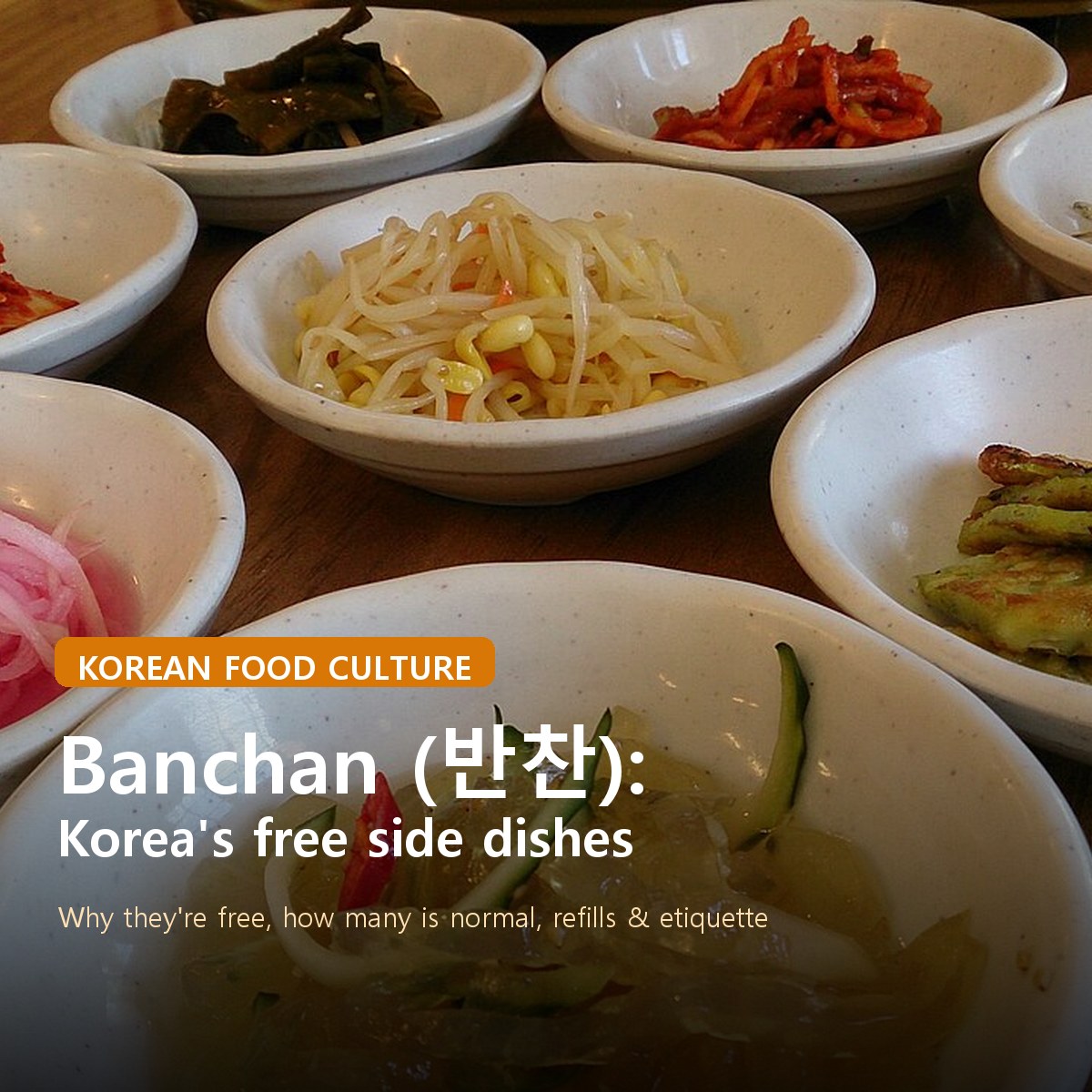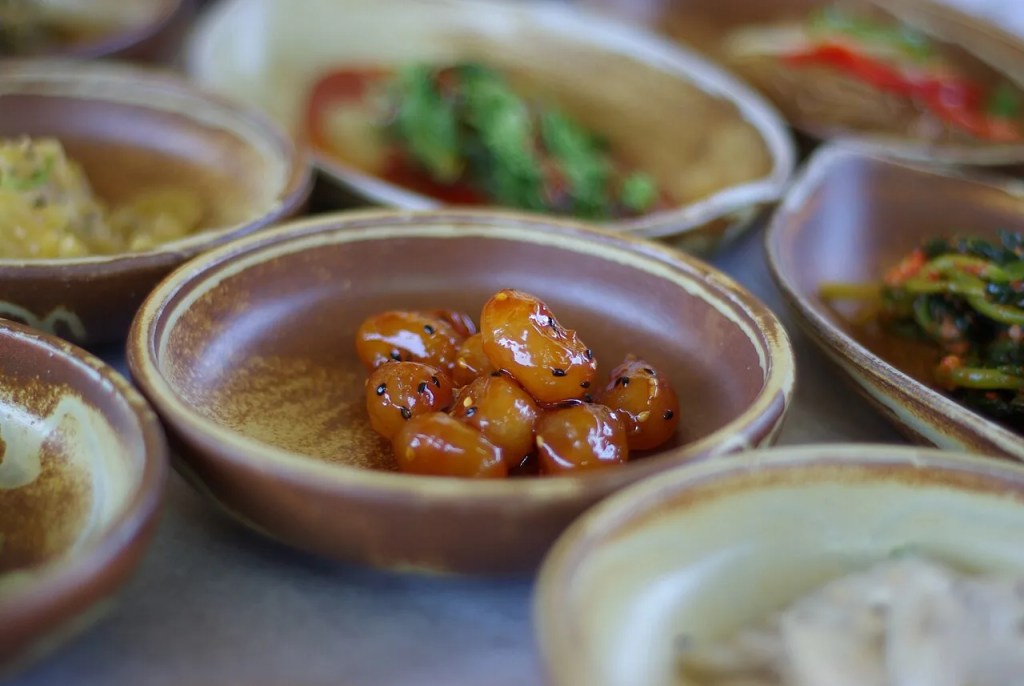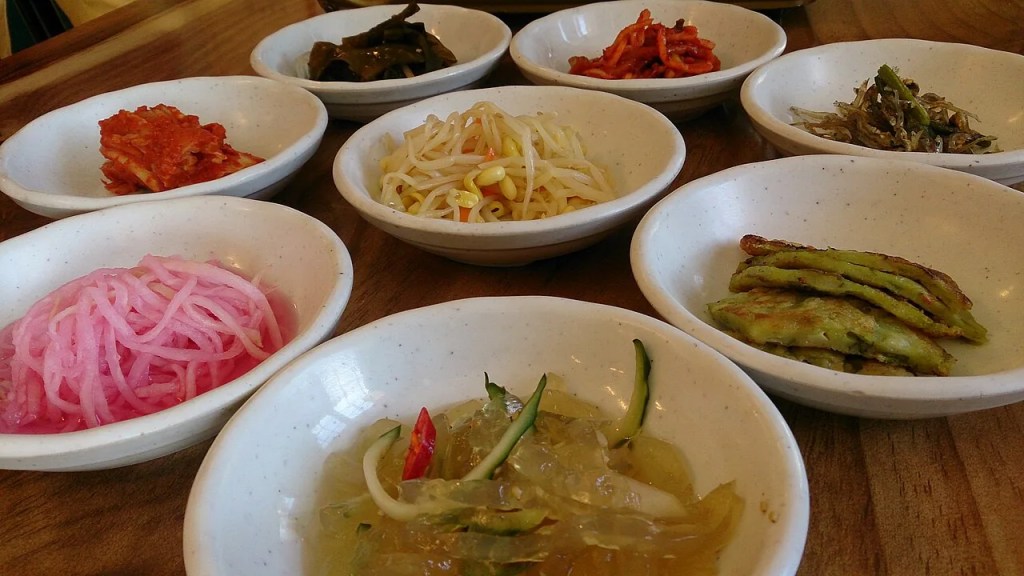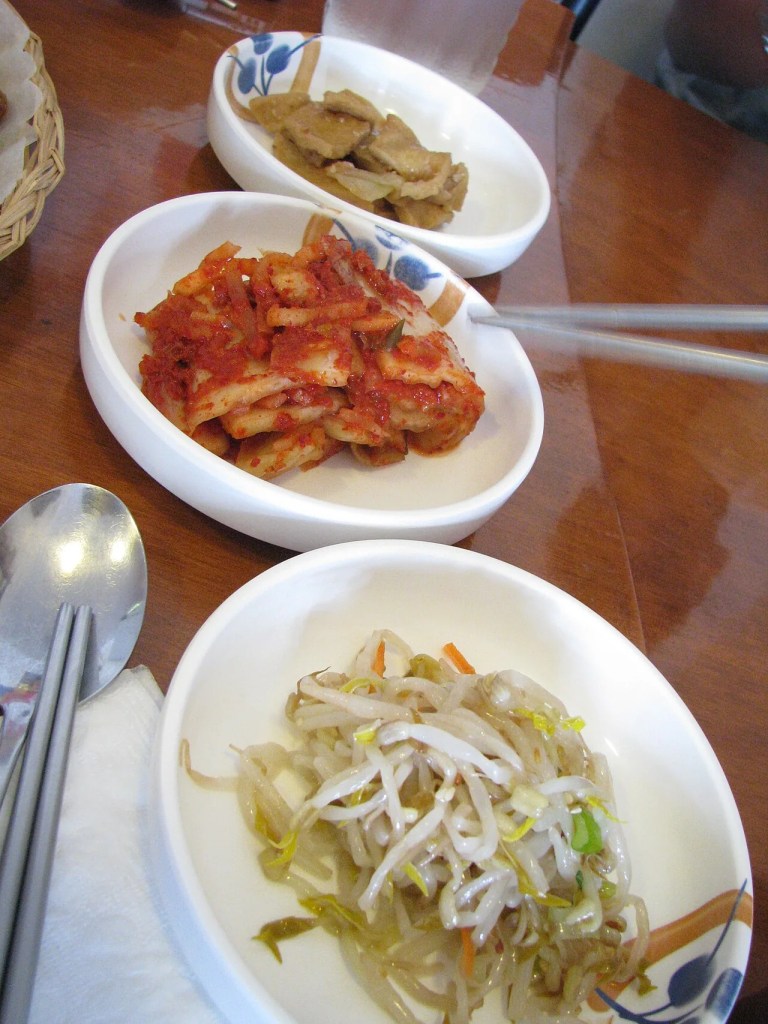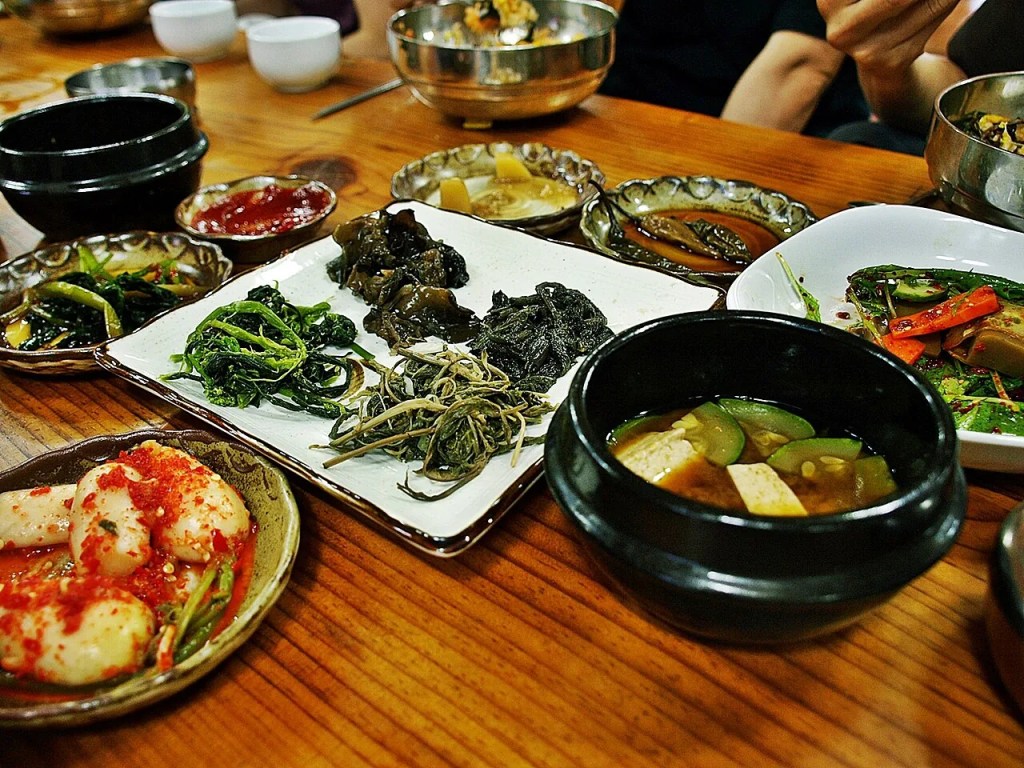
The traditional Korean diet in one photo: a little rice, a lot of vegetables, and something fermented. Photo: Republic of Korea, CC BY-SA 2.0, via Wikimedia Commons.
Every few months the internet rediscovers the Korean diet. K-pop idols make being slim look effortless, wellness accounts swear by kimchi and fermented soybean paste, and everyone wants to know how Koreans eat so much and stay so lean. The honest answer is boring and beautiful: the traditional Korean diet is mostly a bit of rice, a lot of vegetables, something fermented, and not much red meat. It’s one of the healthiest ways of eating in the world — and researchers often point to it as one reason Koreans live so long.
But here’s the part the wellness feeds skip. The most famous person ever to eat this way wasn’t an influencer. He was a king — the longest-living king in five centuries of Korean royalty — and he did it surrounded by the most lavish feast in the country, by choosing, meal after meal, to push it away. First, let’s answer what everyone actually searches for: what is this diet, and what do Koreans really eat?
“He had the richest table in Korea. He ate like a monk on purpose.”
What is the traditional Korean diet?
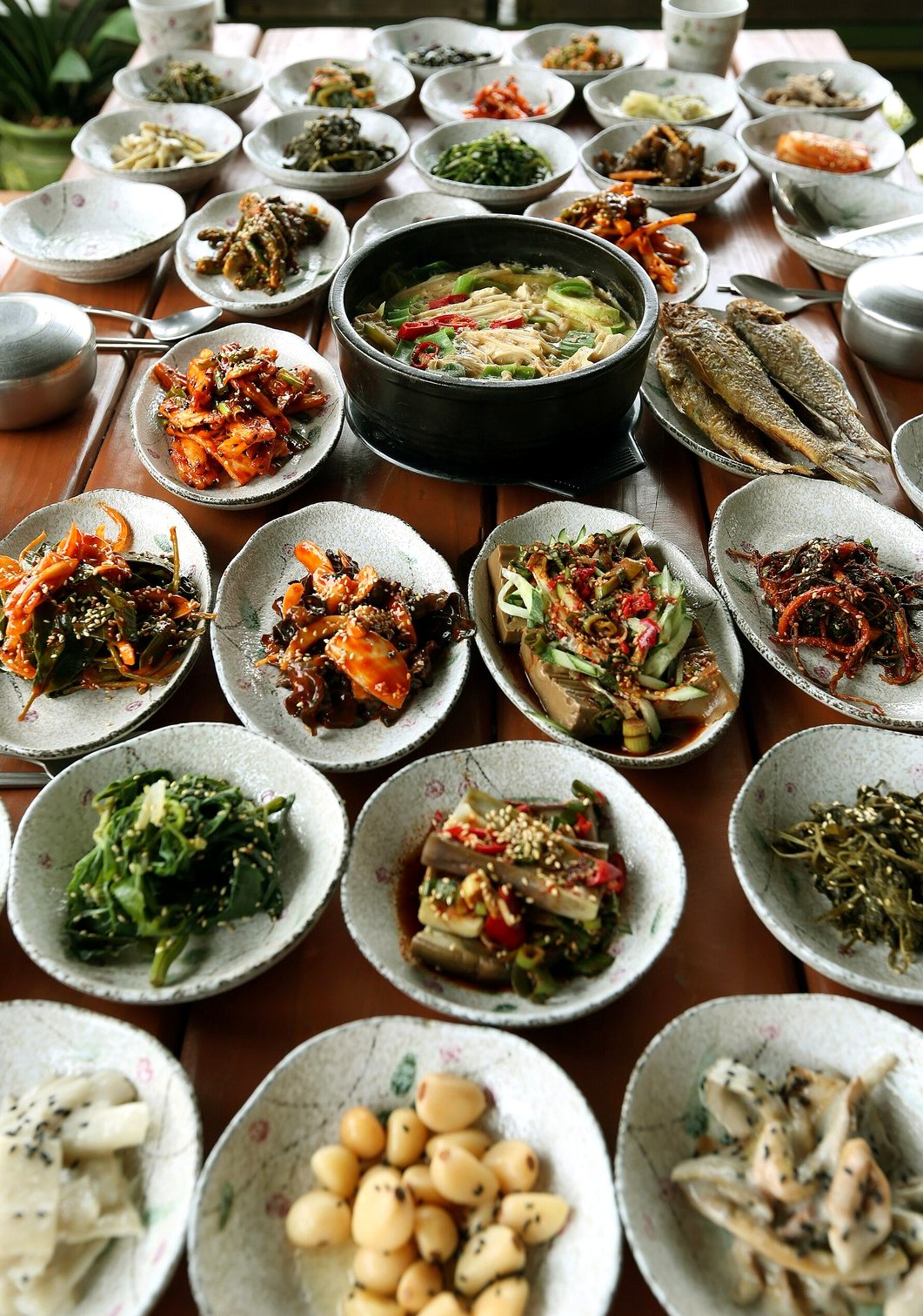
Banchan — the many small side dishes that turn every Korean meal into a spread of vegetables. Photo: Matt @ PEK, CC BY-SA 2.0, via Wikimedia Commons.
A typical Korean meal follows a simple structure Koreans call bansang — rice at the center, a soup or stew, and a spread of small side dishes called banchan (반찬). Those side dishes are the whole trick. Instead of one big plate, you get a bowl of rice, a light broth, and anywhere from three to a dozen little dishes of vegetables, greens, and fermented foods to share.
So what do Koreans eat every day? Roughly this: whole or mixed grains instead of just white rice; a soup like doenjang jjigae; kimchi at nearly every meal; several vegetable side dishes (namul); and fish or legumes more often than red meat. It’s naturally high in fiber and vegetables and low in heavy, processed food — which is exactly why “healthy Korean food” and “Korean diet for weight loss” have become such popular searches. And crucially, unlike many modern diets, the traditional Korean diet isn’t built around restriction. There’s no rule banning carbs or fat. The balance just happens: rice, soup, ferments, and a table full of vegetables add up to a meal that’s filling without being heavy.
Why the whole world suddenly wants healthy Korean food
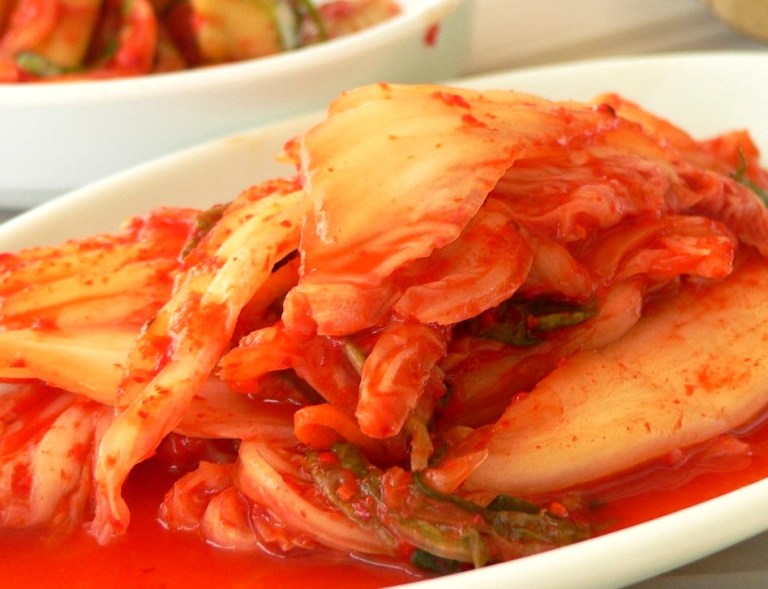
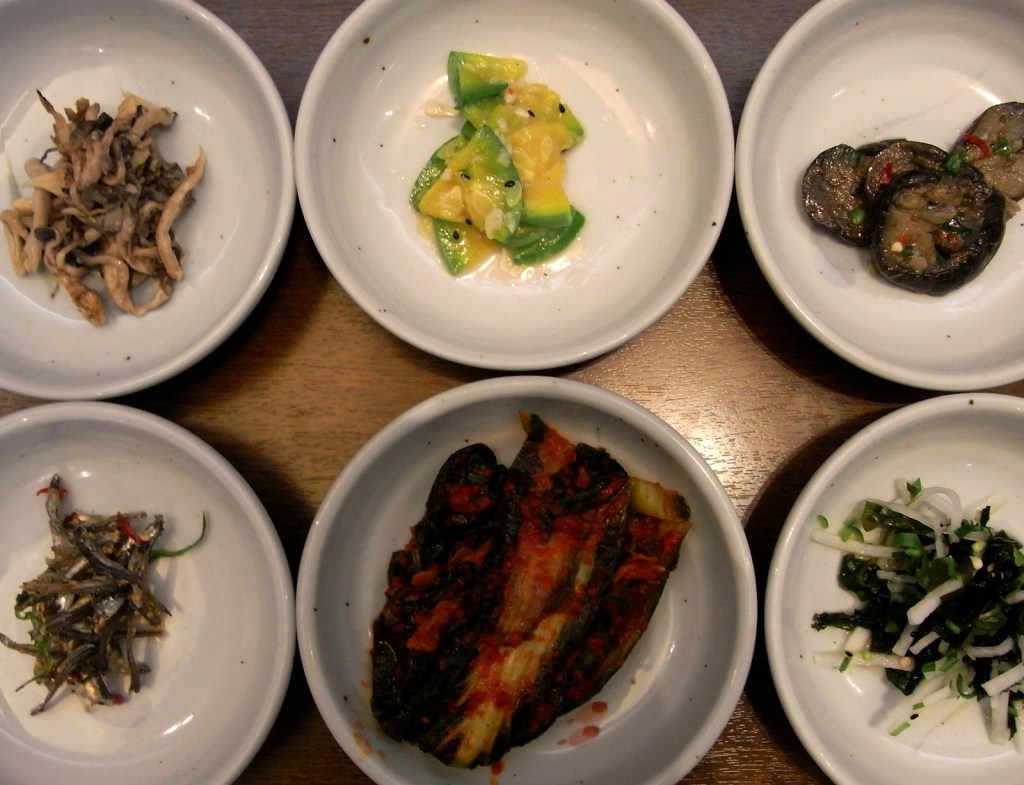
Fermented foods — kimchi, doenjang, gochujang — are the diet’s not-so-secret weapon. Photo: Nagyman, CC BY-SA, via Openverse.
This isn’t just a trend hunch. A large 2017 study in The Lancet projected South Korea to reach one of the highest life expectancies in the world by 2030, and the country already sits near the top for healthy years lived. Longevity has many causes — healthcare, income, and lifestyle all matter — but researchers keep pointing at the same suspects on the Korean table: vegetables, and fermentation.
The star is namul (나물) — vegetables and wild greens quickly parboiled, then seasoned with sesame oil, garlic, and soy. Blanching them, it turns out, can strip away harsh or harmful compounds while keeping the good stuff, which is one reason Koreans eat an enormous variety of greens without it ever feeling like “eating your vegetables.” Then there’s the fermented backbone: kimchi, doenjang (fermented soybean paste), and gochujang, all rich in gut-friendly bacteria, some even generating vitamins as they age. Add moderate fish and legumes, keep red meat occasional, and you’ve basically described the traditional Korean plate. Today, nutrition experts would recognize many of these habits — but they’re actually centuries old.
The king who out-lived everyone by eating less

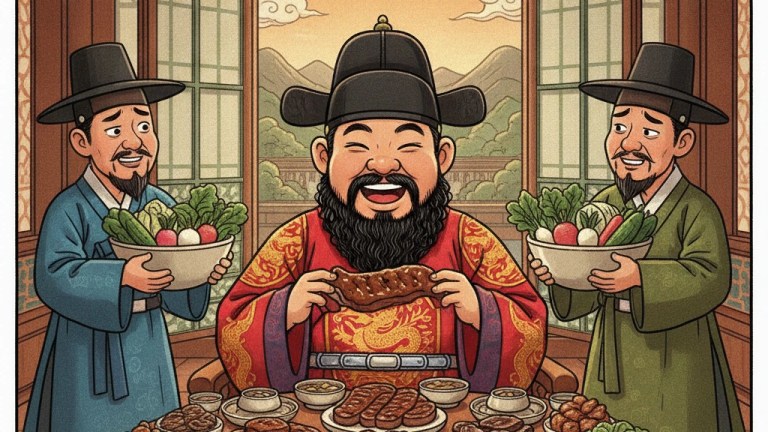
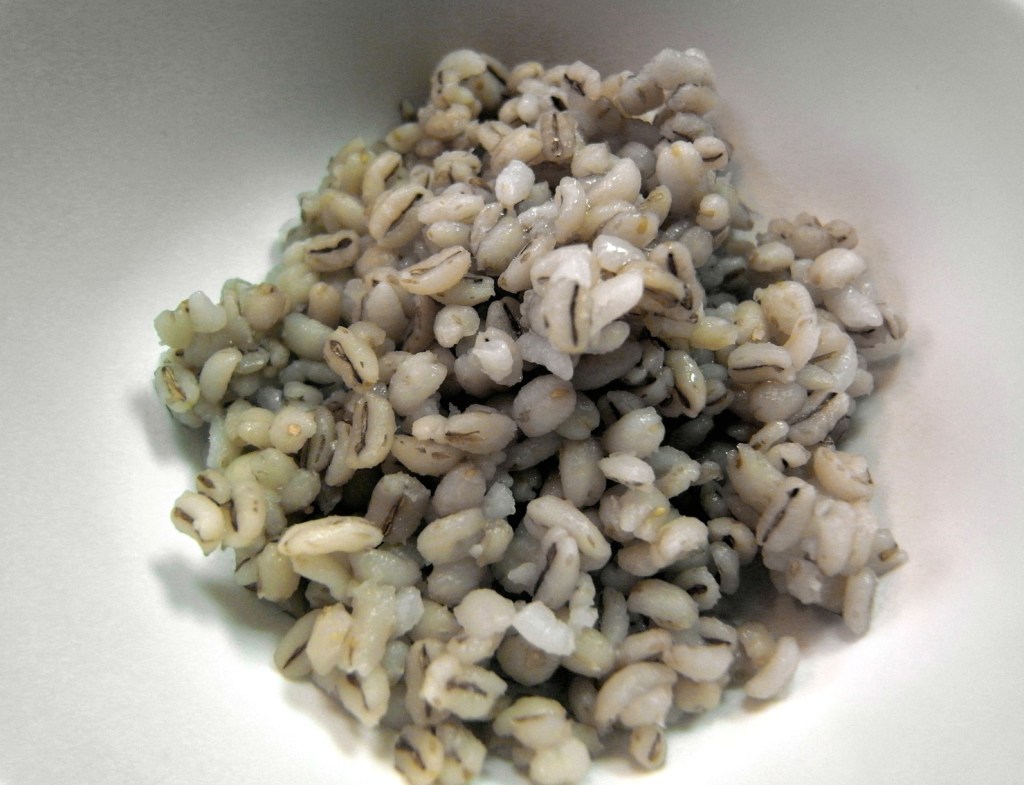
King Yeongjo waving away the lavish trays — small table, long life (playful illustration).
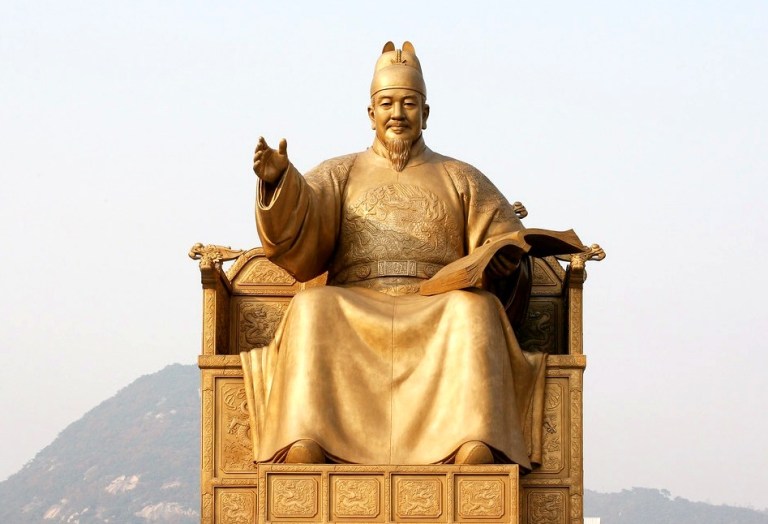
King Yeongjo — the longest-reigning, longest-living Joseon king, and an accidental diet icon. Photo: Chae Yong-sin / Jo Seokjin (public domain), via Wikimedia Commons.
Meet King Yeongjo, who ruled Joseon Korea for 52 years and lived to 83. That number needs context: in an era when reaching old age was rare, living to 83 was almost science fiction — the rough equivalent of passing 100 today. And he did it from the one seat in Korea with unlimited access to rich food.
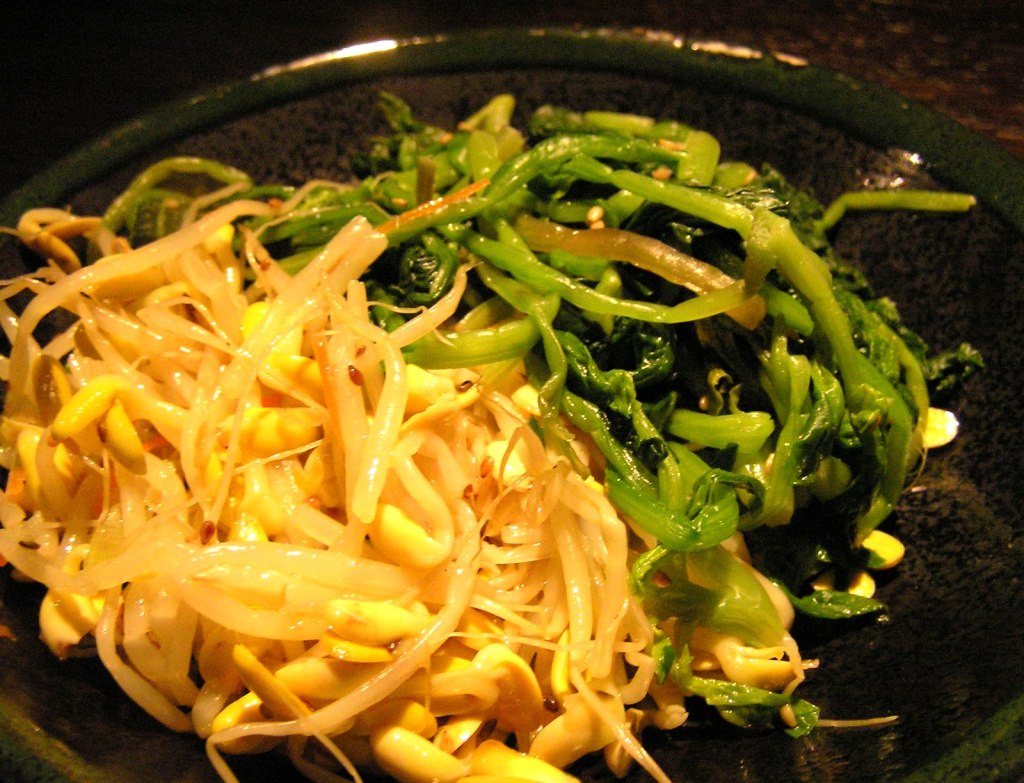
You already know Korean kings ate like kings — five elaborate meals a day, meat at the center. Here’s what nobody mentions: Yeongjo refused almost all of it. Where other kings took five meals, he took three. His portions were so small that the royal cooks reportedly worried he wasn’t eating enough. He leaned toward seasonal vegetables and namul, plain broths, and restraint — he even preferred humble millet and barley to the polished white rice reserved for royalty. A frail young prince turned himself into the longest-living king in the dynasty, on purpose, one modest meal at a time. It’s a strange kind of willpower to picture: the one man in the country who could have anything, choosing barley over rice at every single meal for decades.
What was actually on the longevity king’s table

Barley and mixed grains over polished white rice — Yeongjo’s quiet preference. Photo: Dalgial, CC BY-SA 3.0, via Wikimedia Commons.
Strip Yeongjo’s habits down and they look strikingly like the advice a modern longevity doctor would give you: eat mostly plants, keep portions small, favor whole grains over refined ones, and don’t stuff yourself. He wasn’t counting macros — he was practicing restraint as a discipline. In old age he also leaned on ginseng as a restorative tonic, reportedly working through a remarkable amount of it in his later years, in a very Korean marriage of food and medicine.
The lesson isn’t that vegetables are magic. It’s that the healthy Korean diet everyone’s chasing today isn’t a hack invented for Instagram. It’s a way of eating that a weak prince used to outlast every strong king around him — a table built on greens, grains, and knowing when to stop.
What actually makes the Korean diet healthy
Doenjang, fermented soybean paste, turns humble vegetables into deeply savory, gut-friendly meals. Photo: Suohros (public domain), via Openverse.
If you want to actually eat this way, here’s what the traditional Korean plate is built on:
- Namul (나물) — parboiled, seasoned vegetables and wild greens, eaten in huge variety. The real engine of the diet.
- Fermented foods — kimchi, doenjang, gochujang. Gut-friendly bacteria, big flavor, near-zero effort once made.
- Whole grains — barley and millet mixed into rice, more fiber and slower energy than polished white rice alone.
- Fish and legumes over red meat — protein without the heavy saturated fat, most days of the week.
- Small rice, many sides (the bansang layout) — the shape of the meal itself nudges you toward vegetables and away from overeating.
3 easy ways to bring the Korean table home
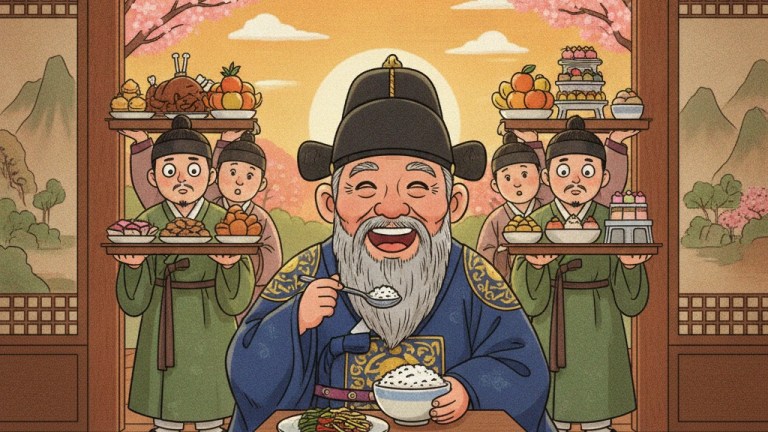
Namul — quickly blanched, lightly seasoned greens and sprouts. The easiest Korean habit to steal. Photo: Laurel Fan, CC BY-SA 2.0, via Wikimedia Commons.
You don’t need a Korean grandmother or a pantry of special ingredients to eat a little more like this. Three simple habits get you most of the way:
- Make an instant namul. Take spinach, kale, or bean sprouts, blanch them for a minute, drain, and toss with a splash of sesame oil, a little minced garlic, and soy sauce. That’s a real vegetable side dish in five minutes.
- Keep a ferment in the fridge. A jar of good kimchi or a tub of doenjang adds instant gut-friendly bacteria and deep, savory umami to almost anything. When buying kimchi, check the label for a short, natural ingredient list (cabbage, chili, garlic, fish sauce) and few additives.
- Flip the plate ratio. Let vegetables and a light soup be the main event, with rice playing the supporting role instead of the star. That single switch is the quiet logic behind the whole Korean table.
Questions people ask about the Korean diet
What is the Korean diet? It’s a traditional way of eating built on rice, soup, kimchi and other fermented foods, and lots of vegetable side dishes (banchan), with fish and legumes more often than red meat. It’s naturally high in fiber and vegetables and low in heavy, processed food.
What do Koreans eat every day? A typical Korean meal is rice, a soup or stew (like doenjang jjigae), kimchi, and a few small vegetable side dishes — the bansang structure. Whole grains often replace plain white rice.
Is the Korean diet good for weight loss? The traditional version tends to be, because its structure does the work: a little rice, a bowl of soup, and a spread of low-calorie, high-fiber vegetables means you eat until satisfied without overloading. (Modern fried and processed Korean foods are a different story.)
What are banchan? Banchan (반찬) are the small shared side dishes served with almost every Korean meal — seasoned vegetables (namul), kimchi, pickles, and more. They’re what makes a Korean table mostly vegetables by volume.
Is Korean food healthy? Traditional Korean food — vegetables, fermented foods, fish, legumes, and modest red meat — lines up closely with what research links to long, healthy lives, and Korea is projected to reach one of the world’s highest life expectancies. As always, deep-fried and heavily processed dishes are the exception.
Did a Korean king really live to 83 on a simple diet? King Yeongjo did live to 83 and is remembered for eating modestly — three small meals, plenty of vegetables, and whole grains — despite having access to the richest food in the kingdom. Historians credit his careful health management, diet included.
Where to start eating the Korean way
The next time a wellness account sells you the “Korean diet” as a new discovery, remember the frail prince who quietly out-lived every king around him by pushing the feast away. The whole system is right there on any ordinary Korean table — you just have to load up on the little green plates.
Want to taste the vegetable side of it? Start with a mountain-herb rice bowl in our gondeure namul bap guide, see how a rainbow of vegetables becomes one perfect bowl in Jeonju’s bibimbap, or wander the endless side-dish stalls of Gwangjang Market.
Longevity projections from a 2017 study in The Lancet; the roles of namul and fermented foods drawn from published nutrition research and Korean culinary scholarship. Life expectancy has many contributing factors beyond diet. King Yeongjo’s reign length, lifespan, and modest eating habits are recorded in Korean historical sources; some details of his portions and ginseng use survive as court accounts and are noted as such.