Regional dishes, ingredients and cooking methods. For stories about people, popular culture and changing habits, visit Food & Culture.
-
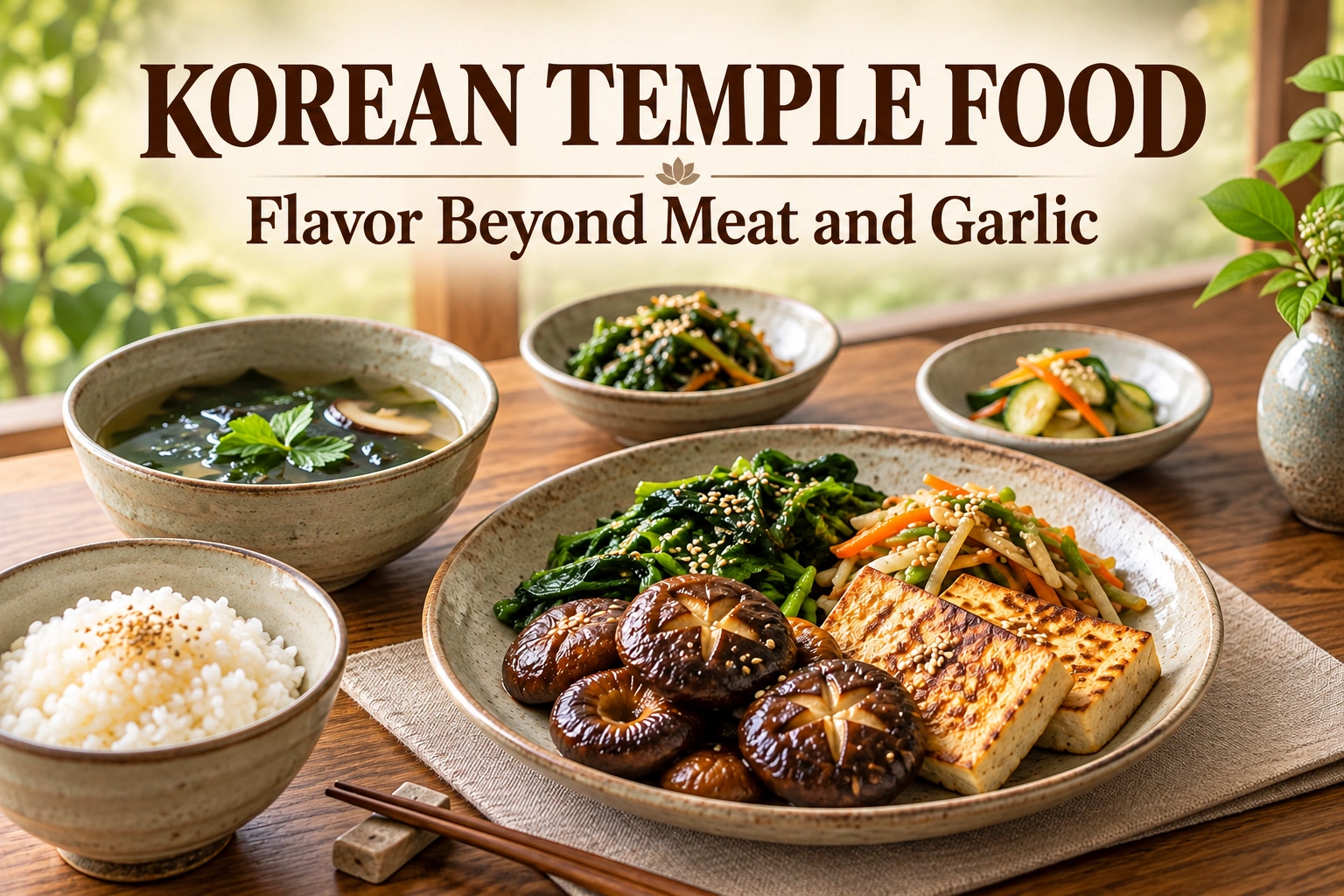
Korean Temple Food: How Cooks Build Flavor Without Meat or Garlic
Explore Korean temple food through Jeong Kwan’s mushrooms, soy sauce, whole-plant cooking and crisp bugak, with a clear explanation of vegan labels.
-

What Is Jeotgal? How Preserved Seafood Becomes Banchan and Kimchi Seasoning
Follow Korean jeotgal from a Silla wedding record and Ganggyeong storage to squid banchan, salted shrimp with pork and seafood seasoning in kimchi.
-
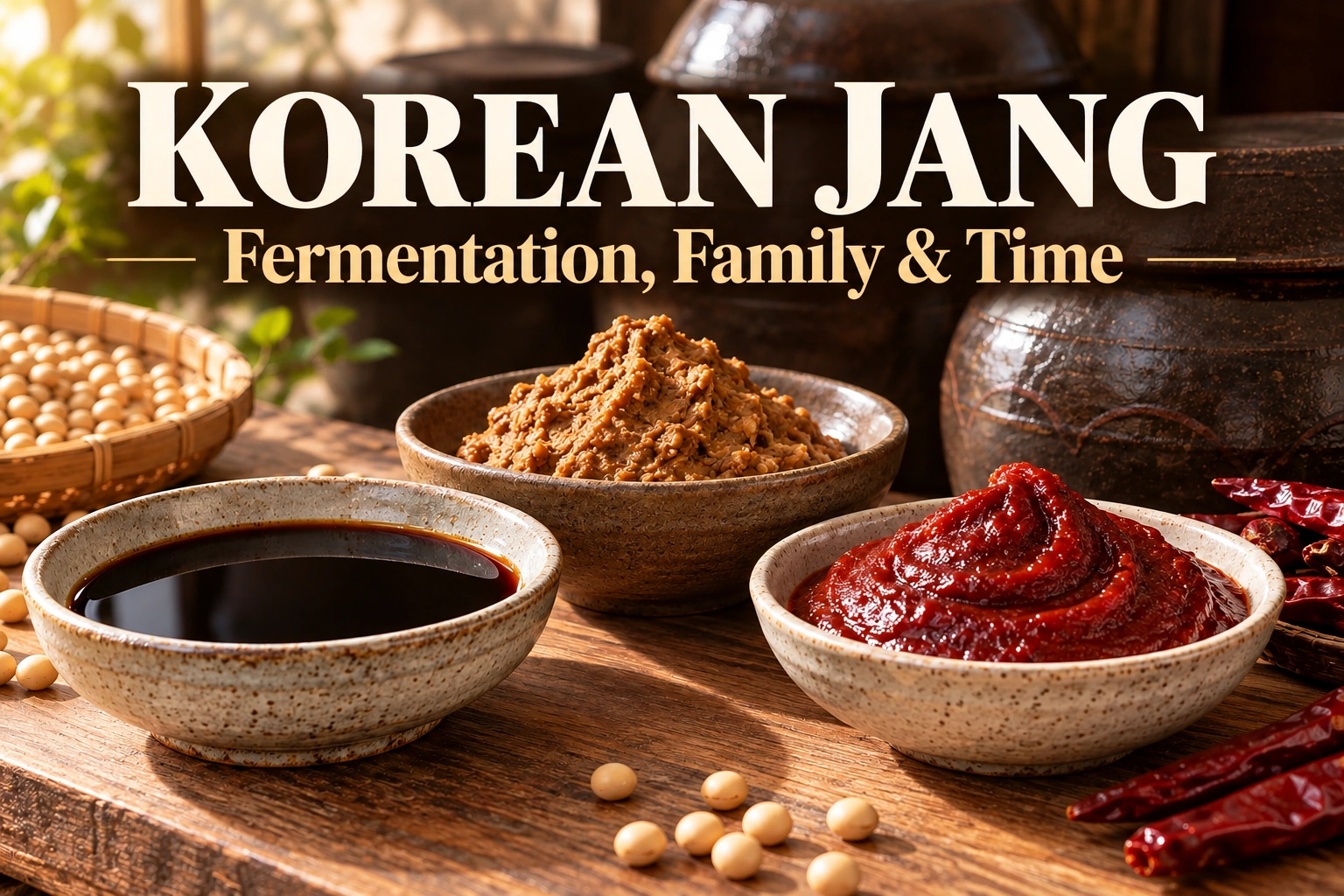
What Is Jang? How Korean Fermented Sauces Carry Family Knowledge
Explore Korean jang through seed soy sauce, family teaching and makers’ aging routines, and discover why UNESCO recognized a living practice.
-
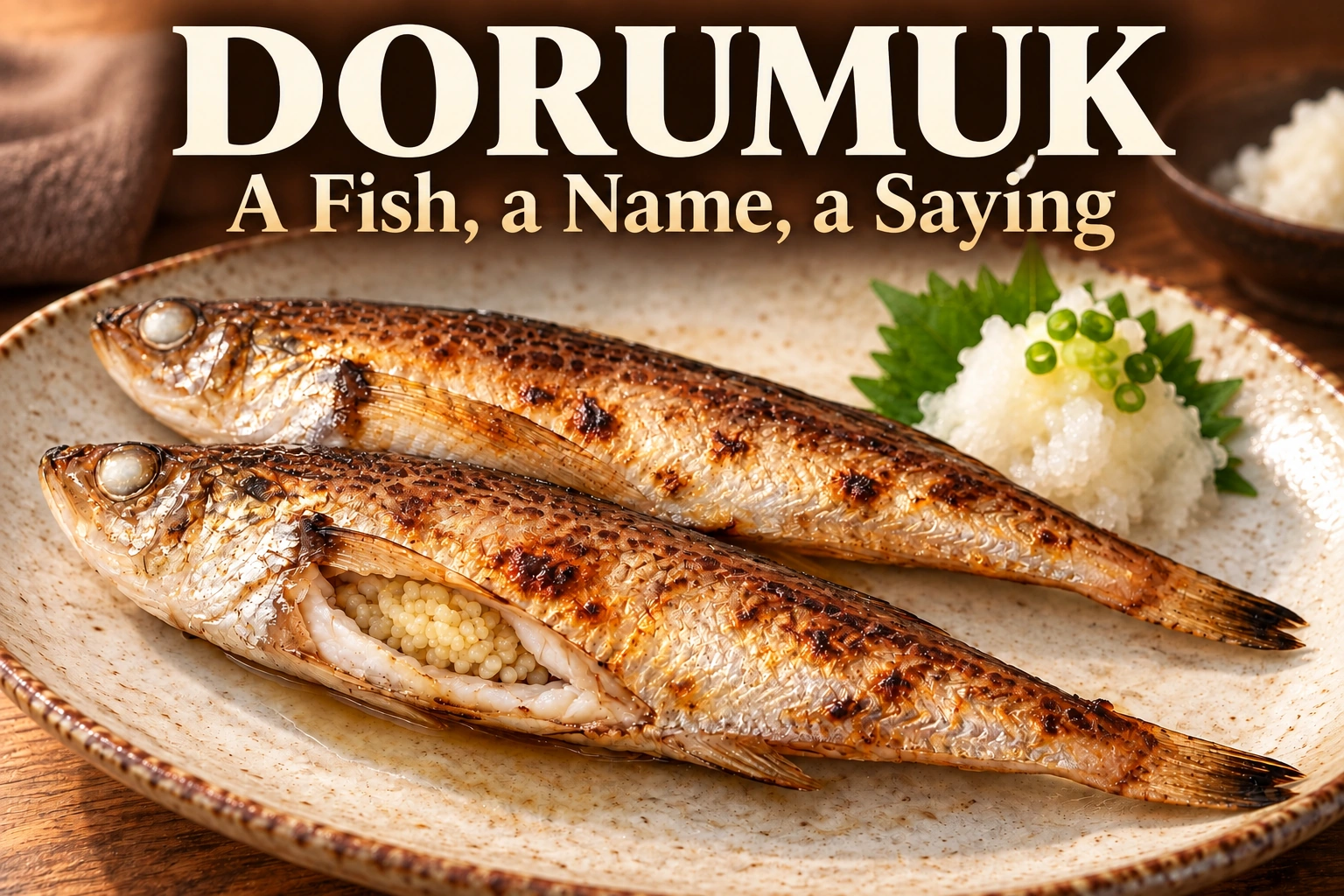
Dorumuk: The Korean Winter Fish Behind “All for Nothing”
Discover dorumuk, the Korean winter fish behind “all for nothing.” Separate its royal legend from linguistic evidence, then follow family food and Akita parallels.
-
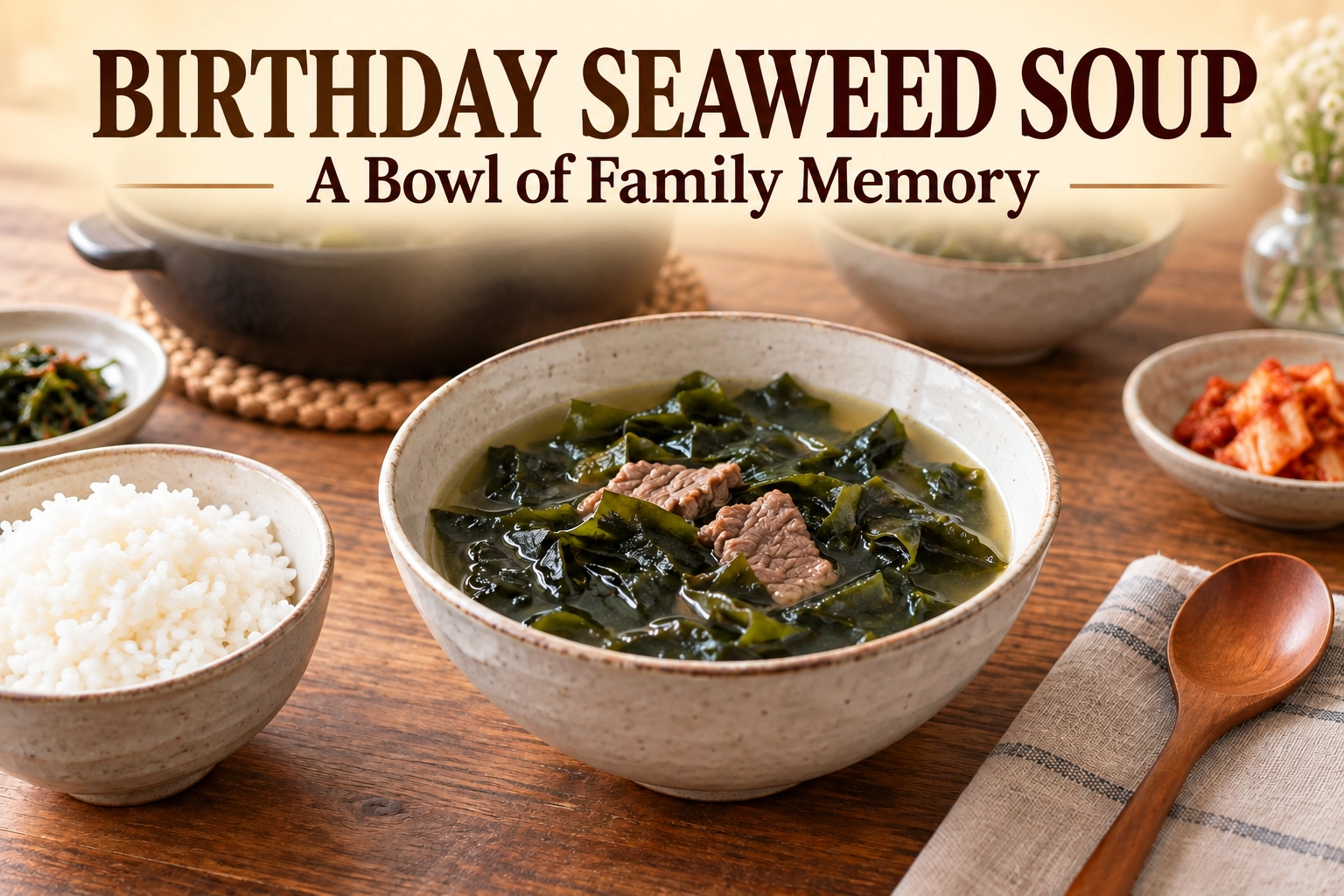
Why Koreans Eat Seaweed Soup on Birthdays: A Bowl of Family Memory
Discover why miyeokguk is Korean birthday soup, from a mother’s first rice-and-soup meal to a family story of learning to cook the next bowl.
-
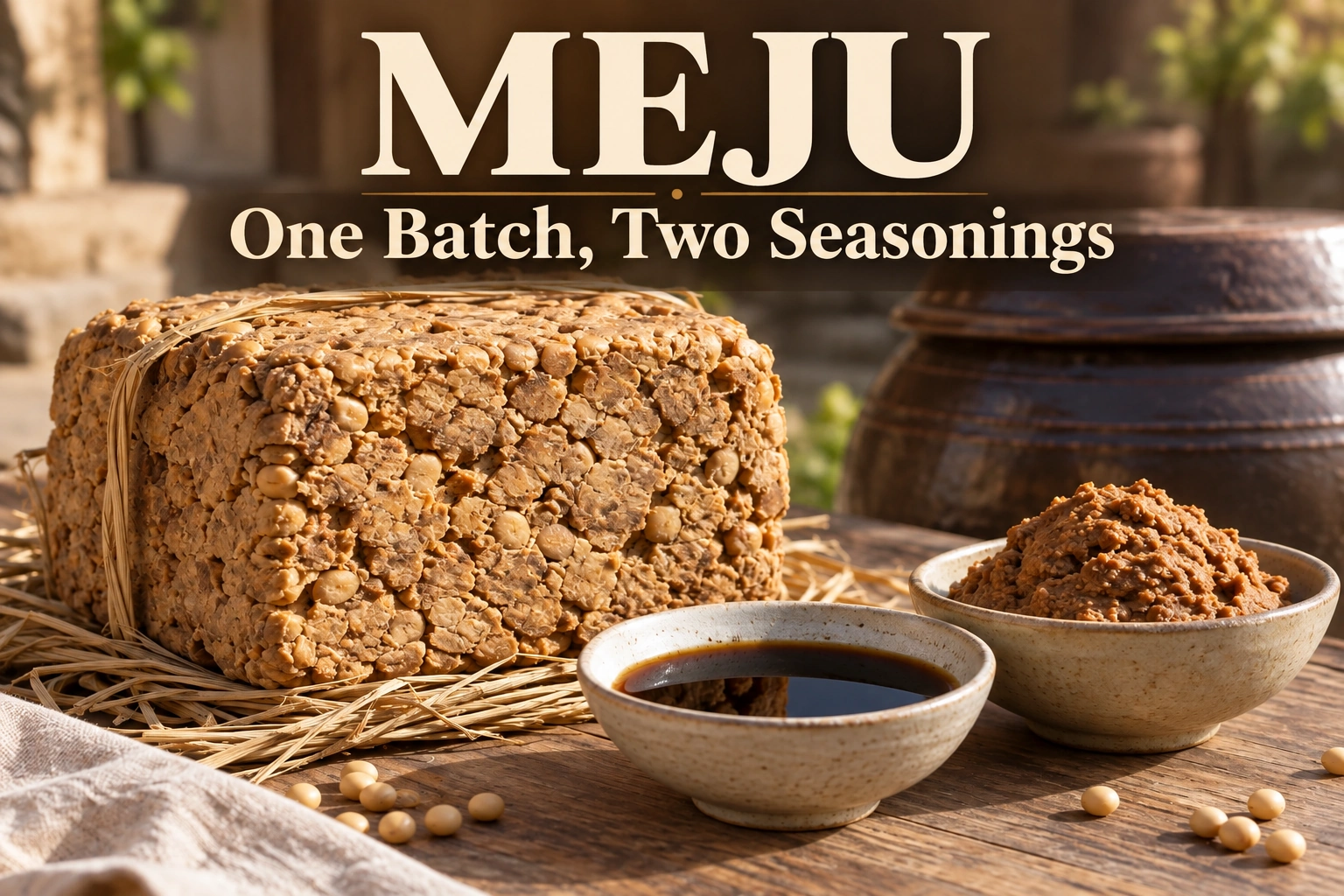
How Meju Becomes Doenjang and Ganjang: One Batch, Two Korean Seasonings
Follow meju into doenjang and ganjang through a maker’s diary, an older cookbook and temple research, then learn what this shared history means for your pantry.
-
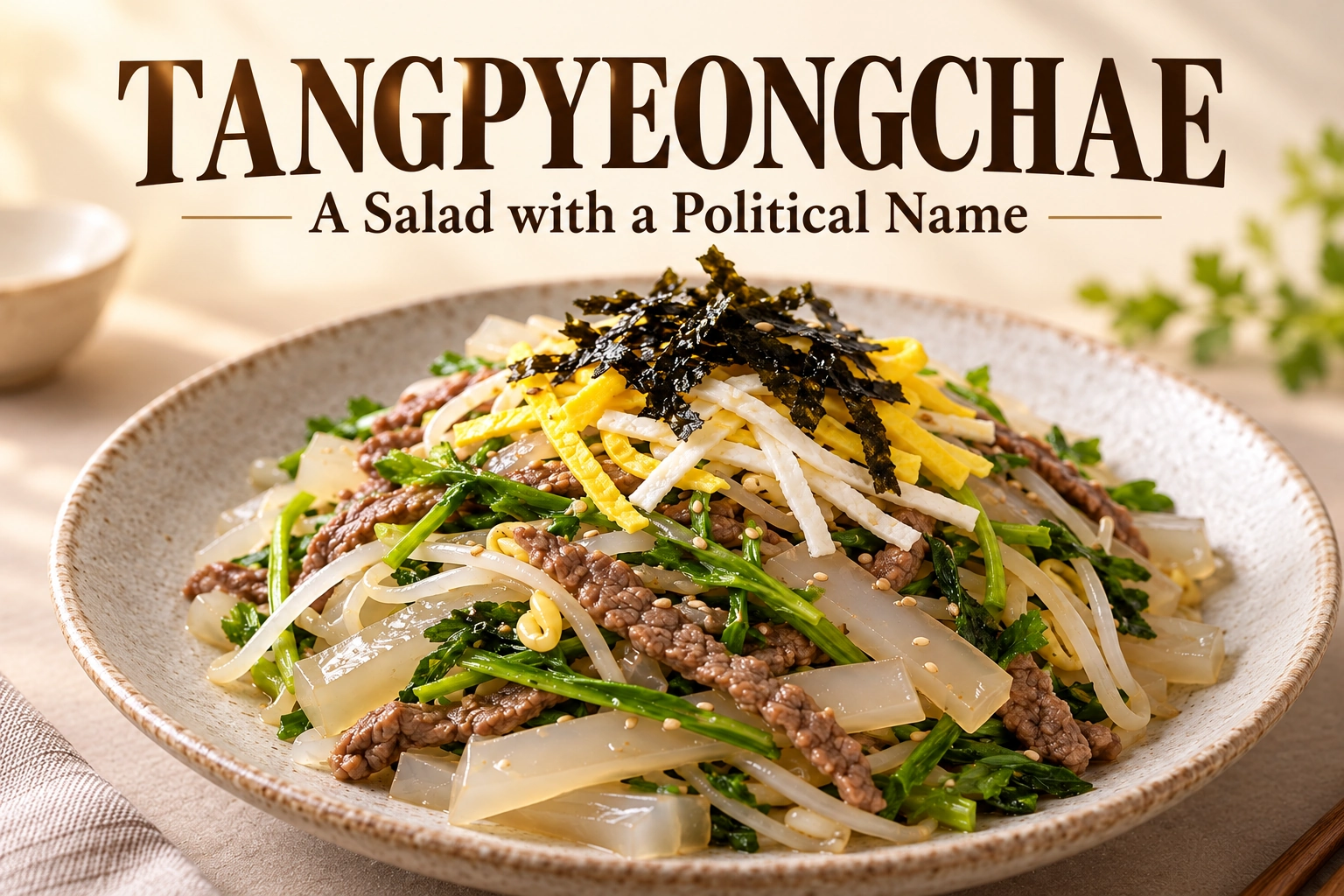
Tangpyeongchae: The Korean Jelly Salad with a Political Name
Discover why tangpyeongchae carries a political name, how its ingredients changed, and what Korean mung-bean jelly salad reveals about harmony and cooking.
-
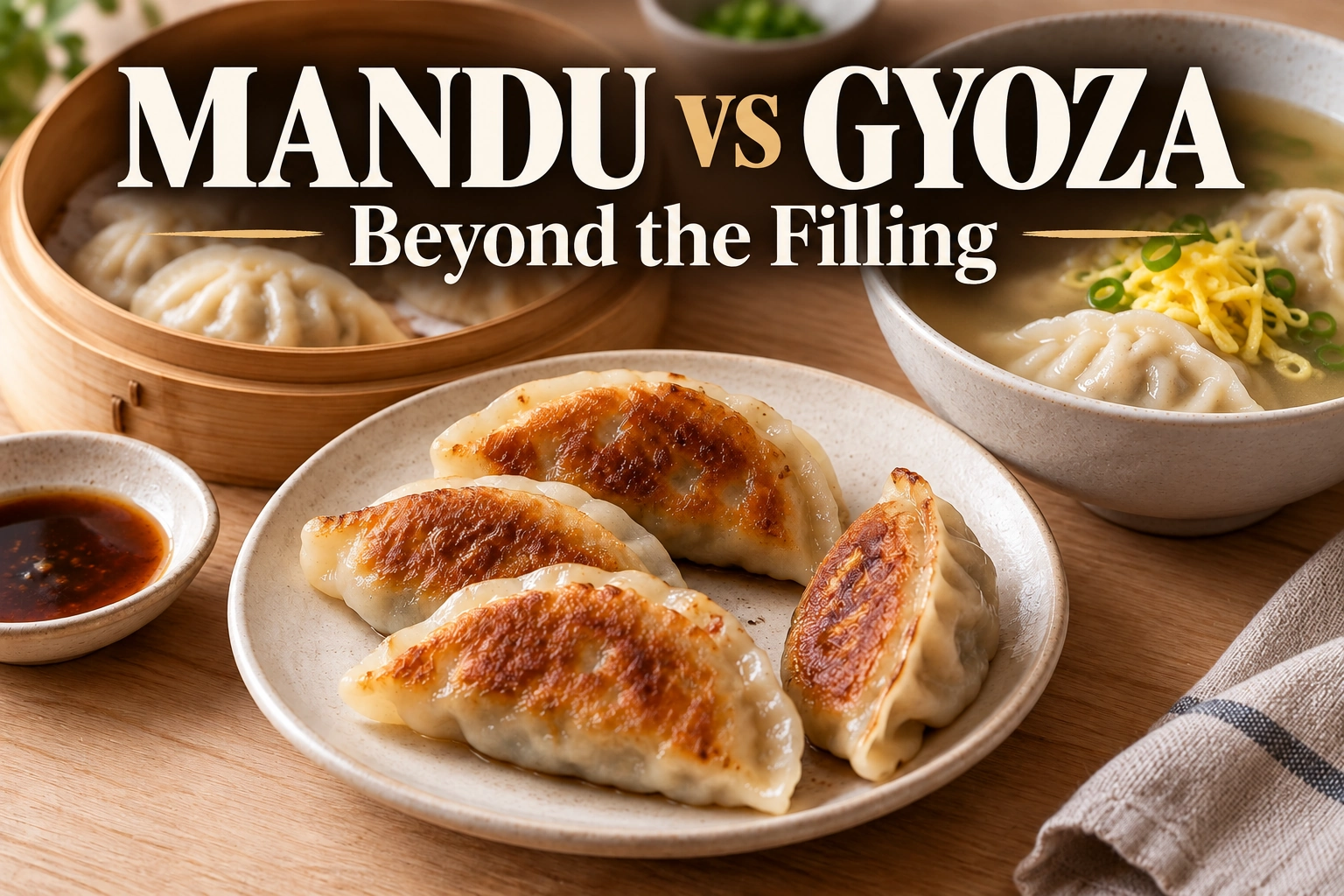
Mandu vs Gyoza: What Korean Dumplings Change Beyond the Filling
Explore mandu vs gyoza through Korean dumpling history, changing wrappers, fillings and cooking methods—and choose fried, steamed mandu or manduguk.
-
Korean Corn Cheese: Sweet Corn, Melted Cheese and Its Modern Serving Style
Corn cheese earns attention in the first spoonful: sweet kernels stay distinct beneath a rich, melted top.
-
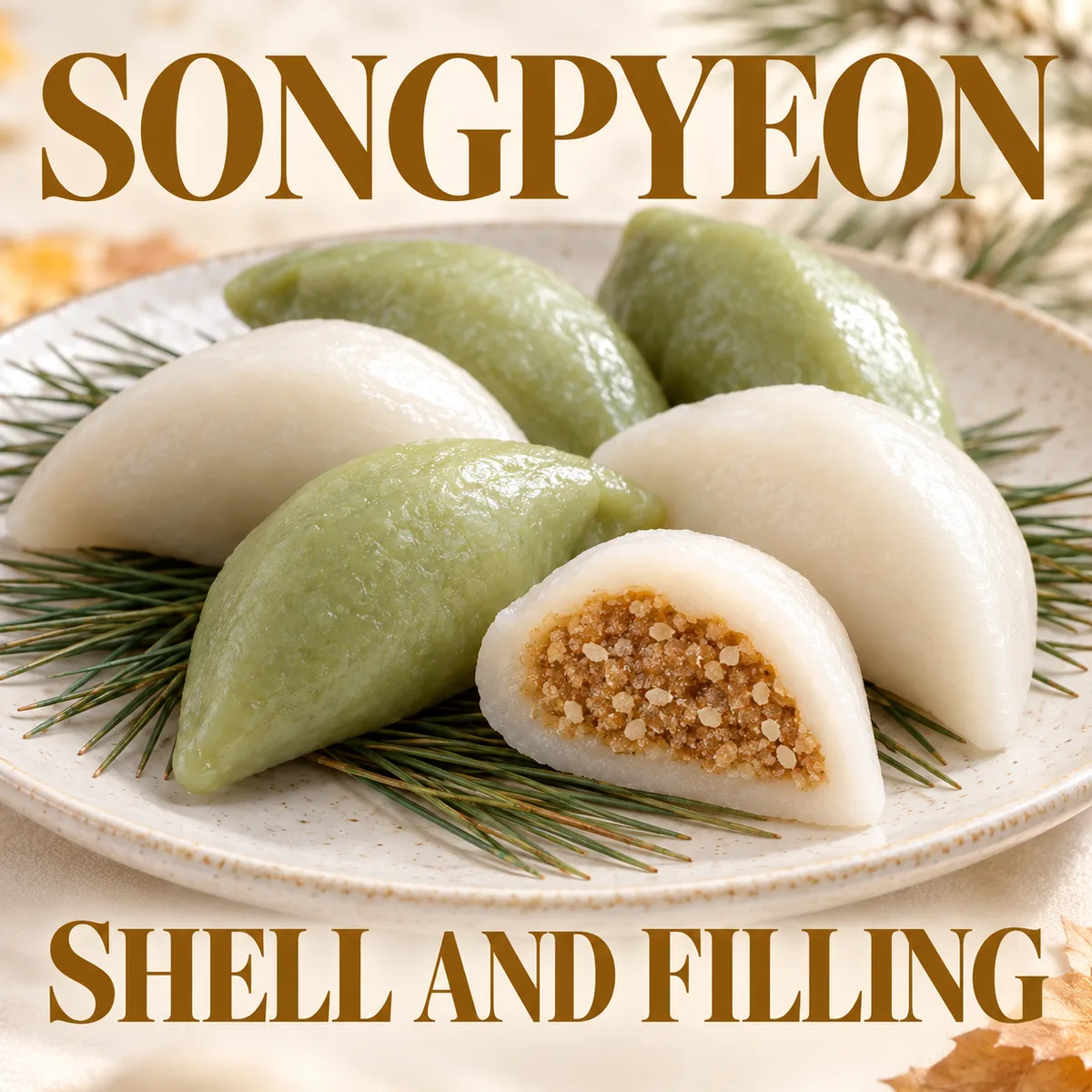
Songpyeon vs Mochi vs Mooncake: Why Korea’s Chuseok Rice Cake Is a Half Moon
Songpyeon is not mochi and not a mooncake. What Korea’s Chuseok rice cake is made of, what goes inside, and why it is a half moon.
-
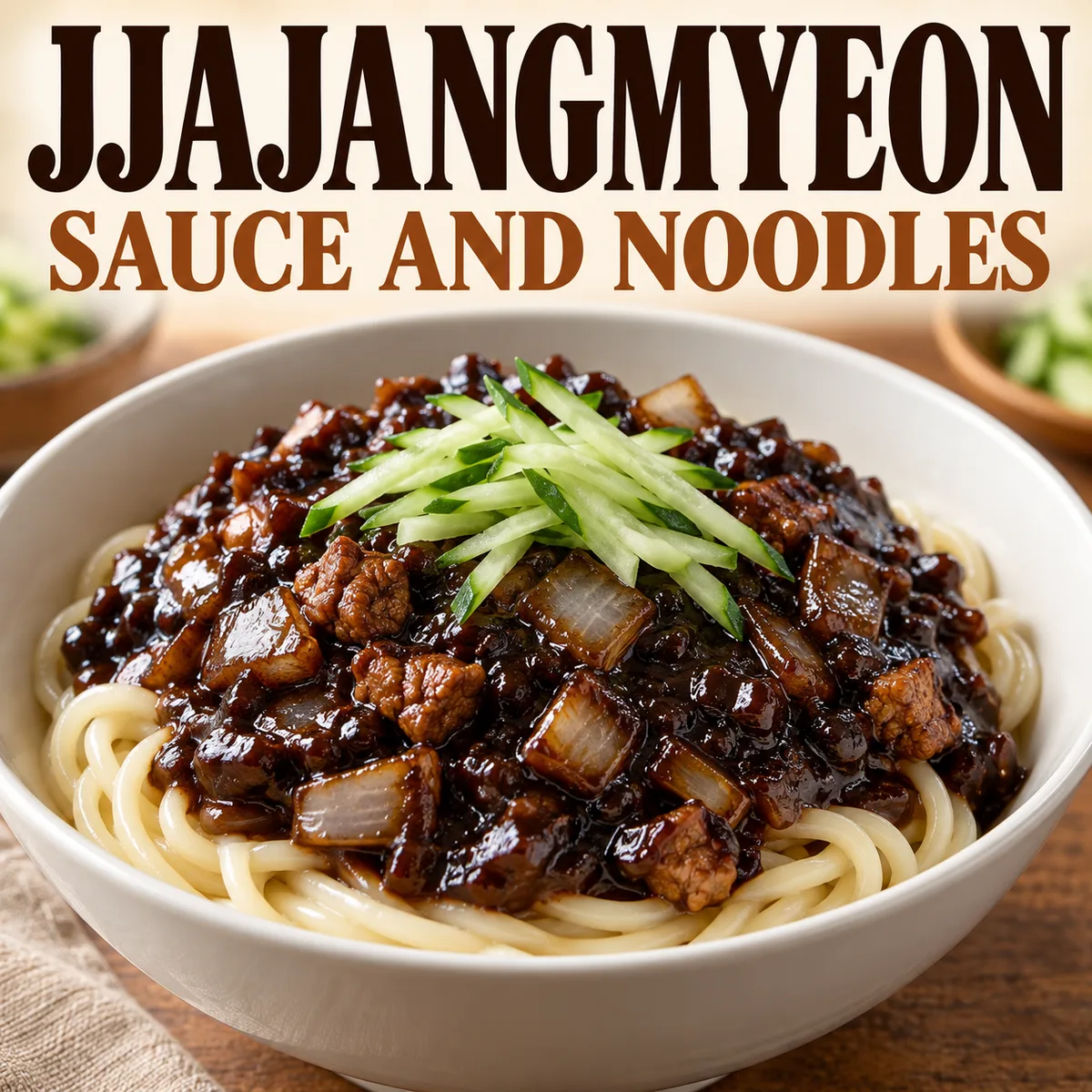
Jjajangmyeon: Incheon’s Korean-Chinese Noodles and Hwasa’s Instant Bowl
Jjajangmyeon is easiest to understand while mixing it: pale wheat noodles become coated in a dark, glossy sauce, and pieces of onion or other ingredients come into view.
-
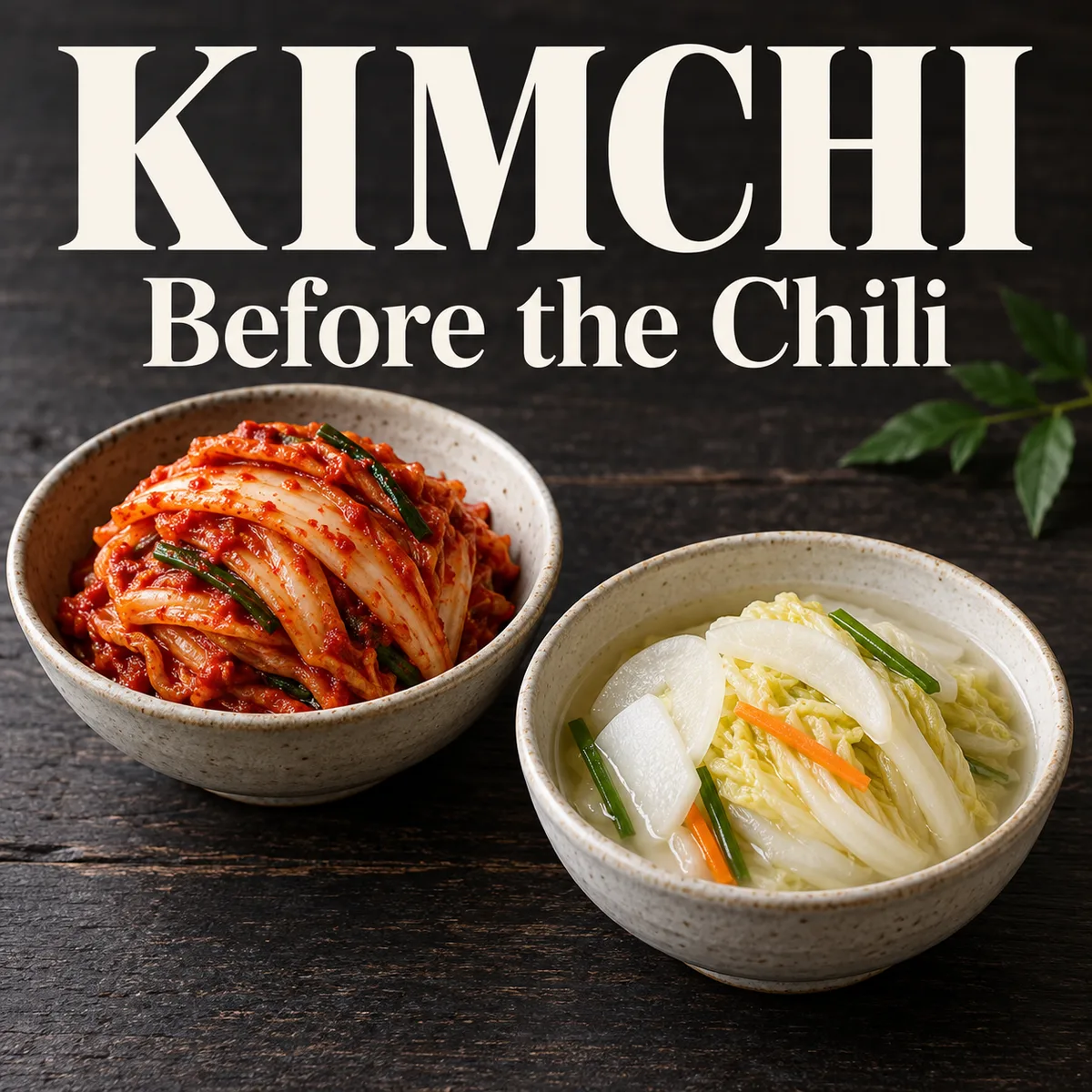
Kimchi Before Chili: Vegetable Preservation and the Limits of Health Claims
A bowl of red cabbage kimchi and a bowl of white kimchi belong to the same broad food tradition.