Why Koreans Eat That

Tag: Korean food

  • BTS Hangul Graphics, the Gwanghwamun Wrap and the BTS Meal’s Sauces

    BTS Hangul Graphics, the Gwanghwamun Wrap and the BTS Meal’s Sauces

    A Korean word on food packaging can make a collaboration recognizable before the first bite. But the lettering and the recipe tell different stories. BTS’s Hangul graphics and the BTS Meal are a useful case: one concerns the visual identity a customer sees, the other the flavor a customer can taste.

    The font question needs that same distinction. NEWSIS’s October 2021 report describes HYBE’s Hangul graphic developed from BTS’s logo and its use on merchandise. This supports the existence of a company-backed lettering design; it does not establish a freely downloadable general-purpose font file.[2]

    What the Gwanghwamun announcement actually says

    Kyobo’s March 17, 2026 release describes a new BTS collaboration on its Seoul headquarters, with a ninety-by-twenty-one-metre wrap. It says the design draws on the Korean flag’s four trigrams and reflects the new album’s design elements in its lettering and colors.[1]

    That is the documented design explanation. The announcement does not provide a font-file comparison with the 2021 merchandise lettering, or an explanation that a particular typeface was rejected. Similar Hangul, a familiar band name and a new campaign do not make every design the same asset.

    Kyobo calls this its third collaboration with BTS, following the earlier lyric panels and a hundredth-board milestone. The recurring partnership is documented; the claim that all three used one identical font is a different claim, requiring design evidence.[1]

    The food connection is more concrete when the record identifies an edible component. McDonald’s May 2021 announcement points to Sweet Chili and Cajun dipping sauces inspired by recipes from its South Korean restaurants. That recipe route can be understood without treating a logo as proof of culinary origin.[3]

    The March 2026 wrap announcement describes album design elements and flag trigrams.
    The March 2026 wrap announcement describes album design elements and flag trigrams.

    A sauce carried a smaller, specific connection

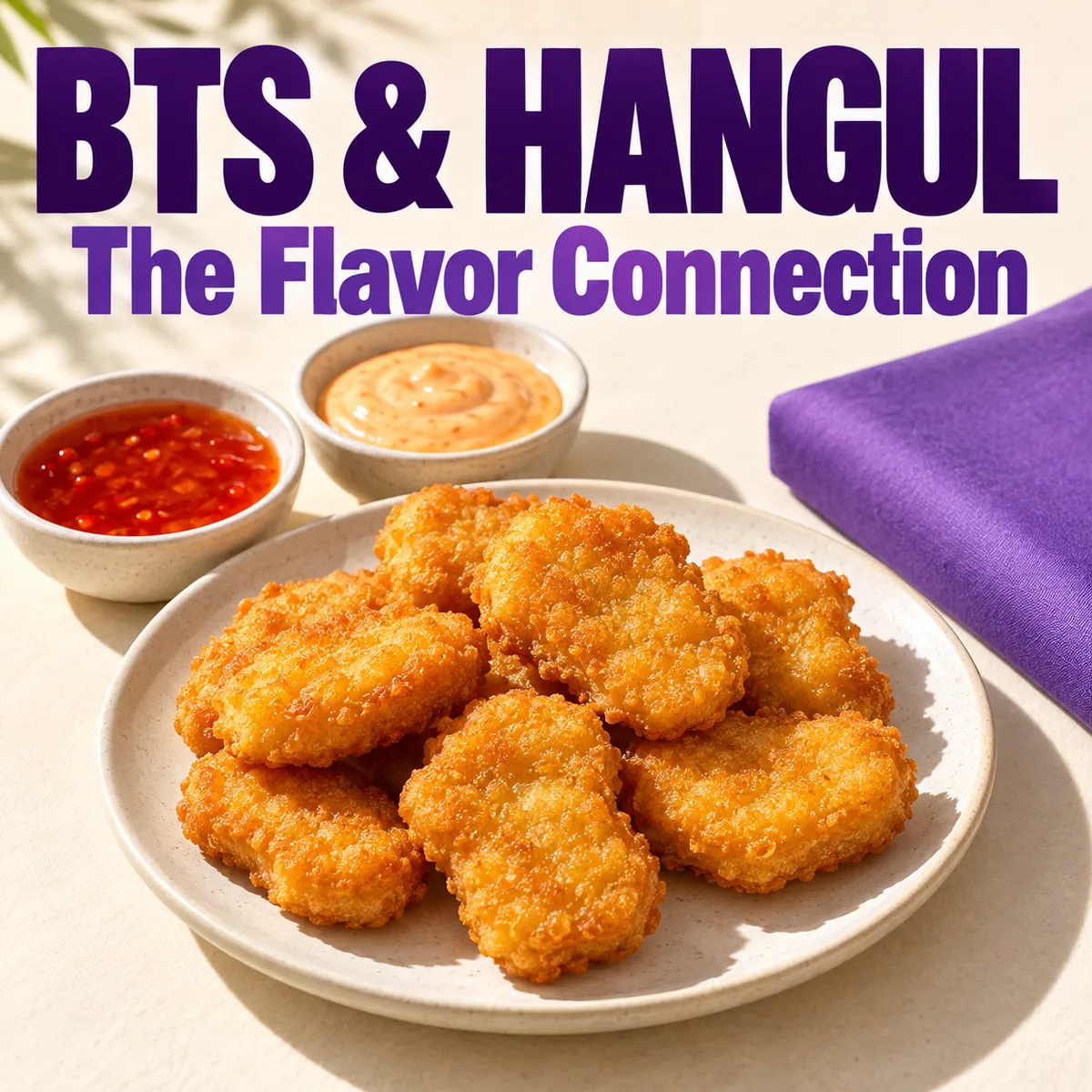
    The U.S. BTS Meal announcement lists ten Chicken McNuggets, medium fries, a medium Coca-Cola and the two sauces. Those details describe the announced U.S. serving, rather than a guarantee that every participating market had an identical order.[3]

    A familiar nugget makes an accompaniment easy to compare. You can recognize the base food and then notice what a sauce changes in the next bite. The novelty can sit in a small container without changing the entire meal.

    That connection traces commercial sauce recipes through a Korean restaurant market. It does not give Korea ownership of either flavor category.

    Ask the questions separately: what is the flavor called, where was this version sold, and how did the collaboration distribute it? Collapsing those questions into a single national label loses the most interesting part of the story.

    The company linked the two sauces to recipes from its South Korean restaurants.
    The company linked the two sauces to recipes from its South Korean restaurants.

    Lettering gives recognition; sauce changes a bite

    A graphic helps a customer identify the occasion. Letter shapes, color and arrangement can connect a package to a band even before the contents are opened. That visual recognition is an experience of the collaboration in its own right.

    The edible experience begins somewhere else. Dip the same base food into a sauce and the bite can acquire a different balance of sweetness, acidity, heat or richness. Packaging does not describe those sensations for you.

    The company’s announcement also documents merchandise designed around the meal and the band’s colors. A collectible item and an edible order can belong to the same campaign while serving different purposes.[3]

    This distinction helps with other celebrity food products too. A recognizable name can explain why a customer notices an item. The ingredient list, preparation and actual taste explain what the food offers after that first recognition.
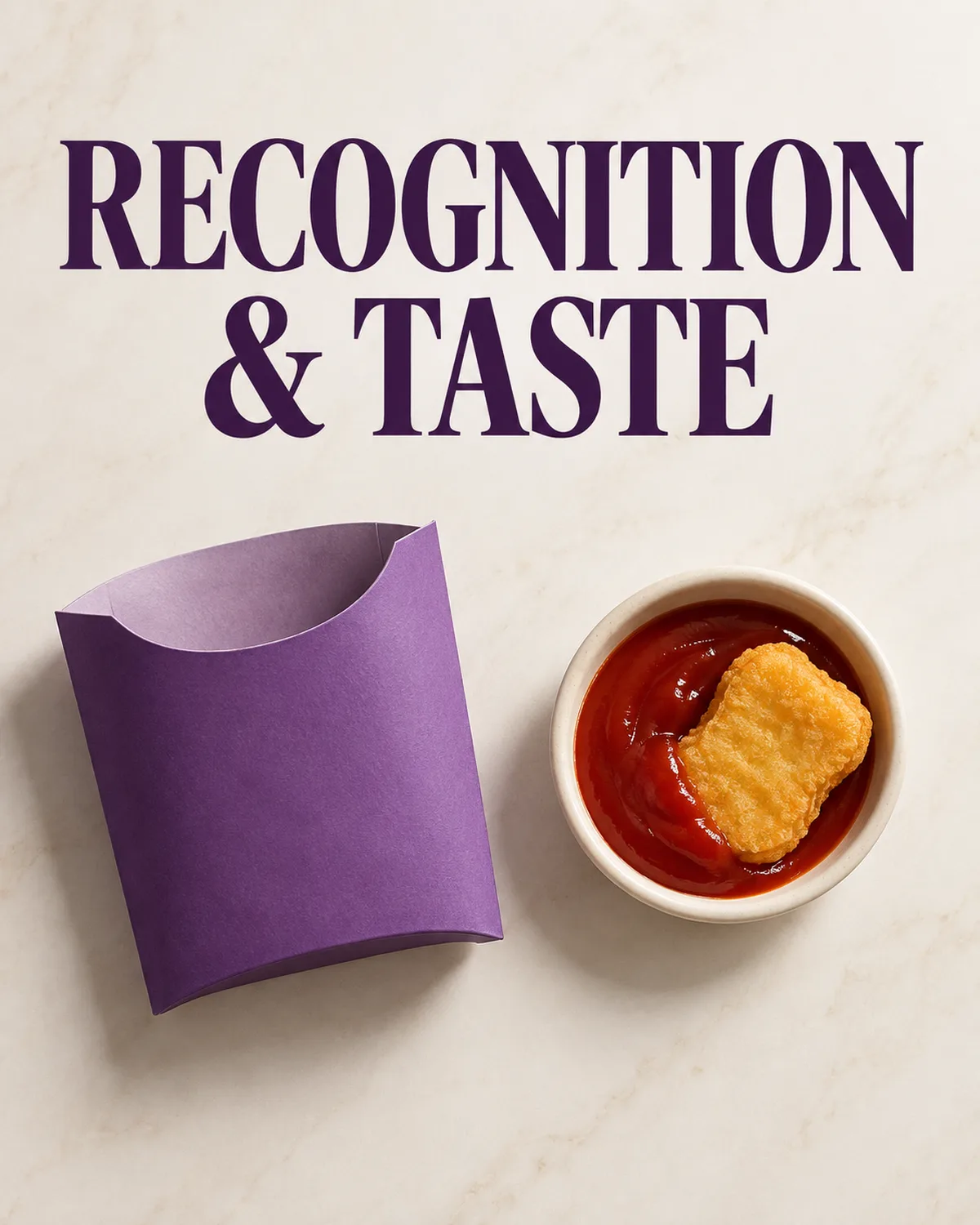
    The campaign’s visual identity and the flavor of the food answer different questions.
    The campaign’s visual identity and the flavor of the food answer different questions.

    Compare accompaniments without inventing the formula

    A sauce served separately gives the diner some control over the bite. Where the serving allows it, begin with the base food, try a little of one accompaniment, then compare the other. There is no compulsory correct sequence.

    Notice one change at a time. Does an accompaniment add sweetness, tang, warmth or a stronger aroma? Does a light dip let more of the crust remain distinct? A simple comparison can be more informative than covering every piece immediately.

    A similar color or name does not establish the branded formula. Home recipes and copycat versions should be understood as those cooks’ preparations unless the company has supplied the actual formulation.

    For ingredients that matter to you, use the product information for the specific place and purchase date. A sauce name cannot disclose every ingredient, and information from another market may not describe the item in front of you.

    A small dip lets the base food and accompaniment remain distinct.
    A small dip lets the base food and accompaniment remain distinct.

    A Korean connection can travel in more than one way

    Here, distribution carried a flavor connection inside a familiar order.

    Dalgona offers a different relationship between entertainment and food. The candy-making and shape-cutting game became recognizable to new audiences through a screen story. The food and the act of playing with it were part of what drew attention.

    These cases invite different questions. For a licensed meal, ask about the announced recipe and participating market. For a candy associated with a show, ask about the food-making technique and game. An artist name or entertainment link alone does not make those food stories interchangeable.

    They also suggest a more enjoyable approach to a familiar menu. Follow the specific part that interests you: a dipping sauce, a candy texture or a new serving format. You can take that curiosity further without turning every branded item into a national symbol.

    A candy game and a licensed meal connect food and entertainment in different ways.
    A candy game and a licensed meal connect food and entertainment in different ways.

    Read the design and the food on their own terms

    The 2021 U.S. announcement and its June update describe a promotion ending June 20, 2021. It is an archive, not a current menu promise. Historical packaging can be interesting while the actual product is no longer on sale.[3]

    The Gwanghwamun design question is best answered by the documented campaign explanation, while the BTS Meal’s food connection is best answered by the recipe statement. Keep both records specific: lettering tells you which occasion you recognize, and a sauce gives you something to discover in the bite.

    The U.S. BTS Meal record describes a promotion that ended in June 2021.
    The U.S. BTS Meal record describes a promotion that ended in June 2021.

    Follow the edible connection

    Sources and reading

    1. Kyobo Life — March 17, 2026 BTS Gwanghwamun wrap announcement
    2. NEWSIS — HYBE’s Hangul graphic merchandise announcement, October 9, 2021
    3. McDonald’s — BTS Meal announcement, May 26, 2021
  • Stray Kids, God’s Menu and Korean Meals: What the Sources Actually Show

    Stray Kids, God’s Menu and Korean Meals: What the Sources Actually Show

    Cooking gives Stray Kids a language for describing music. In a June 2020 GRAMMY.com interview, Bang Chan explained the double meaning of God’s Menu: a divine menu and a new menu. Making something new in the kitchen offered an image for the group’s creative process.[4]

    The food connection has a domestic scale as well. In the same dated interview, Felix remembered eating together during the trainee years and described cooking for the team and baking brownies. Those memories explain a relationship with preparing food; they do not supply a current list of the members’ favorite dishes.[4]

    A menu is also an arrangement of differences. A diner notices a springy noodle beside a soft vegetable, a warm main beside a cool accompaniment, and a plate to share beside an individual bowl. That makes cooking a useful comparison for combining distinct contributions. It is an interpretation of the metaphor, not a claim that the song encodes a particular recipe or assigns one ingredient to each member.

    Cooking, shared meals and the limits of the record

    The interview is the source for the cooking story. Later business announcements answer different questions: JYP’s 2024 note records early renewal; the RUN IT page names a 2026 release and tour; the 2027 Season’s Greetings notice concerns merchandise. These records should not be exchanged for an invented farewell announcement or a private menu.[1][2][3]

    A shared meal gives the metaphor an ordinary foundation: somebody prepares food, somebody helps serve it, and others bring their attention to the table. That comparison does not turn a dinner into evidence about contracts.

    The following food ideas are ways to explore that cooking metaphor. They are not dishes endorsed by the group or a reconstruction of their dorm menu.

    Build a real meal without inventing a celebrity menu

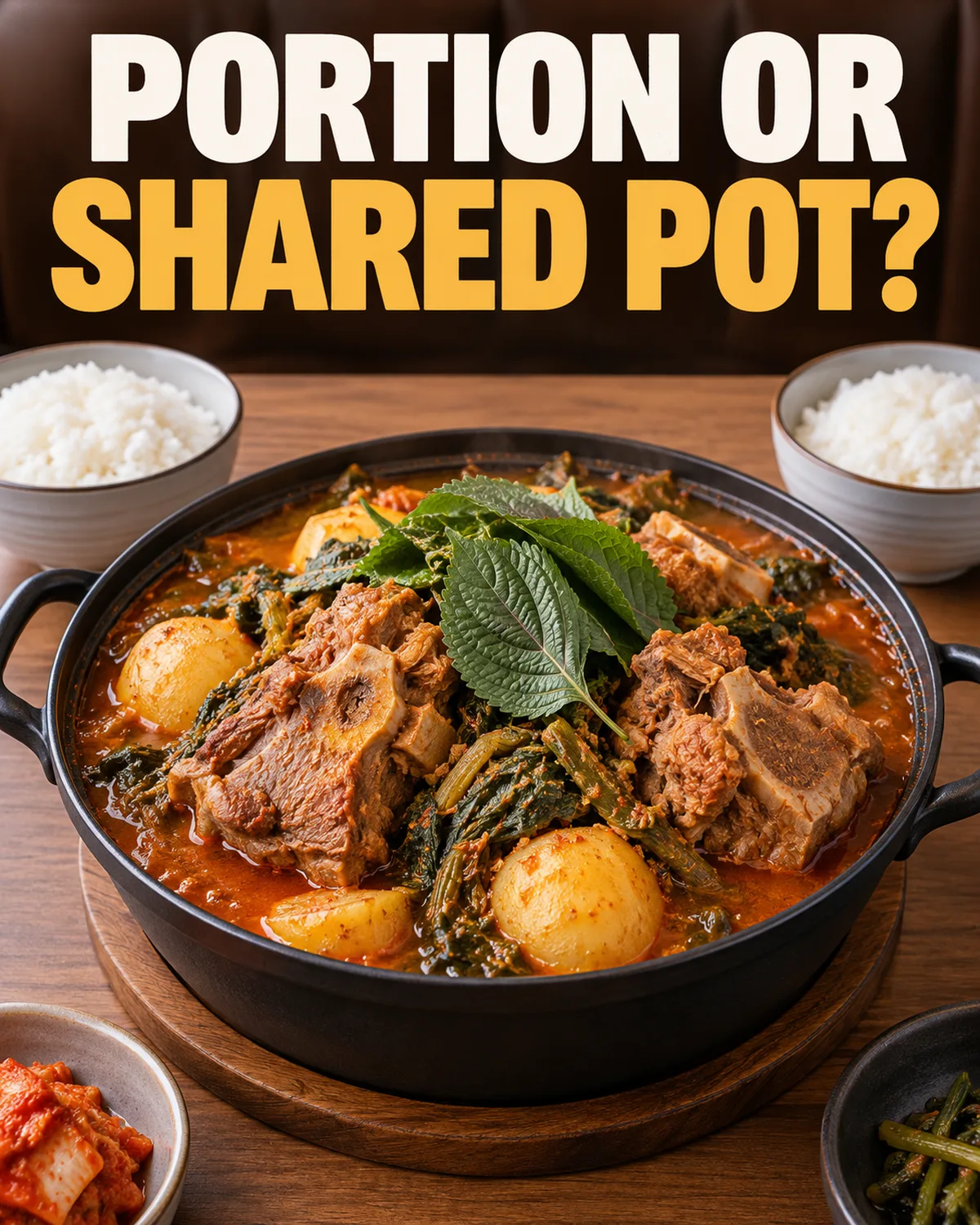
    Start with the number of diners and the serving arrangement. At a Korean table, distinguish a shared platter from an individual bowl before ordering more. That practical question tells you more about the meal than an unverified celebrity recommendation.

    Look for contrast rather than quantity alone. A warm rice bowl, a main preparation and small accompaniments can offer different temperatures, textures and intensities. Choose what suits the people eating, including their dietary needs.

    Shared platters and individual bowls help organize a meal.
    Shared platters and individual bowls help organize a meal.

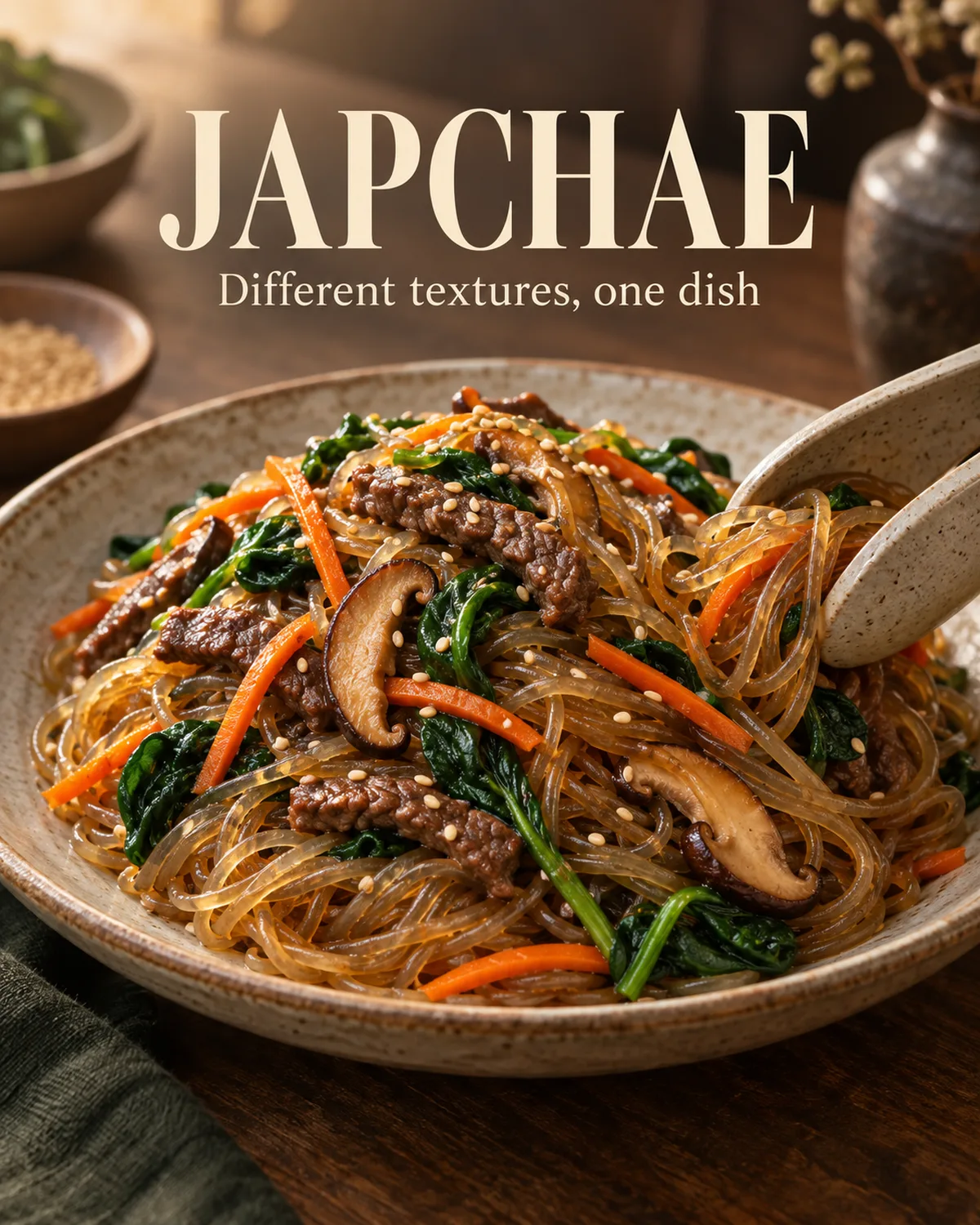
    Japchae offers a useful example of ingredients coming together while retaining different textures. That is an editorial analogy to creative combination, not a claim that the song assigns a member to a noodle or vegetable.

    For a small gathering, ask which dishes should arrive hot and which can be served alongside them. Dividing preparation and serving work makes it easier to enjoy the meal together.

    Keep the two kinds of evidence distinct: official notices answer questions about announced activity, while the 2020 interview explains a cooking metaphor. Both are more interesting when they are allowed to say exactly what they say.

    Choose the dishes and serving plan for the people actually eating.
    Choose the dishes and serving plan for the people actually eating.

    Explore the food comparisons

    Sources and reading

    1. JYP Entertainment — 2024 second-quarter earnings note, August 16, 2024
    2. Stray Kids official discography — RUN IT, June 24, 2026
    3. Stray Kids official notice — 2027 Season’s Greetings, September 29, 2026
    4. GRAMMY.com — Stray Kids interview, June 29, 2020
  • The East Palace and Joseon Food Storage: Salt, Jang and the Royal Pantry

    The East Palace and Joseon Food Storage: Salt, Jang and the Royal Pantry

    A salt storehouse is a surprisingly useful doorway into Korean food history. The royal meal needed seasonings long before a finished tray appeared. A jar, a storage room and the work of receiving supplies can explain more about everyday cooking than a spectacular banquet alone.

    The East Palace offers a fictional doorway to that subject: Netflix’s description of its second episode mentions a salt-storehouse ghost. Its official page lists a 2026 horror limited series starring Nam Joo-hyuk, Roh Yoon-seo and Cho Seung-woo, with Choi Jung-kyu, Kwon So-ra and Seo Jea-won credited as creators.[1]

    Read the horror premise before the popularity claim

    Netflix’s synopsis pairs a man who can enter the spirit world with a court lady who hears the dead, summoned into the palace by the king. That combination gives the story a supernatural mystery within a royal setting. The official page lists eight episodes.[1]

    Those descriptions help a reader decide whether the premise appeals to them. A claim that the series is trending globally needs something else: a named chart, reporting week and measure. The series page establishes the program and premise, rather than a dated worldwide popularity ranking.

    The fictional salt-storehouse episode opens a separate question about palace food storage.
    The fictional salt-storehouse episode opens a separate question about palace food storage.

    The historical storehouse has a food job

    The National Palace Museum’s 2024–2025 royal-cuisine exhibition identifies jang-go and yeom-go among palace storage spaces for jang, salt and jeotgal. It places these seasonings within a wider system of kitchens, tools and service.[2]

    The exhibition describes Saongwon as the office receiving and supplying royal-food ingredients. Cooking had specialized workers, including people making rice, grilling fish and meat, producing tofu and preparing rice cakes.[2]

    Its kitchen account distinguishes sojubang cooking spaces, suragan preparation and arrangement, and saenggwabang lighter foods and refreshments. This vocabulary identifies work, rather than a single room in which every palace meal was made.[2]

    The exhibition also explains that seafood could be dried or made into jeotgal for transport, and that ice was sometimes used. Arriving ingredients underwent inspection. The record does not identify one universal preservation method for every food.[2]

    The museum identifies storage for jang, salt and jeotgal within palace food work.
    The museum identifies storage for jang, salt and jeotgal within palace food work.

    Follow the seasoning rather than the ghost

    A fictional storage room can carry suspense because it is removed from the visible ceremonial table. For a food reader, its historical interest lies in what had to be ready before cooking began: ingredients, containers, tools and people who could connect them.

    Ask three questions about a finished dish. Which ingredient supplies its main flavor? At what stage is it added? What work had to happen before it was ready to use? These questions move attention from the decorative table to the preparation.

    A soup seasoned with soy sauce offers an accessible example. The liquid seasoning can disappear into the broth, leaving no visible portion to count on the plate. Its absence from the photograph does not make its contribution small.

    This is a way of reading food, not a reconstruction of a palace recipe. A storehouse label alone cannot identify the quantities, aging times or sequence used for an undocumented royal dish.

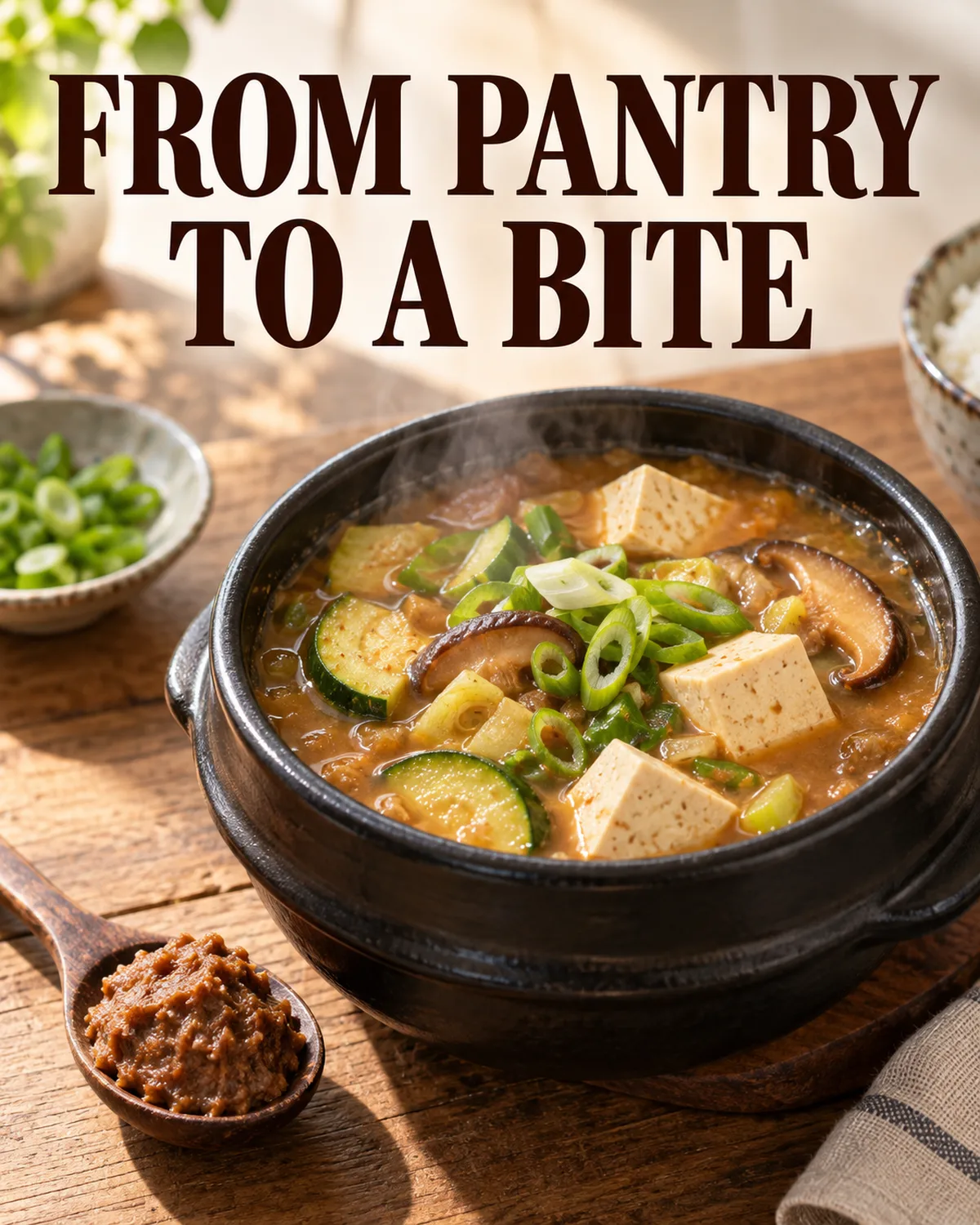
    A seasoning can shape a soup while remaining hard to see in a photograph.
    A seasoning can shape a soup while remaining hard to see in a photograph.

    Jang is a practice before it is a condiment

    UNESCO’s 2024 jang-making inscription describes a process encompassing ingredient preparation, fermentation, aging, storage and consumption. It includes soybean paste, soy sauce and red-chili paste, and notes that household sauces can differ.[3]

    The same description connects transmission with families and community teaching. This living practice adds a useful perspective to storage: keeping a sauce is part of maintaining a taste and a body of knowledge. It does not establish an unchanged palace recipe stretching into the present.[3]

    At a modern meal, notice what a sauce does. Doenjang can supply depth to a soup, while soy sauce can season vegetables or form part of a dip. The dish, recipe and product determine how each is used.

    Do not assume that two products with the same broad name will taste identical. Read the ingredient list, follow the storage instructions and use the quantity required by the recipe you are cooking. Historical interest is a reason to pay closer attention to those differences.

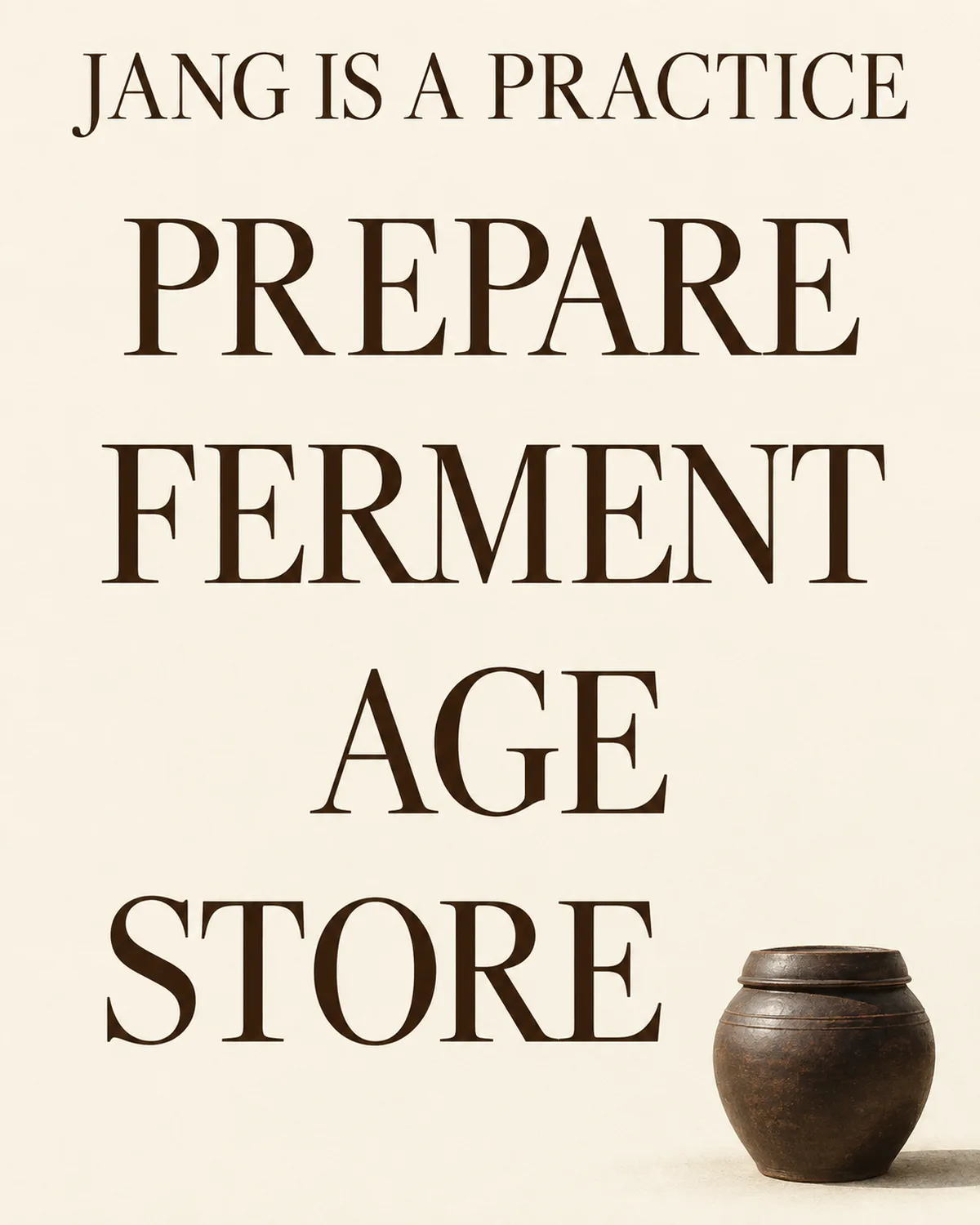
    Making, fermenting, aging and storing belong to the jang-making tradition.
    Making, fermenting, aging and storing belong to the jang-making tradition.

    Try the pantry question at an ordinary table

    Start with one dish rather than assembling an imagined royal spread. With a vegetable jeon, for example, compare a small bite on its own with a bite lightly dipped in the sauce served beside it. The crisp edge and the seasoning become separate things to notice.

    For a soup, taste the broth before adjusting it. If the recipe already contains a salty paste or sauce, that ingredient belongs to the seasoning decision even when you cannot see it. Additional salt should respond to the actual dish.

    When ordering, ask what goes into the broth or dip if an ingredient matters to you. A soy-based seasoning may also contain wheat, and a sauce can contain other additions. The name of a dish cannot replace information about its preparation.

    These are contemporary eating suggestions. They offer a small experience of how stored seasonings become part of a meal without pretending to reproduce the food eaten by a particular king.

    Taste the food and its seasoning as separate parts of the bite.
    Taste the food and its seasoning as separate parts of the bite.

    Keep the exhibition and the episode in their own time

    The museum page records an exhibition held from November 20, 2024 to February 2, 2025; it is an archive to read, rather than a promise that the same display is open today. Netflix’s episode description belongs to the series. Neither can stand in for the other’s evidence.[2]

    The food detail survives that separation. Fiction makes the storehouse a place to fear; food history makes it a place to investigate. Follow the seasoning from storage to preparation to a bite at the table, and the quieter palace story comes into view.

    The quieter food story runs from storage through preparation to the meal.
    The quieter food story runs from storage through preparation to the meal.

    Continue from pantry to plate

    Sources and reading

    1. Netflix — The East Palace official series and episode descriptions
    2. National Palace Museum — Joseon’s Royal Cuisine, 2024–2025 exhibition record
    3. UNESCO — Decision 19.COM 7.b.3, jang-making inscription, 2024
  • BTS ARIRANG: Separate Concert, Grammy and Food-Collaboration Records

    BTS ARIRANG: Separate Concert, Grammy and Food-Collaboration Records

    A coffee, a pastry and a restaurant meal can each carry the name of a music event, yet offer quite different experiences. BTS’s ARIRANG activity provides a useful way to read those connections: separate the music news from the actual food offered, then look beyond the commemorative package.

    First, the Grammy reference needs a date. Associated Press reported on July 29, 2026 that BTS would not submit music for consideration at the forthcoming 2027 awards. That concerns the submission process, rather than an account of skipping a ceremony that July.[1]

    The Boston reference and the award decision have separate records

    Gillette Stadium’s event archive lists August 5 and 6, 2026 BTS shows at the venue in Foxborough, Massachusetts, with an in-the-round stage. The venue record establishes the advertised concert dates and format; it does not establish that a Boston-area performance replaced a Grammy appearance.[3]

    The Recording Academy describes Best Asian Pop Music Performance through genre and language criteria, rather than an artist’s ethnicity. Its category explanation says entirely English-language recordings are ineligible for that category, while remaining eligible for other appropriate categories. Those rules and a band’s submission decision are different questions.[2]

    Arirang also has a history beyond this album campaign. UNESCO’s December 2012 inscription announcement describes a Korean folk-song tradition shaped collectively, with regional variations and room for new lyrics. A heritage account cannot verify what a particular concert audience sang.[4]

    For the food story, there is a more specific public record: HYBE’s THE CITY ARIRANG SEOUL collaboration notice. It documents food, beverage and hotel partners in March and April 2026. These were Seoul-area campaign arrangements, not a list of Boston concert concessions.[5]

    The submission announcement and the venue archive describe separate events.
    The submission announcement and the venue archive describe separate events.

    Read a collaboration as a dated offer

    The April 13 update lists Compose Coffee’s selected Seoul and Goyang branches for March 20–April 13, and artisée’s company-operated Seoul and Gyeonggi branches for March 20–April 19. The branch qualifications matter as much as the brand names.[5]

    Restaurant participation also had limits. The notice names twenty-one Chung Ki Wa Town branches and CUCHARA’s company-operated Seoul and Gyeonggi branches for March 20–April 19. It separately lists an Ourhome airport collaboration at Incheon’s two terminals for March 20–April 13.[5]

    By October 2026, those announced windows are past. An old campaign image should therefore be read as a record of an offer, rather than confirmation that a nearby branch still sells it. Check the current menu directly if the product itself is your reason to visit.

    Keep the question precise: was a branch participating, was a particular item available, and was the benefit tied to a purchase? A brand appearing in a notice does not answer every question about its menu or stock.

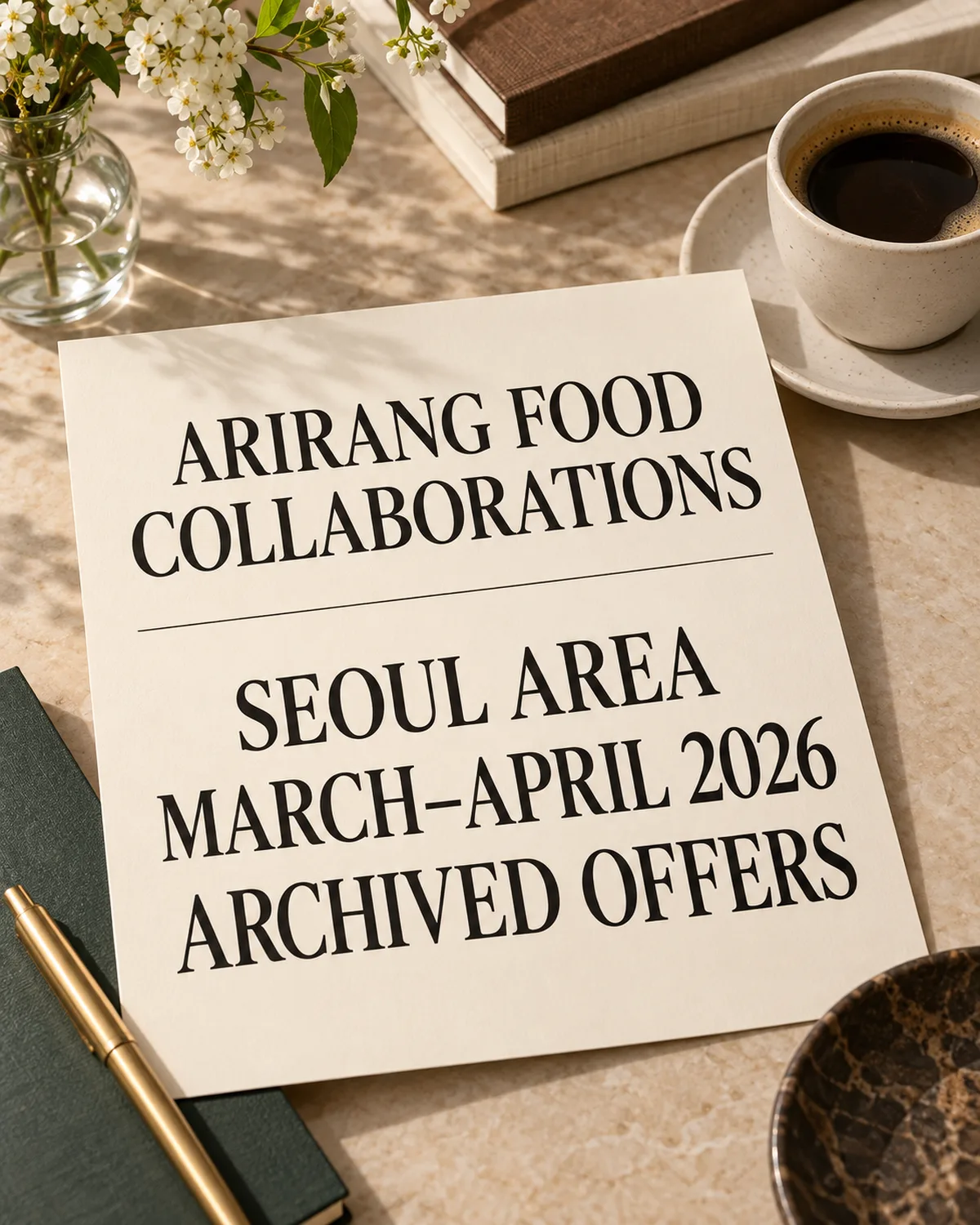
    The Seoul-area food collaboration notice records March and April 2026 offers.
    The Seoul-area food collaboration notice records March and April 2026 offers.

    The drink is still a drink after the sleeve is saved

    With a cafe collaboration, the edible part and the collectible part can be evaluated separately. Cup artwork may make the order memorable, while the drink’s coffee, milk, sweetness and size determine whether you enjoy drinking it.

    Read the actual drink description before ordering. An illustrated cup cannot tell you whether the menu item is black coffee, a milk drink or something else, and a campaign name is not an ingredient list.

    A useful comparison is with an ordinary drink you already know at that shop. Ask what changes in the contents, what changes in the presentation and what changes in the price. The answer may be different for each.

    There is no need to infer an artist’s personal favorite from a branded cup. The public collaboration documents a promoted customer offer. It gives a fan a way to take part without documenting a private breakfast.

    The drink and the commemorative presentation offer different kinds of enjoyment.
    The drink and the commemorative presentation offer different kinds of enjoyment.

    A bakery visit should include a pastry decision

    A pastry has qualities that a souvenir cannot supply: the crust, filling, texture and portion you actually eat. A box can identify the occasion, but the food inside still deserves its own attention.

    Choose by the item’s description and what you want from the visit. A small sweet alongside coffee serves a different purpose from a savory pastry intended as a meal. More elaborate packaging does not settle that choice.

    If you plan to take it away, read the product’s storage directions and ask how it should travel. Cream, fillings and coatings may require different handling. The branded box should not replace the bakery’s instructions.

    Sharing can also be part of the occasion. Agree on whether you are buying a portion to eat together or an object to keep before ordering several items simply because the display looks complete.

    Texture and filling belong to the food decision, beyond the package.
    Texture and filling belong to the food decision, beyond the package.

    A restaurant and a hotel offer different kinds of participation

    A restaurant collaboration can turn the event into a sit-down meal. The menu, portion basis and what accompanies an order matter more to that experience than the campaign name alone. Ask the branch what is included before building a whole table from a promotional photograph.

    Food preferences belong in that conversation too. Check broth, sauce and preparation information when an ingredient matters. A familiar restaurant brand cannot answer those questions for every dish or branch.

    The notice also lists hotel food-and-beverage arrangements. Paradise Hotel & Resort, JW Marriott Dongdaemun Square Seoul and The Westin Seoul Parnas had March 20–April 19 windows; Seoul Dragon City’s listed food-and-beverage window was April 3–April 18.[5]

    A hotel food offer and a room package are separate purchases. Confirm the actual booking terms, dining access and included items instead of treating a hotel’s participation as a promise that any cafe purchase includes campaign accommodation benefits.

    Check the menu and what accompanies an order at the actual participating branch.
    Check the menu and what accompanies an order at the actual participating branch.

    Keep the food connection specific

    An expired promotion can still teach a useful way to read celebrity food coverage. Identify the partner, branch scope, offer period and actual edible component. Then distinguish those details from the artwork, merchandise and music story that make the offer recognizable.

    For ARIRANG, the strongest food evidence is the dated collaboration notice, while the award and concert references require their own records. That separation leaves room to enjoy a drink, pastry or dinner for what it tastes like, without asking a campaign label to prove more than it can.

    The food itself remains part of the occasion after a campaign ends.
    The food itself remains part of the occasion after a campaign ends.

    Continue from collaboration to food

    Sources and reading

    1. Associated Press — BTS decision concerning the 2027 Grammys, July 29, 2026
    2. Recording Academy — Best Asian Pop Music Performance category rules
    3. Gillette Stadium — BTS August 5–6, 2026 event archive
    4. UNESCO — Arirang inscription announcement, December 5, 2012
    5. HYBE — BTS THE CITY ARIRANG SEOUL food, beverage and accommodation collaboration notice, updated April 13, 2026
  • BTS Concert Visitors in Goyang: What the Data Means for a Korean Meal Plan

    BTS Concert Visitors in Goyang: What the Data Means for a Korean Meal Plan

    A concert neighborhood has to feed people whose clocks are suddenly synchronized. For a visitor, the practical question is whether to sit down to a bowl, carry a rice roll or make a shared dinner part of the evening. The serving format matters as much as the name on the restaurant sign.

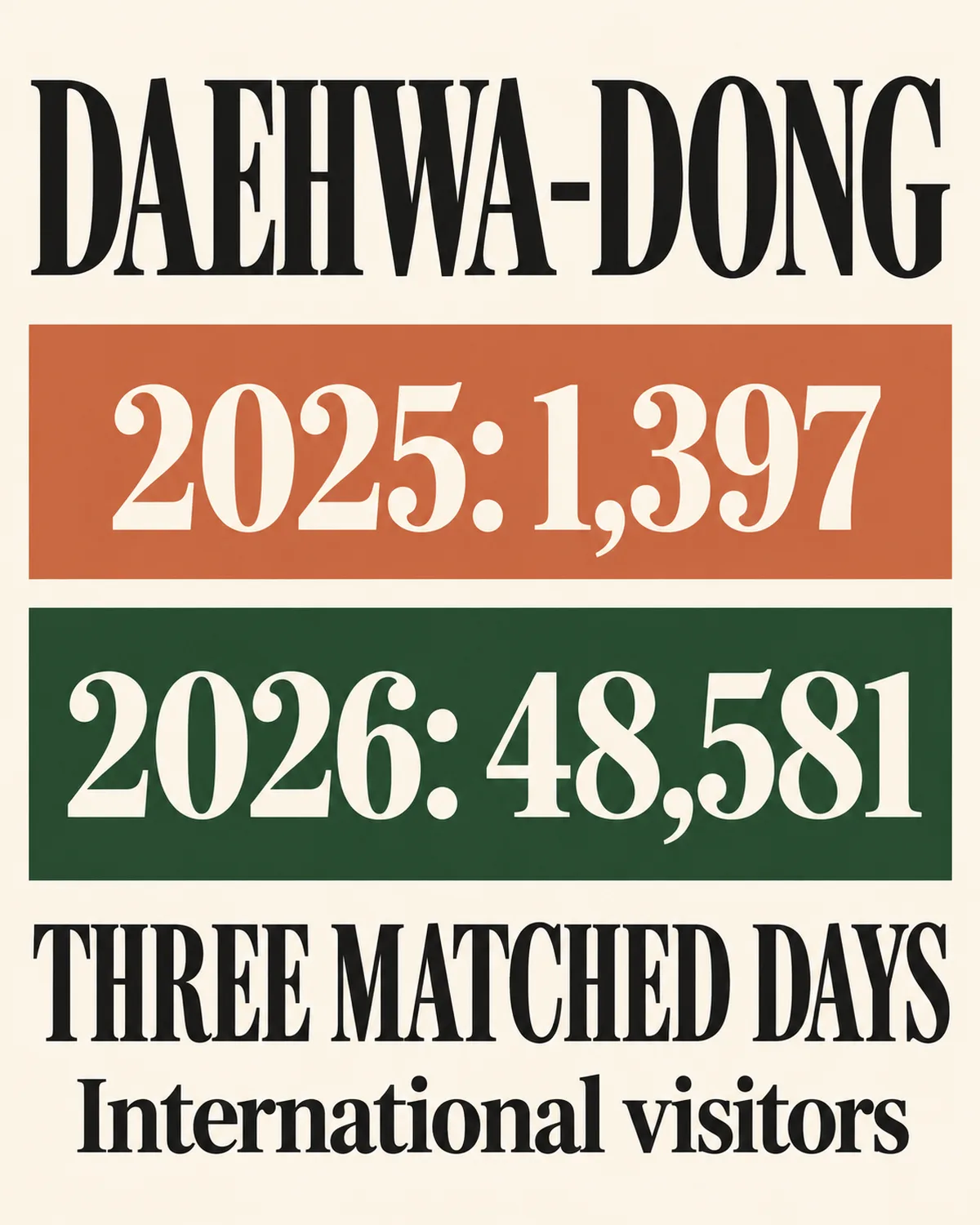
    The BTS neighborhood effect has a measured example. MCST’s April 30, 2026 release reported 48,581 international visitors in Daehwa-dong across the April 9, 11 and 12 Goyang concert days, against 1,397 across three comparable days in 2025. It was a year-on-year comparison, not a count of permanent residents or a typical weekend.[1]

    What the neighborhood figures actually compare

    For the same comparison, international visitor card spending rose from KRW 8.9 million to KRW 337.8 million. The release identifies mobile-network and card data as the basis. These totals describe the measured district and dates; they do not tell you the turnover of every restaurant.[1]

    A separate on-site audience survey found average stays of 8.7 days for international visitors at Gwanghwamun and 7.4 days at Goyang. That helps explain why a concert trip can include meals well beyond the stadium neighborhood.[1]

    Neither dataset proves that a specific gimbap shop sold out or that a particular cafe raised prices. Those questions need their own business records. For planning dinner, treat the concentration of visitors as a reason to leave room for queues, rather than a precise forecast for one counter.

    The food plan can have two places: a dependable meal where you are already spending the day, and a smaller fallback along the actual journey to the event. This avoids making the closest restaurant responsible for the whole evening.

    Daehwa-dong international visitor figures compare concert days with matched days a year earlier.
    Daehwa-dong international visitor figures compare concert days with matched days a year earlier.

    A bowl makes the serving decision visible

    An individual gukbap order gives each diner a recognizable main dish: soup and rice, with the exact combination determined by the menu. It can make ordering easier for a group whose members want different portions or need to leave at different times.

    Read beyond the word gukbap. A pork-based bowl, a bean-sprout soup and a beef soup have different ingredients. Rice can be served separately or already added, and the broth may come with condiments for the diner to adjust.

    Taste the soup before adding more seasoning. Notice the broth, the rice and the main ingredients as separate parts of the meal. A pale broth does not identify every ingredient, and a red one does not measure its heat for you.

    Kalguksu offers another individual serving format, with noodles in a prepared bowl. Choose it because you want that meal and have time for the restaurant’s actual service, rather than assuming that noodles guarantee a quick turnaround.

    An individual soup-and-rice meal makes the serving unit clear.
    An individual soup-and-rice meal makes the serving unit clear.

    Gimbap is portable food with a storage decision

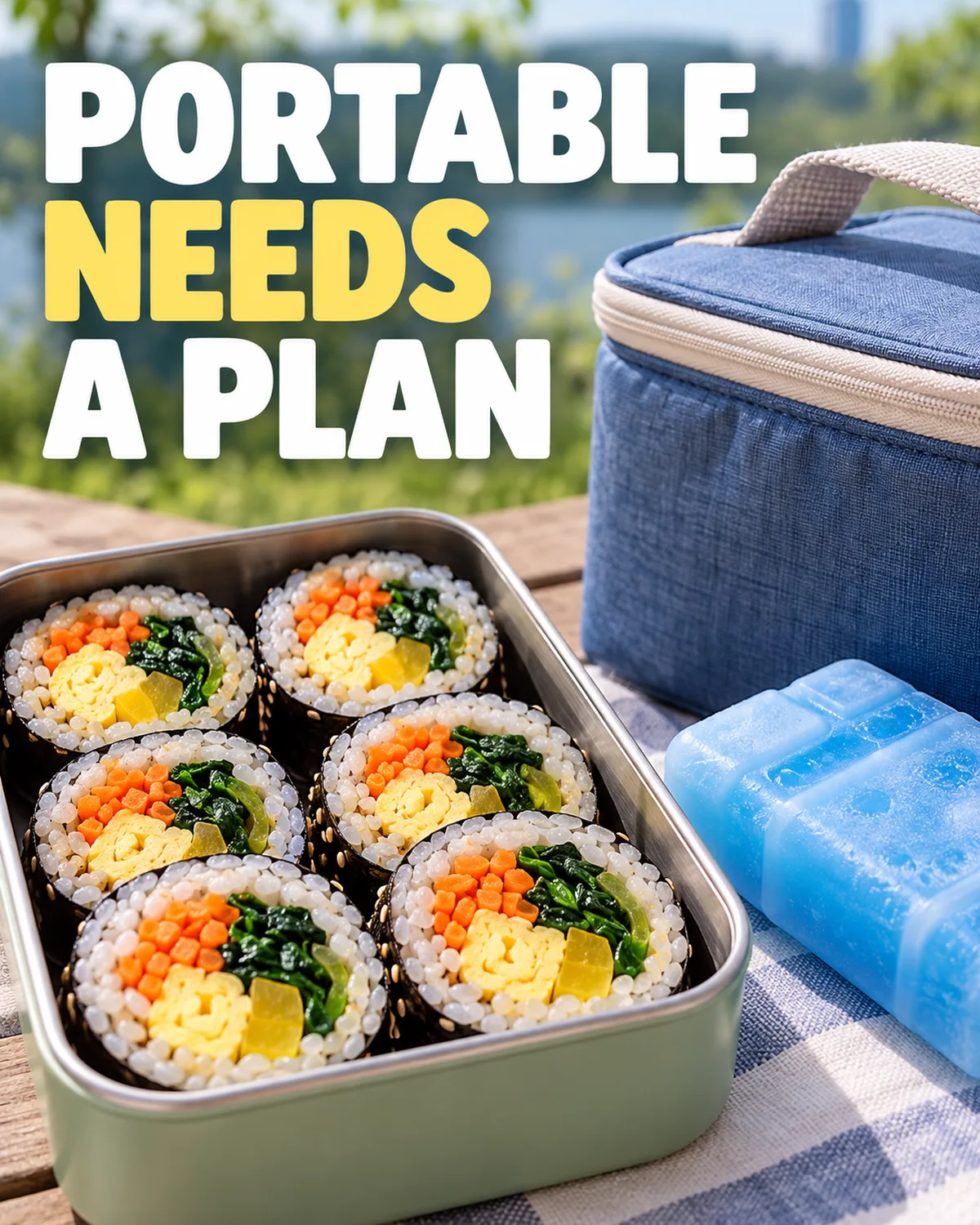
    Sliced gimbap can be divided without setting up a communal pan. Its seaweed wrapper holds rice and fillings together, which is useful when a sit-down meal is difficult. It does not show all of those fillings from the outside.

    Check the ingredients and storage directions on a packaged order. At a shop, ask what is inside before paying. Egg, fish cake, meat, sauces or shared preparation may matter even when the name emphasizes vegetables.

    USDA guidance for outdoor food handling says to keep cold perishable food at 40°F or below and hot food at 140°F or above. Perishable food should not remain between those temperatures for more than two hours, reduced to one hour above 90°F outdoors. A concert bag supplies none of that temperature control.[2]

    Choose something you can eat and store as directed. Carrying freshly prepared gimbap through a long afternoon is a different decision from buying it shortly before eating. A packaged fallback still needs its own ingredient and storage check.

    Gimbap needs appropriate storage as well as convenient packaging.
    Gimbap needs appropriate storage as well as convenient packaging.

    A shared pan asks for a shared evening

    Korean barbecue keeps part of the meal at the table. Meat cooks, pieces are divided and wraps are assembled while the group continues eating. It is enjoyable when that activity fits the evening, but awkward when one person is watching the door time.

    Ask how the menu counts an order: price per portion, minimum number of portions and what accompanies the meat. Rice and soup may be separate. A photograph of a full table cannot explain the bill for your group.

    Dakgalbi has another sequence, with chicken and vegetables cooking in a shared pan. Optional additions and a fried-rice finish can extend the meal. Decide together which stages you actually want before ordering everything pictured.

    After the concert, a shared pan can become the gathering itself. Confirm that everyone has time for it and that the restaurant is still accepting food orders. The cooking format should be a choice the table enjoys.

    Dakgalbi and its finishing stages suit a meal the group has time to share.
    Dakgalbi and its finishing stages suit a meal the group has time to share.

    Place the meal on the route you will take

    A restaurant’s position on a map is only the start. The official entrance, the path to it and the return journey determine whether a stop fits. A nearby street can still require an inconvenient detour.

    Check the current event’s arrival instructions and outside-food policy. A rice roll being easy to carry does not establish permission to take it inside, and rules from another venue do not answer that question.

    Confirm restaurant service and last-order information directly. If the queue changes the plan, switch the serving format as well as the address: an available individual bowl may work when both shared-dinner choices are busy.

    For a late meal, include the return journey in the decision before sitting down. Coffee and a small bite, a complete bowl and a long shared dinner serve different needs. Let the group choose the one that fits its appetite and available time.

    The event entrance, food stop and return journey belong in the same decision.
    The event entrance, food stop and return journey belong in the same decision.

    Let ingredient questions come before cooking

    Ask early about broth, sauces and preparation when an ingredient matters to you. Removing a visible topping cannot remove an ingredient that has entered the soup or seasoning. For a serious allergy, obtain preparation information from the provider.

    The neighborhood figures show a concentrated event with a wider travel footprint. Your own meal can stay simpler: choose a serving format, identify one realistic fallback and leave enough room to enjoy the food before the first song or after the last.

    A dependable meal and a realistic fallback help the evening stay flexible.
    A dependable meal and a realistic fallback help the evening stay flexible.

    Choose a meal for the rest of the trip

    Sources and reading

    1. MCST — K-Culture-Linked Tourism Boosts Local Economies, 30 April 2026
    2. USDA FSIS — Barbecue and Food Safety (government PDF)
  • BLACKPINK’s 2026 Projects and a 2016 Memory of Shared Korean Meals

    BLACKPINK’s 2026 Projects and a 2016 Memory of Shared Korean Meals

    A stew shared with friends and a meal cooked at home tell a quieter BLACKPINK story than a tour headline. In a November 2016 interview carried by YG LIFE, Rosé remembered cooking and eating with the members, Jennie remembered restaurant outings, and Lisa named gamjatang as a Korean dish she had discovered.[1]

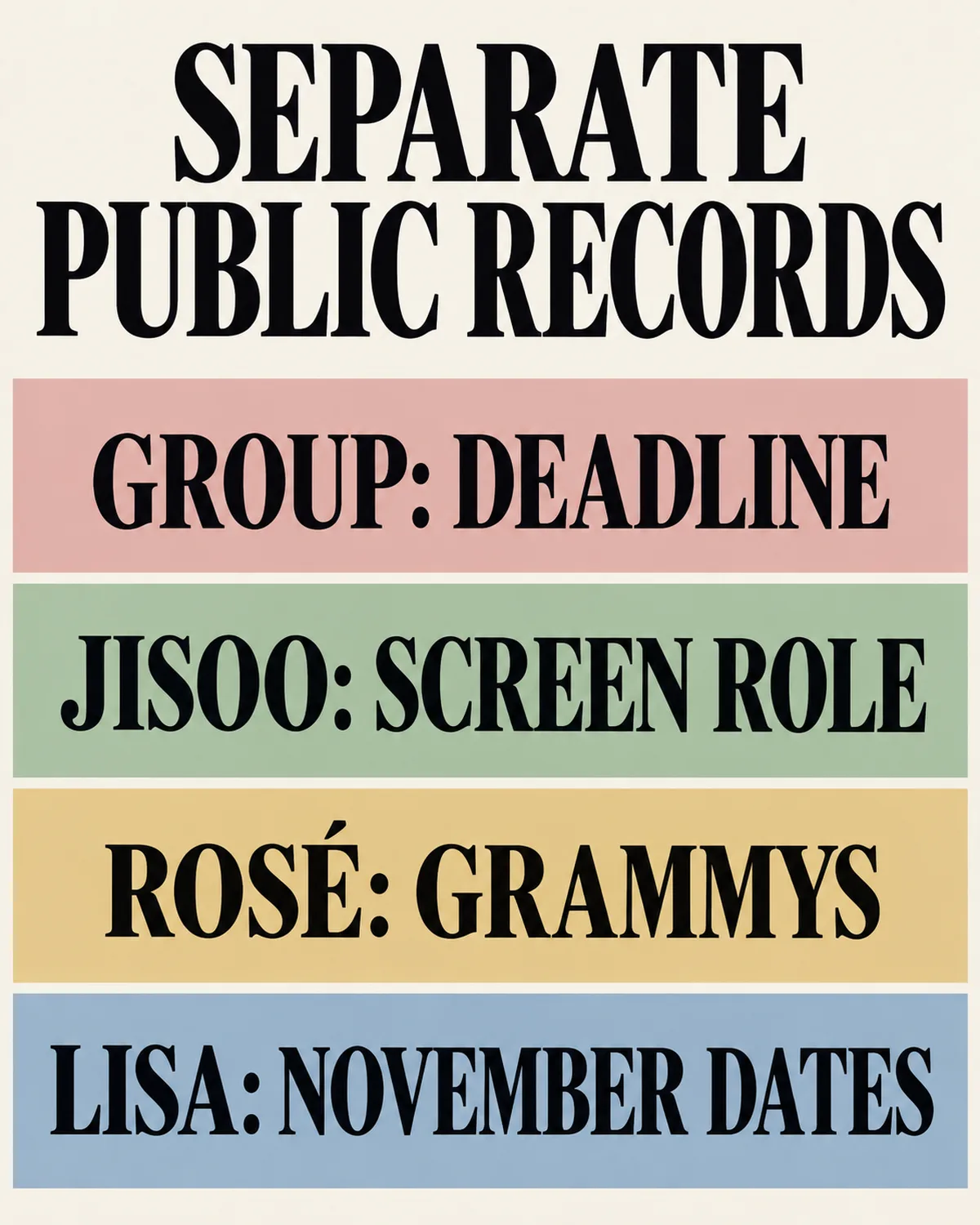
    The post-tour question has a separate, verifiable answer. YG’s official discography dates the group’s DEADLINE mini album to February 27, 2026. The members’ individual projects have their own records; a shared meal memory cannot explain their contracts or predict the group’s next schedule.[2]

    The tour and solo projects belong on a dated timeline

    YG LIFE’s January 30, 2026 report says the DEADLINE tour had concluded across sixteen cities and thirty-three shows. The January 15 announcement had listed Hong Kong’s January 24–26 dates as the final stop.[3]Tour announcement

    For Jennie, her official website checked on October 5 links to the Fallen Angel EP and its music video. For Jisoo, Netflix’s March 6 article identifies her as the lead of Boyfriend on Demand. These are identifiable projects, rather than guesses about private relationships or the order of unreleased albums.[4][5]

    For Rosé, the Recording Academy records her performance of APT. with Bruno Mars opening the 2026 Grammys. For Lisa, Caesars’ September 29 announcement lists six November 2026 Las Vegas residency dates. The November shows were still forthcoming at this source check, rather than completed performances.[6][7]

    These records answer different parts of the headline. They do not form a complete diary of the six months after the tour, and October’s source check is later than that six-month window. Follow the date of each announcement instead of treating every project as happening simultaneously.

    The album, screen role, performance and venue announcement have separate dates.
    The album, screen role, performance and venue announcement have separate dates.

    Return to the food memory at its original scale

    The 2016 recollections are worth reading without turning them into a current favorites list. Rosé described an activity, Jennie a kind of outing, and Lisa a particular dish. That is three different starting points for exploring food.[1]

    A home meal invites participation: somebody cooks, somebody sets out the dishes, and the table belongs to the people eating. A restaurant outing offers a menu and a different set of decisions about portions and sharing.

    Discovering a dish can be a third experience altogether. You learn what arrives, which part to eat first and how it differs from a familiar food. The interest is in that encounter, not in reproducing somebody’s private routine.

    For your own evening, decide which experience you want. Cooking together, trying a shared stew and stopping at a cafe are all possible pleasures, but they call for different amounts of preparation and time.

    Cooking, restaurant outings and discovering a dish offer different food experiences.
    Cooking, restaurant outings and discovering a dish offer different food experiences.

    Cooking together begins with one manageable dish

    Choose a preparation that gives everyone a clear contribution. With a vegetable jeon, one person can prepare the vegetables while another follows the batter recipe; plates and dipping sauce can be ready before cooking begins.

    Make the cooking stage the focus rather than adding dishes just to imitate a lavish table. The contrast between a crisp pancake edge, soft vegetables and a little dipping sauce is already something worth noticing.

    If rice and a few side dishes accompany the main preparation, think about their role in the bite. A crisp cucumber side contrasts with a soft main dish; a strongly seasoned side asks for a different amount from a mild vegetable.
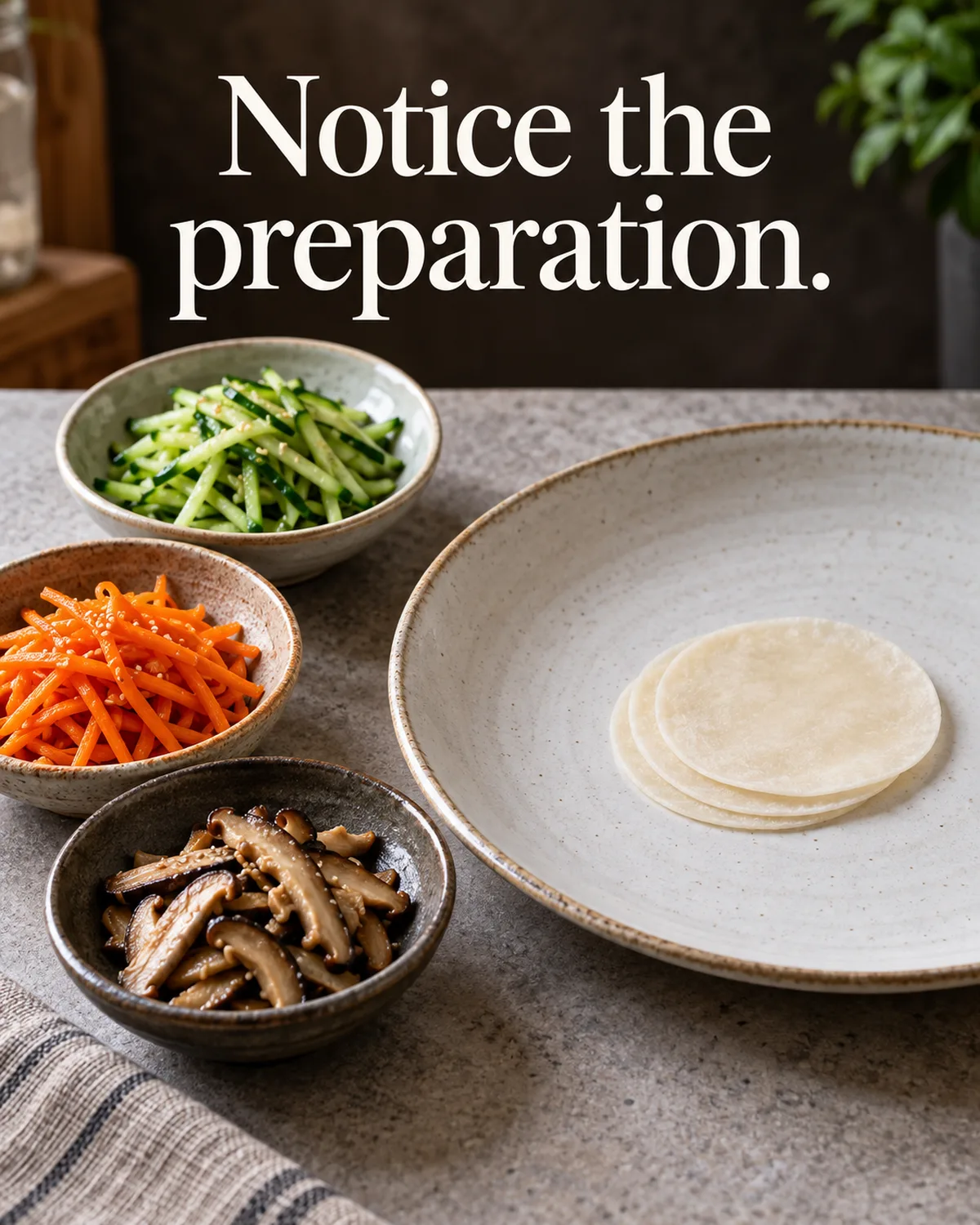
    Use a recipe with quantities and cooking instructions for the dish you choose. An interview supplies the idea of cooking together, but it does not reveal the recipe used in that home or replace directions for your own kitchen.

    A vegetable jeon gives friends a practical cooking project.
    A vegetable jeon gives friends a practical cooking project.

    A restaurant outing starts with how the menu counts

    Before choosing a shared main dish, check whether its price refers to one person, one portion or a pot for the table. A group meal works better when that unit is clear before everybody starts adding favorites.

    A pork-bone stew such as gamjatang requires another small decision: is the order a shared pot or an individual meal? Lisa’s remembered preference gives the dish a name to investigate; it does not tell you the portion offered at a restaurant today.

    Ask what comes with the order and which additions are separate. Rice, noodles or a finishing stage can change the meal. You do not need every option simply because a photograph shows them together.

    Keep the conversation about the actual menu. An unnamed restaurant in an old interview cannot become a verified destination from a neighborhood clue, and a past recollection does not establish current opening hours.

    A menu can price a portion, an individual meal or a shared pot.
    A menu can price a portion, an individual meal or a shared pot.

    Give the meal a finish that suits the evening

    A cafe can offer a different pace after dinner. Coffee and a shared sweet create a smaller decision than another main dish, especially when the table wants to keep talking.

    Yakgwa offers a useful contrast to coffee: a fried, syrup-soaked sweet whose texture and sweetness differ from a fresh pastry. Decide how much you want to share, rather than ordering a dessert for each person by default.

    The cafe need not have a celebrity connection for that contrast to work. Choose according to the menu available, the people at the table and the kind of stop you want.

    A memorable evening can remain modest: one dish cooked together, a shared main ordered with care, or a sweet divided over conversation. The details of serving make it yours.

    Coffee and a shared yakgwa offer a different pace after dinner.
    Coffee and a shared yakgwa offer a different pace after dinner.

    Keep the two stories clear

    For BLACKPINK’s public work, use dated album, broadcaster, artist and venue records. For their old food recollections, keep the November 2016 interview attached to the occasion it describes. Neither story needs to be inflated to make the other interesting.

    The durable food lesson is participation. Learn how a dish is prepared, how the menu divides portions and how the table shares it. That curiosity can lead to an enjoyable Korean meal long after a tour cycle has ended.

    Serving and sharing make an ordinary Korean meal personal.
    Serving and sharing make an ordinary Korean meal personal.

    Plan the food part of your evening

    Sources and reading

    1. YG LIFE — BLACKPINK food and friendship interview, 3 November 2016
    2. YG Entertainment — DEADLINE album, 27 February 2026
    3. YG LIFE — DEADLINE tour concluded, 30 January 2026
    4. JENNIE — Official music website
    5. Netflix Tudum — Boyfriend on Demand, 6 March 2026
    6. Recording Academy — ROSÉ and Bruno Mars, 2026 Grammy performance
    7. Caesars Entertainment — LISA residency announcement, 29 September 2026
  • Baek-Kimchi: White Kimchi, Its Brine and the History Before Red Chili

    Baek-Kimchi: White Kimchi, Its Brine and the History Before Red Chili

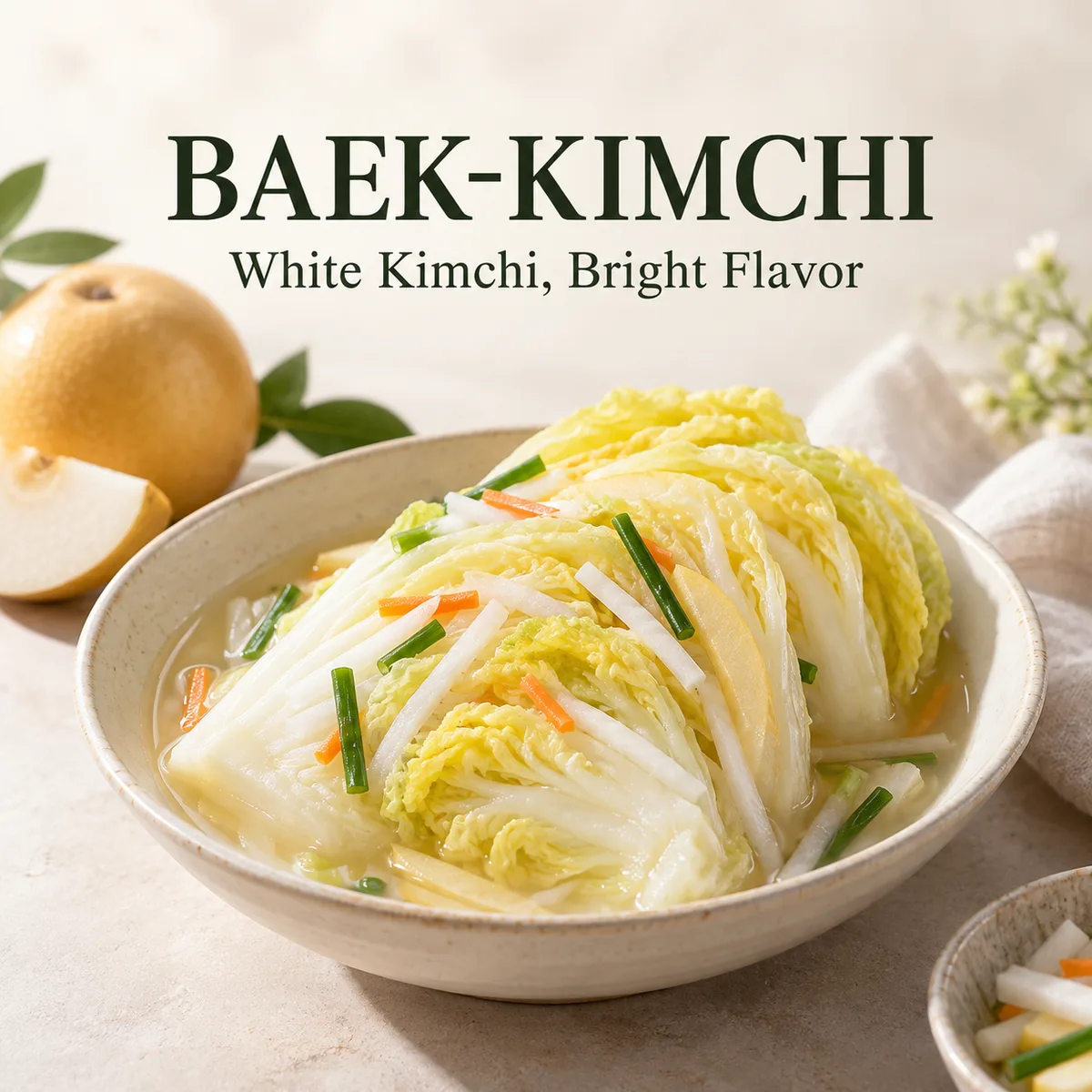
    Take away the red color and other parts of kimchi become easier to notice: the cabbage, radish, pear, aromatics and brine. White kimchi is not simply an incomplete version waiting for chili; it offers its own relationship between vegetables and liquid.

    At the table, the useful distinction is between the cabbage and its liquid: one gives a crisp bite, the other carries salt, fruit and acidity. The history explains why kimchi need not be red, but the modern dish deserves attention on its own terms.

    A cabbage filling and a brine worth tasting

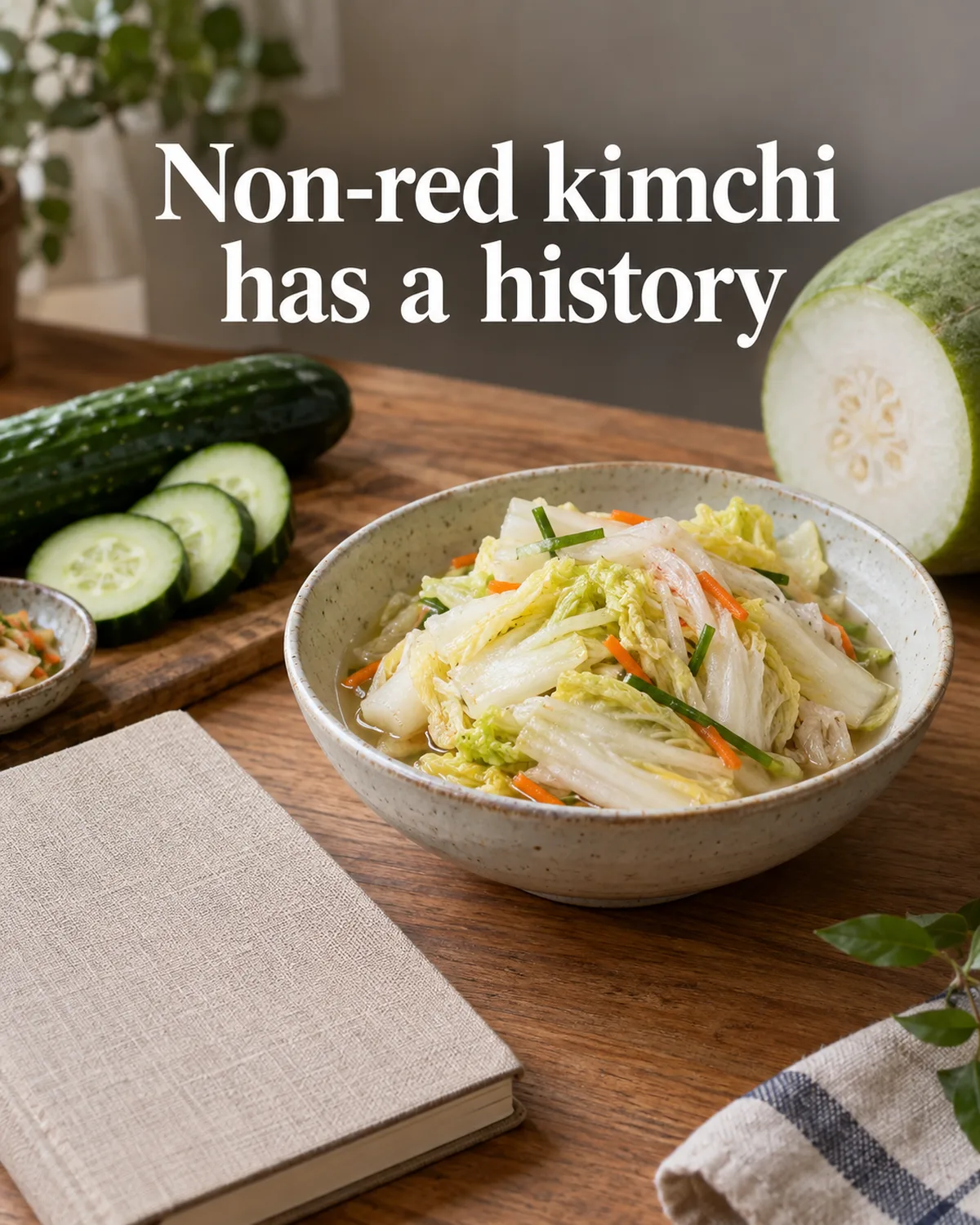
    Baek-kimchi literally means white kimchi. VISITKOREA describes salted cabbage filled with shredded radish, pear and scallions, then surrounded by broth or fruit juice. Without a red-chili-powder coating, the pale cabbage and its filling stay visible. This is a distinct preparation rather than a plate of red kimchi with its seasoning washed off.[3]

    Pale napa cabbage encloses radish, pear and scallion filling.
    Pale napa cabbage encloses radish, pear and scallion filling.

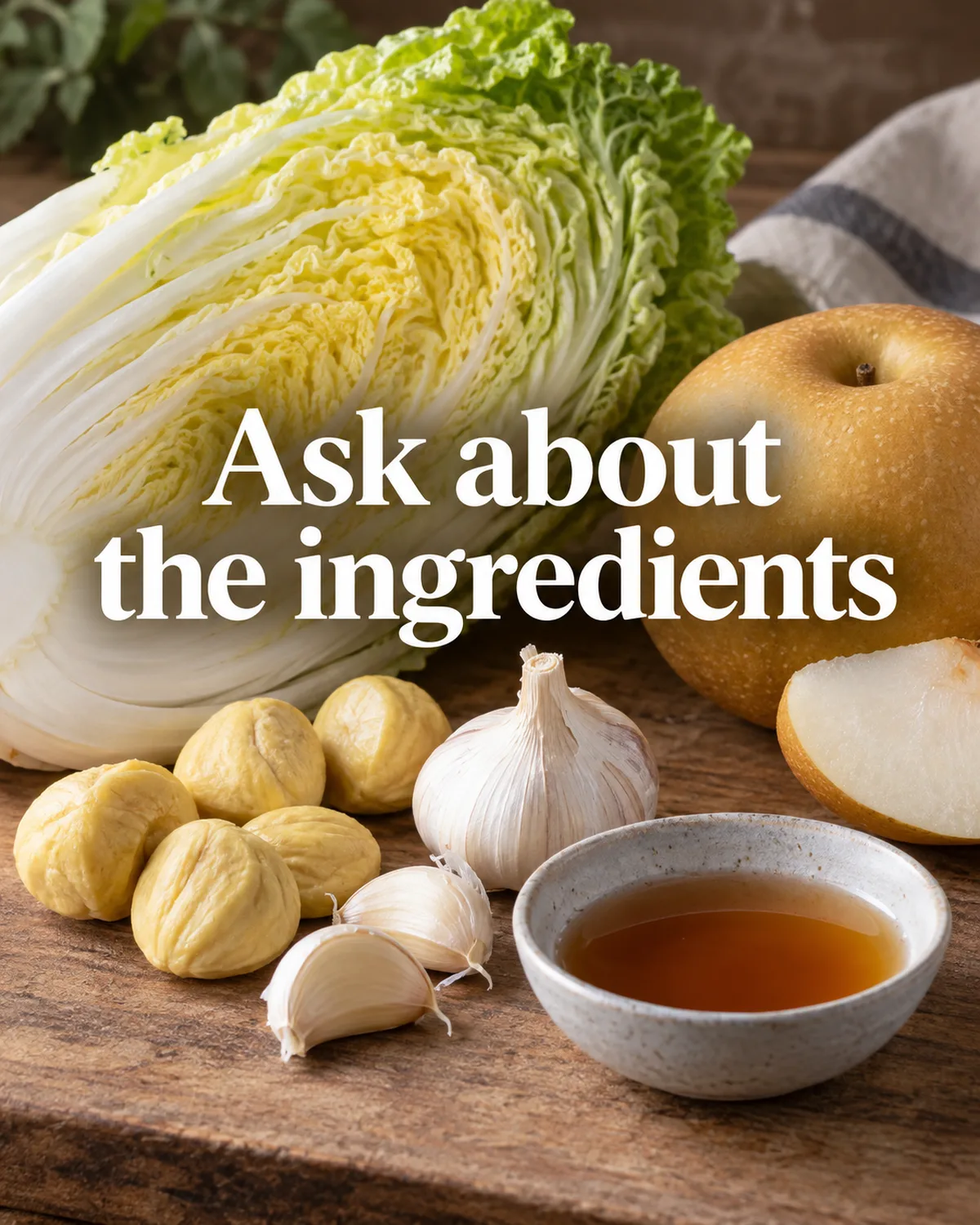
    The Academy of Korean Studies describes a Pyeongan-style preparation using pear, chestnut, garlic, scallion, ginger and wood-ear mushroom in the filling. Thin red-pepper threads can appear even though red chili powder is absent. Its described liquid also uses salted fish: a pale appearance does not establish that the recipe is vegetarian.[4]

    For a first taste, notice the cabbage stem and leaf separately. The stem usually gives the firmer bite; the leaf holds more filling and liquid. A piece that looks almost unseasoned can still carry garlic, ginger and a pronounced salty-sour brine.

    Taste the cabbage stem and leaf separately.
    Taste the cabbage stem and leaf separately.

    The Academy of Korean Studies defines kimchi broadly as vegetables such as radish, cabbage and cucumber that are salted, seasoned and fermented. Its historical overview traces Korean preserved-vegetable traditions through terms such as ji, jeo and later dimchae, long before the modern global image of red napa-cabbage kimchi.1

    What the older records actually establish

    The Academy of Korean Studies’ kimchi history discusses Eumsik Dimibang, a cookbook from around 1670, and preparations without chili, including winter melon and a pheasant-and-cucumber combination. These examples support a history of non-red preserved vegetables. They do not establish that a modern stuffed napa-cabbage baek-kimchi reproduces that cookbook’s recipe.[1]

    Chili’s arrival and its adoption in kimchi were separate developments. The same encyclopedia notes older non-chili preparations in early-eighteenth-century Sallim Gyeongje and chili-using preparations in Jeungbo Sallim Gyeongje in 1766. The record points to change over time rather than a single birthday for red kimchi.[1]

    That history also leaves room for both dishes today. White kimchi highlights a filling and brine; red kimchi develops another seasoning balance around chili powder. One is not automatically more authentic, and a modern restaurant’s white kimchi is not evidence of what a particular Joseon king ate.

    Older non-chili preparations do not certify a modern royal recipe.
    Older non-chili preparations do not certify a modern royal recipe.

    Pear, radish and the brine do the flavor work

    • Appearance: white kimchi shows pale cabbage and light brine; common red cabbage kimchi carries a red seasoning coating.
    • Heat: white kimchi usually has little chili heat; red kimchi is often chili-forward, though either recipe can vary.
    • Aroma: white kimchi makes cabbage, radish, fruit, garlic and ginger easier to notice. Red kimchi adds the prominence of chili seasoning.
    • Liquid: white kimchi often comes with brine served as part of the dish; red cabbage kimchi usually makes its seasoning paste more prominent.

    These comparisons describe tendencies. Korean households make many hybrids. A baek-kimchi can contain a few threads of red pepper without becoming a red-chili kimchi, while a red kimchi can be mild despite its color.

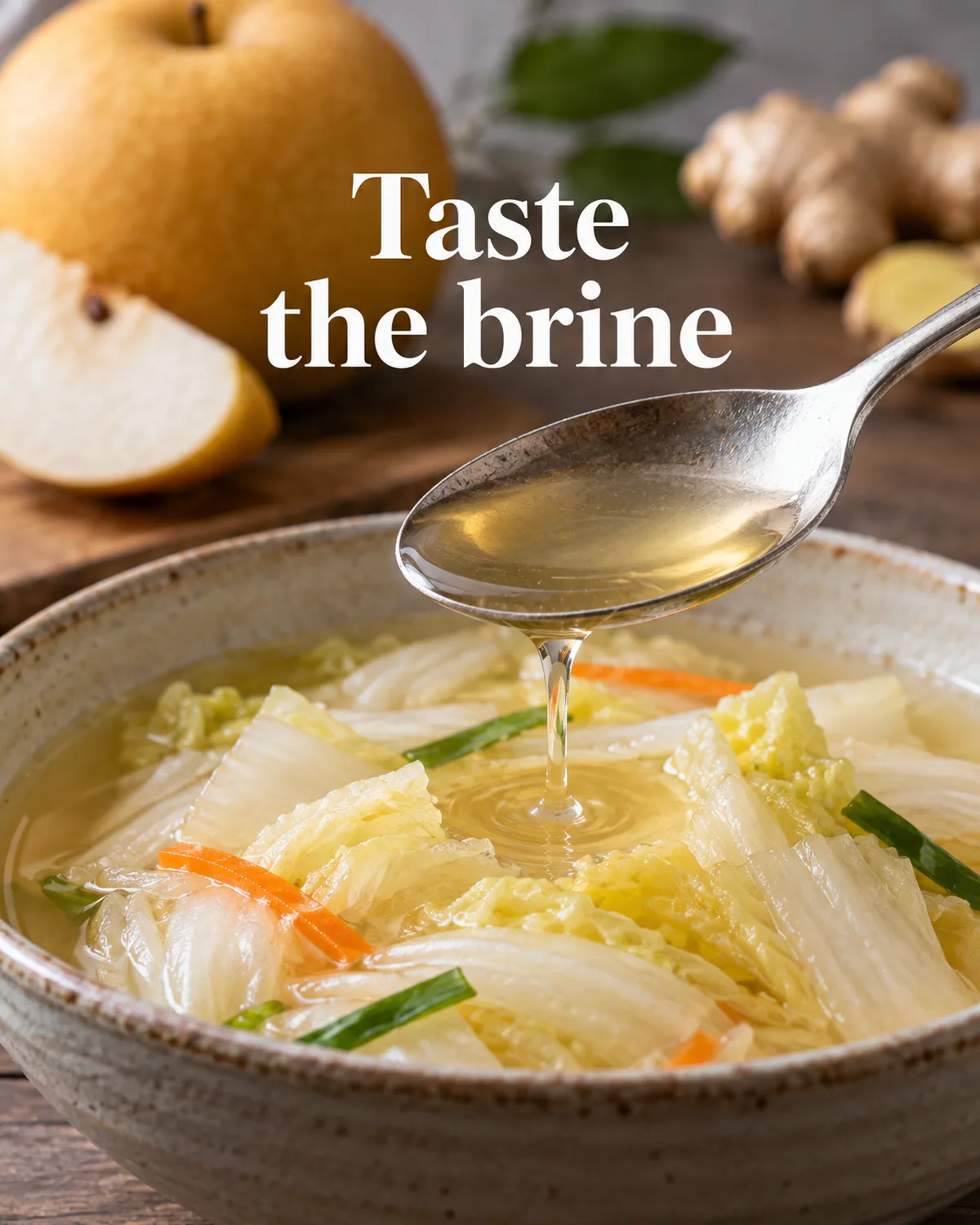
    Taste a little cabbage before taking the liquid. Then try a spoonful of the brine when it is served for drinking. Pear can lend sweetness and aroma, radish brings a firmer crunch, and garlic or ginger may stand out without chili powder. What seems mild in heat can still taste lively and strongly seasoned.

    The liquid carries salt, fruit aroma and acidity.
    The liquid carries salt, fruit aroma and acidity.

    The interesting question is how the elements balance. Is the fruit a faint aroma or a clear sweetness? Does the brine taste sharper than the cabbage? Is the stem crisp while the leaf is softer? These observations make it easier to choose the version you enjoy without using chili heat as the only measure of flavor.

    Many baek-kimchi versions are served with a generous amount of chilled liquid. That changes the eating experience. A bite delivers both fermented vegetable and broth-like acidity, making the dish feel lighter than a dense red seasoning paste.

    The liquid also lets the kimchi work as a contrast food. Rich grilled meat, fried food or fatty dishes can feel less heavy after a cold, acidic bite. That does not mean baek-kimchi “detoxes” the body or medically neutralizes fat. It is a sensory contrast: cool against hot, crisp against soft, sour against rich.

    White kimchi provides a sensory contrast beside richer food.
    White kimchi provides a sensory contrast beside richer food.

    White cabbage kimchi and dongchimi are not identical

    Dongchimi is a useful comparison because radish and a generous clear brine organize it differently from stuffed cabbage white kimchi. The Academy of Korean Studies compares baek-kimchi’s use with dongchimi, but similarity in table function does not make them the same preparation. Look at the main vegetable and the filling before grouping them by color.[4]

    Baek-kimchi and dongchimi organize their vegetables differently.
    Baek-kimchi and dongchimi organize their vegetables differently.

    When ordering, ask whether the white kimchi is served with its brine and how much is included with the meal. A supermarket package and a restaurant side dish may offer different proportions of cabbage and liquid. Neither the white color nor the name promises a particular sweetness, fermentation stage or portion size.

    Taste the vegetable and the liquid separately

    A first tasting is more informative when the goal is not “is it as good as red kimchi?” but “what is the recipe trying to balance?”

    1. Taste the cabbage first. Notice whether it remains crisp or has softened with fermentation.
    2. Try some brine separately. Check the balance of salt, sweetness, fruit aroma and acidity.
    3. Notice the aromatics. Garlic, ginger, scallion and pear can be easier to identify without heavy chili.
    4. Pair it with a rich bite. The contrast with grilled or braised meat makes the kimchi’s cool acidity clearer.
    5. Compare fermentation stages if possible. A younger batch can taste sweeter and greener; a more mature batch tends to become more acidic.

    No stage is universally “correct.” Restaurants and households serve baek-kimchi at different points depending on the texture and acidity they prefer.

    Recipes and fermentation stages create different tasting balances.
    Recipes and fermentation stages create different tasting balances.

    Check the actual house recipe for dietary needs. The encyclopedia’s Pyeongan-style example includes chestnut and salted-fish liquid; VISITKOREA describes a different filling and broth. Those are concrete reasons to ask about nuts, seafood seasoning and stock rather than guessing from the cabbage’s color.[4], [3]

    Vegetarian or vegan diners can ask whether the brine contains fish sauce, jeotgal or animal stock. For an allergy, name the ingredient you need to avoid and ask about both the filling and liquid. Removing chili powder does not answer those questions.

    Check the filling, seafood seasoning and stock for your dietary needs.
    Check the filling, seafood seasoning and stock for your dietary needs.

    A good final comparison is one small cabbage bite, one spoonful of its brine and a bite alongside rice or a richer main dish. The changes in temperature, crunch and acidity explain the dish’s appeal more clearly than treating it as a historical prop or a health supplement.

    Sources and reading

    1. Academy of Korean Studies — Kimchi
    2. Academy of Korean Studies — Chili pepper
    3. VISITKOREA — White Kimchi
    4. Academy of Korean Studies — Baek-kimchi
  • Yeonsangun: The Real Tyrant King Behind So Many Korean Historical Dramas

    Yeonsangun: The Real Tyrant King Behind So Many Korean Historical Dramas

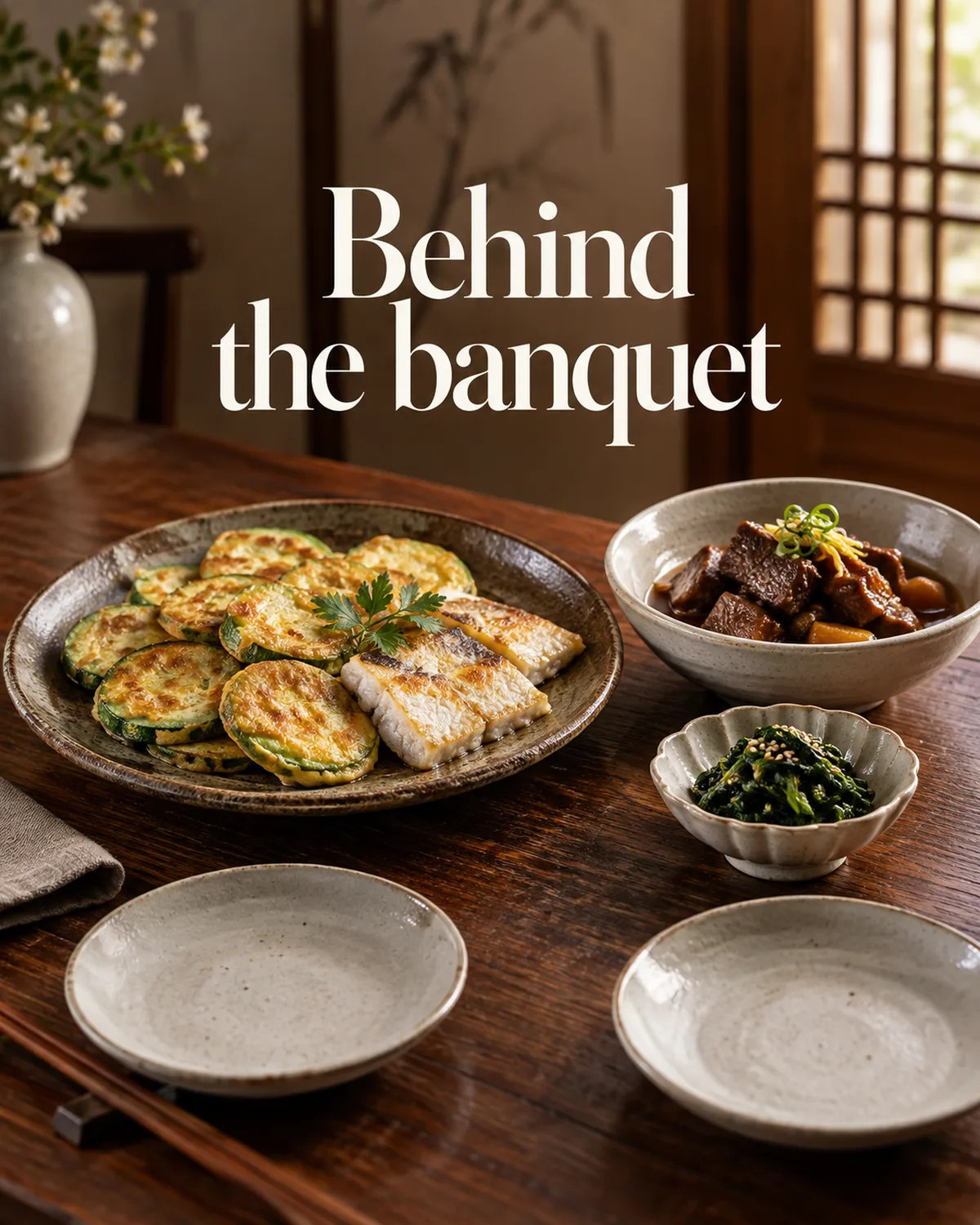
    A banquet begins long before a platter reaches the table. Ingredients must arrive, cooks must prepare them, dishes need somewhere to wait, and servers must know who receives what. That work is easy to overlook when a historical drama concentrates on the king taking a bite.
    For Yeonsangun, Joseon’s tenth ruler, the surviving chronicle offers a more specific food story than an imagined nightly feast. Its dated entries show supplies, temporary structures, performers and gifts being organized through royal authority.[6]

    A feast depends on preparation and service.
    A feast depends on preparation and service.

    Look behind the modern celebration table

    At a Korean celebratory meal today, try noticing service as well as abundance. A plate of jeon asks for timely cooking; a braised dish can be portioned differently; a small sweet arrives with another set of utensils. These contemporary examples help you see the work without claiming to reproduce Yeonsangun’s menu.

    Ask which dishes are shared and which are individually served. A centerpiece may be intended for several people, while a rice bowl or cup belongs to one guest. Understanding that distinction makes a large arrangement easier to eat comfortably.

    If dishes arrive in stages, notice what changes: temperature, serving vessels, portion size or the need for a fresh plate. Those are features of the meal you are actually receiving, not evidence that a sixteenth-century banquet followed the same sequence.
    A restaurant’s royal-style presentation can be enjoyable on its own terms. Ask what period or occasion informs it, then judge the food by its cooking. A familiar hot pot or decorative platter should not automatically become proof of one king’s exact supper.

    Shared platters and individual servings do different work.
    Shared platters and individual servings do different work.

    A birthday banquet activated a supply network

    On day 25 of the sixth lunar month in 1504, the chronicle records a birthday banquet for the queen dowager at Changgyeong Palace. Relatives and officials were fed, and gifts were distributed.[1]

    It describes temporary covered structures erected with work hurried day and night, then dismantled after the banquet. Supplies were pressed in from the provinces and arrived within about ten days. Large copper-alloy ice trays were cast for the summer heat.[1]

    The same entry describes people rushing provisions because they feared the king’s severity. Its account makes the burden of preparation visible alongside the celebration.[1]

    The dishes are only one part of that event. Transport, shelter, metalwork and cooling had to converge on a deadline. The record gives unusually concrete preparation details while leaving the complete menu unstated.

    Supplies, shelter and cooling were part of the recorded event.
    Supplies, shelter and cooling were part of the recorded event.

    Music and feeding belonged to the same event

    A 1505 order, dated day 27 of the first lunar month, called for one thousand Gwanghuiak performers to be assembled for a forthcoming banquet. If Unpyeongak had not reached one thousand, five hundred were to be supplied in time.[3]

    Those figures are targets in an order. They should not be converted into a count of people simultaneously dancing around the king’s dinner table, or a total for every event in his reign.

    A separate entry for day 5 of the ninth lunar month in 1505 describes a banquet at Injeongjeon involving government offices and royal relatives. It also records an elders’ banquet and cloth granted to 260 Unpyeongak and Gwanghuiak performers.[4]

    Read together, the entries show how hospitality, rank and performance met in court events. The cloth is a recorded distribution, not an ingredient cost or a modern restaurant wage. Keeping the categories distinct makes the scale easier to understand.

    Food and performance met in court celebrations.
    Food and performance met in court celebrations.

    The venue was part of the expenditure

    On day 14 of the fourth lunar month in 1505, Yeonsangun ordered a coming Dano banquet held at the old Myeongnyundang. The instructions included removing east and west walls, repainting, applying paper dragons to columns and altering adjoining structures.[2]

    This is more precise than describing an academy as a generic palace playground. The entry names a venue and specific changes for an approaching event. The rebuilding itself consumed effort before any food could be served.

    A banquet therefore occupied space as well as a kitchen. Seating, shelter and performance areas were part of its material requirements. The visual impression of abundance depended on work happening outside the finished table.

    For a visitor at a historic site, distinguish the surviving building, later restoration and the dated event being explained. An atmospheric room can help you imagine scale; it cannot supply the missing menu or verify a television set.

    The venue required work before the meal.
    The venue required work before the meal.

    Food also traveled outward as a royal gift

    An entry for day 24 of the fifth lunar month in 1506 records Yeonsangun holding a banquet for the queen dowager at Gyeongbok Palace. He ordered food sent to named officials and court personnel, with drink and music bestowed as well.[5]

    Here the useful action is distribution. The celebration extended beyond the king’s own place setting, reaching recipients identified in the record. Food formed part of a relationship between the throne and the people it recognized.

    The records also describe food sent to recipients.
    The records also describe food sent to recipients.

    That changes how the banquet can be pictured. A single overcrowded table is a poor substitute for several documented actions: hosting, feeding other groups, granting cloth and sending food. They belong to related events, but they are not one interchangeable scene.

    At a modern gathering, the distinction remains useful in a much smaller way. Notice what is served at the table and what is packed to take away. These are different ways food reaches guests; neither needs a royal origin claim to be worth observing.

    Read the chronicle with its history in view

    The Academy of Korean Studies says compilation of Yeonsangun Ilgi began in November 1506, after the ruler’s death and deposition, and was completed in September 1509. Despite its “ilgi” title, its content and format belong to the wider annals tradition.[6]

    The entry discusses difficulties preserving records under Yeonsangun and the political conditions surrounding compilation. That context calls for careful reading, not dismissal of every dated order or uncritical repetition of every dramatic summary.[6]

    Keep the event and its interpretation distinct.
    Keep the event and its interpretation distinct.

    Keep an order, its reported implementation and a later interpretation distinct. The lunar dates used here identify separate entries; they have not been silently treated as equivalent Gregorian month-and-day dates.

    The strongest food history is in the work those records reveal. Enjoy the cooking at a present-day feast, then look beyond the platter: who supplied it, who served it, who received it and what occasion brought them together? Those questions make a banquet more interesting than a list of imagined royal favorites.

    Notice the people and work a meal requires.
    Notice the people and work a meal requires.

    Other scales of royal food history

    Sources and reading

    1. National Institute of Korean History — Yeonsangun 10, lunar sixth month, day 25 (1504)
    2. National Institute of Korean History — Yeonsangun 11, lunar fourth month, day 14 (1505)
    3. National Institute of Korean History — Yeonsangun 11, lunar first month, day 27 (1505)
    4. National Institute of Korean History — Yeonsangun 11, lunar ninth month, day 5 (1505)
    5. National Institute of Korean History — Yeonsangun 12, lunar fifth month, day 24 (1506)
    6. 한국민족문화대백과사전 — 연산군일기 (Yeonsangun Ilgi)
  • Makgeolli: Fermentation, Regional Styles and How to Choose a Bottle

    Makgeolli: Fermentation, Regional Styles and How to Choose a Bottle

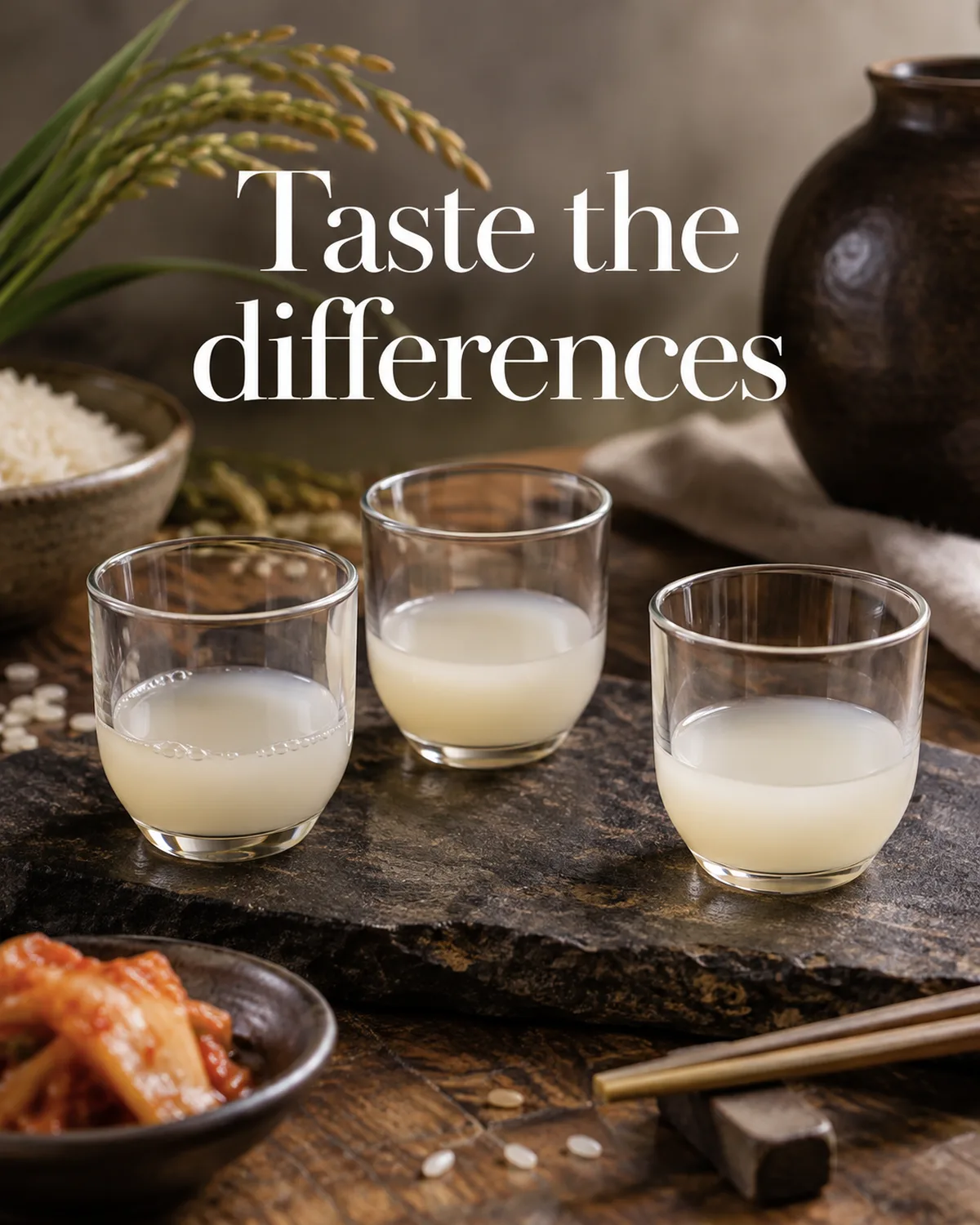
    Choose makgeolli by the bottle you will drink, not just by its milky appearance. Sweetness, tartness, body, bubbles and alcohol strength are separate qualities. Two cloudy pours can offer very different experiences alongside the same food.

    The revival has a history: Korea.net reported international attention in 2022, and KTO’s 2025 guide describes regional breweries and new styles. Those dated accounts explain renewed interest; “hottest” is not a verified ranking of the current market.[2], [3]

    Makgeolli varies by product and producer.
    Makgeolli varies by product and producer.

    Cloudiness belongs to the brewing process

    The Cultural Heritage Administration’s 2021 designation notice describes a conventional process: cooked rice, water and nuruk ferment together, then the mash passes through a sieve. It identifies nuruk as a fermentation starter containing enzymes and natural yeast.[1]

    Rough filtration helps explain the cloudy character and the sediment you may see in a bottle. That visible separation is a useful reason to read the handling instructions. It does not by itself tell you how sweet, strong or fresh the product is.

    KTO’s regional guide describes rice or wheat in the drink’s grain base and explains that ingredients and brewing choices can change flavor. The name identifies a category with variation, rather than one national recipe.[2]

    When ordering, ask what the producer highlights: the grain, the starter, a regional tradition or a particular flavor. Choose the information that helps you compare the drink, instead of treating an old-looking package as proof of one unchanged ancient method.

    The conventional method connects cooked grain and a fermentation starter.
    The conventional method connects cooked grain and a fermentation starter.

    Read the label before opening

    Find the alcohol strength, ingredients, storage instruction and date information. Ask how sweet and sparkling the drink is expected to be. A category name cannot answer those questions for a particular bottle.

    KTO explains that draft makgeolli retains brewing microorganisms, which can contribute to its flavor but complicate transport and long storage. Follow the particular producer’s refrigeration and handling guidance.[2]

    Keep a bottle that requires refrigeration cold, and follow its instructions for opening and redistributing sediment. Avoid vigorous shaking when the drink is carbonated. Open carefully over a surface that can catch foam; ask the seller if the package’s instructions are unclear.

    Pasteurization is useful information about processing, not a taste verdict. Compare the actual product rather than deciding that every pasteurized bottle is inferior or every draft bottle must taste the same.

    Read the listed strength instead of assuming a fixed percentage. KTO’s guide includes both conventional styles and stronger products. The amount poured matters as well as the number on the label.[2]

    Check the actual strength and storage instructions.
    Check the actual strength and storage instructions.

    Compare sweetness, acidity and texture separately

    For a small first pour, notice the aroma before taking a sip. Then ask three different questions: how sweet is it, how tart is it, and how much body does it have? A creamy texture can coexist with acidity, while a light texture does not guarantee a low alcohol strength.

    Notice the bubbles separately too. A sparkling sensation can make a drink feel different from a nearly still pour even when both are cloudy. Describe that sensation without assuming one is automatically fresher or more traditional.

    If you are comparing two products, use similar small portions and follow each bottle’s serving directions. Taste them before introducing a strongly flavored food, then return to a sip after a bite. That keeps the drink and the pairing from becoming one undifferentiated judgment.

    A useful tasting note is specific: “more tart,” “thicker,” “less sweet” or “more sparkling.” It gives you something to ask for next time. A label such as premium tells you much less about whether the flavor fits your preference.

    Compare sweetness, acidity, body and bubbles separately.
    Compare sweetness, acidity, body and bubbles separately.

    Making and sharing is the recognized heritage

    On June 15, 2021, the Cultural Heritage Administration designated Makgeolli Making and Sharing as national intangible cultural heritage. Its notice emphasizes historical documentation, regional character and continued practice by breweries, research groups and families; it does not designate one exclusive holder.[1]

    The notice also describes a twentieth-century shift toward commercial brewing and notes that home production for personal consumption was legalized in 1995. This is a historical account of changing practice, not instructions for current licensing or commercial production.[1]

    The shared practice is a better way to understand the heritage than hunting for a single original flavor. A region, a family and a brewery can have different knowledge and methods. Ask whose version you are tasting and how the maker explains it.

    A distributed practice carries regional histories.
    A distributed practice carries regional histories.

    Korea.net’s 2022 report on international coverage presents the revival as a renewed interest in traditional brewing. That particular report belongs to its date. It does not establish today’s sales growth or prove that every new bottle revives a lost household recipe.[3]

    Jeon is a familiar pairing, not a requirement

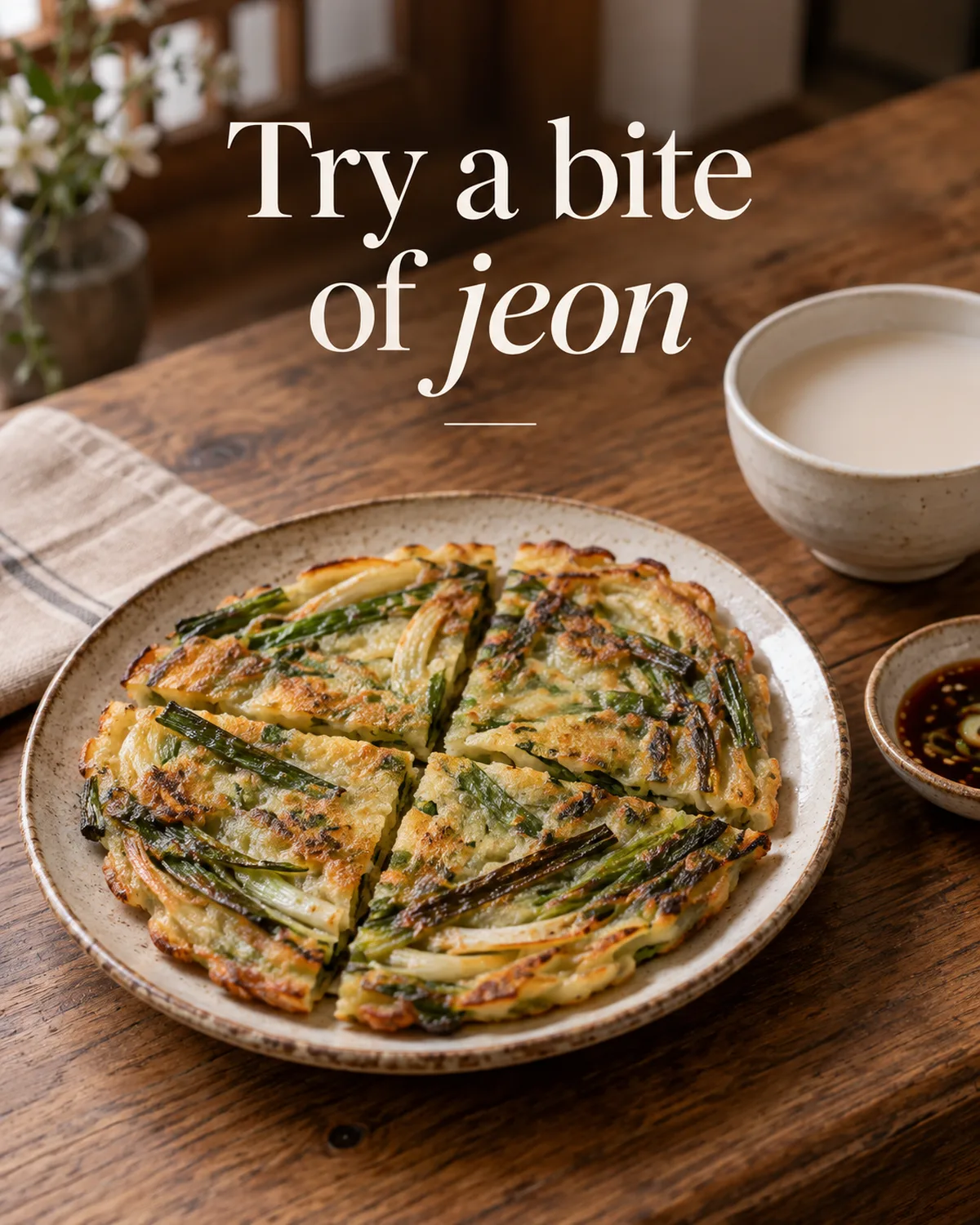
    Korea.net’s 2022 feature describes the familiar pairing of jeon and makgeolli, including its rainy-day association. The custom provides a starting point for a meal; it is not a rule that a rainy afternoon calls for alcohol.[3]

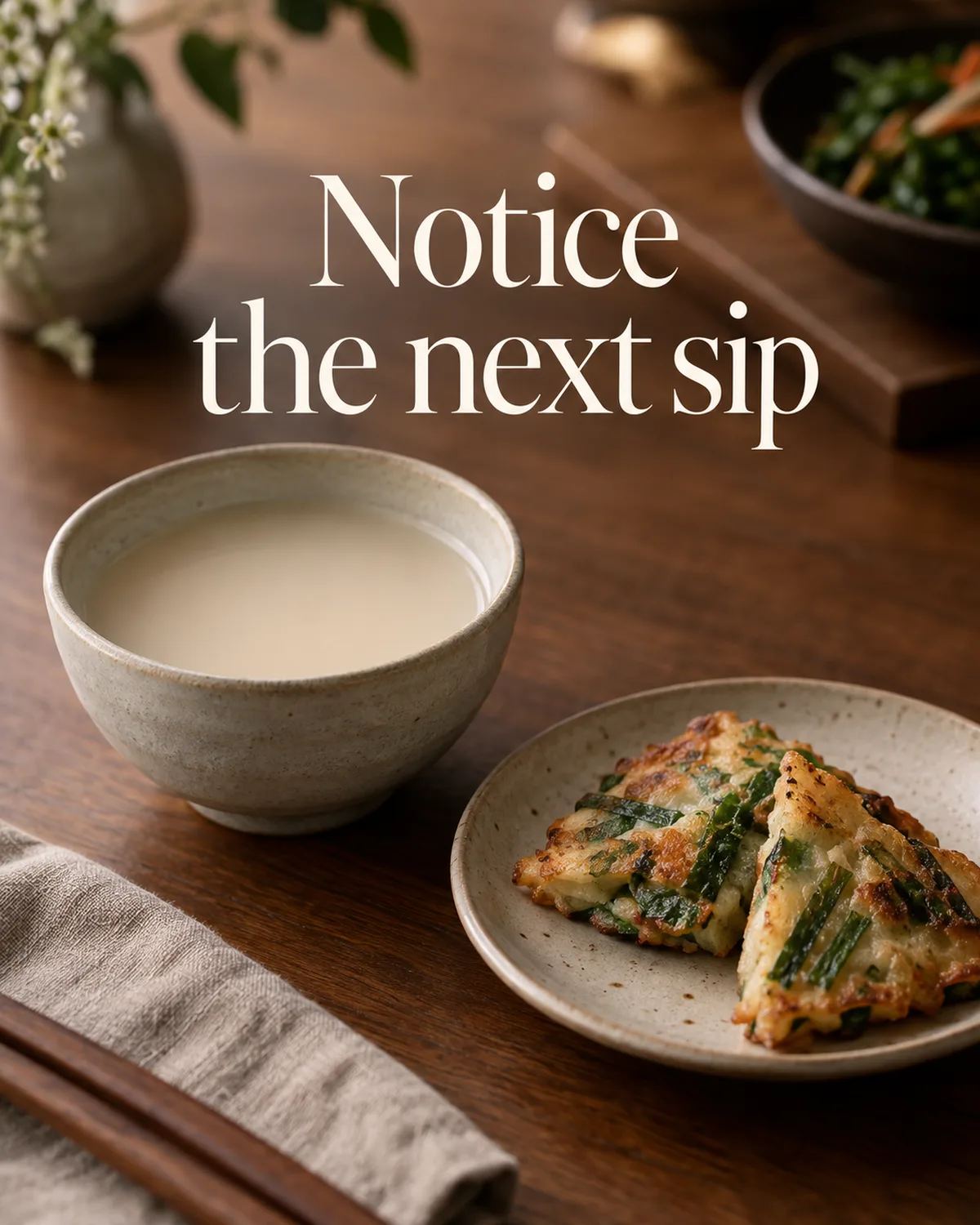
    If you choose a pancake pairing, try a bite of the crisp edge and then a little of the soft center. Compare the next sip with each texture. Keep dipping sauce modest at first so its salt and acidity do not dominate everything you taste.

    Compare the crisp edge and softer center with the next sip.
    Compare the crisp edge and softer center with the next sip.

    A shared pancake can make more sense than several large dishes when the aim is a small tasting. Ask about the pancake’s ingredients and portion as carefully as the drink’s. Seafood, wheat and egg can matter independently of the bottle you selected.

    You can also ask the producer or restaurant which foods they serve with that particular style. A suggested pairing is more informative when it explains the drink’s sweetness, acidity or texture, rather than claiming one food fits every makgeolli.

    Plan storage as carefully as the tasting

    For a purchase to take away, check how the bottle must travel and how soon it should be consumed. If you cannot maintain its required storage conditions, choose a product suitable for your plans or leave the purchase for another visit. Brewery programs and opening hours need a current check before travel.

    Follow the producer’s instructions for the specific bottle.
    Follow the producer’s instructions for the specific bottle.

    Makgeolli remains an alcoholic drink. WHO describes health risks from alcohol consumption; a fermentation story does not turn it into a health supplement. Its culinary interest is in grain, brewing, flavor and shared food, and that history can be explored without drinking.[4]

    For a first tasting, start with the actual label and a small pour. Notice sweetness, tartness, body and bubbles, then compare them with the food. Those details make a regional drink easier to understand than a national popularity slogan.

    The particular bottle matters more than a popularity slogan.
    The particular bottle matters more than a popularity slogan.

    Sources and reading

    1. Cultural Heritage Administration — Makgeolli Making and Sharing designation, June 15, 2021
    2. Korea Tourism Organization — Regional Makgeolli guide (2025)
    3. Korea.net — International coverage of the revival (2022)
    4. World Health Organization — Alcohol
  • Korean Royal Court Cuisine: What Joseon Kings Ate — and the Real ‘Dae Jang Geum’

    Korean Royal Court Cuisine: What Joseon Kings Ate — and the Real ‘Dae Jang Geum’

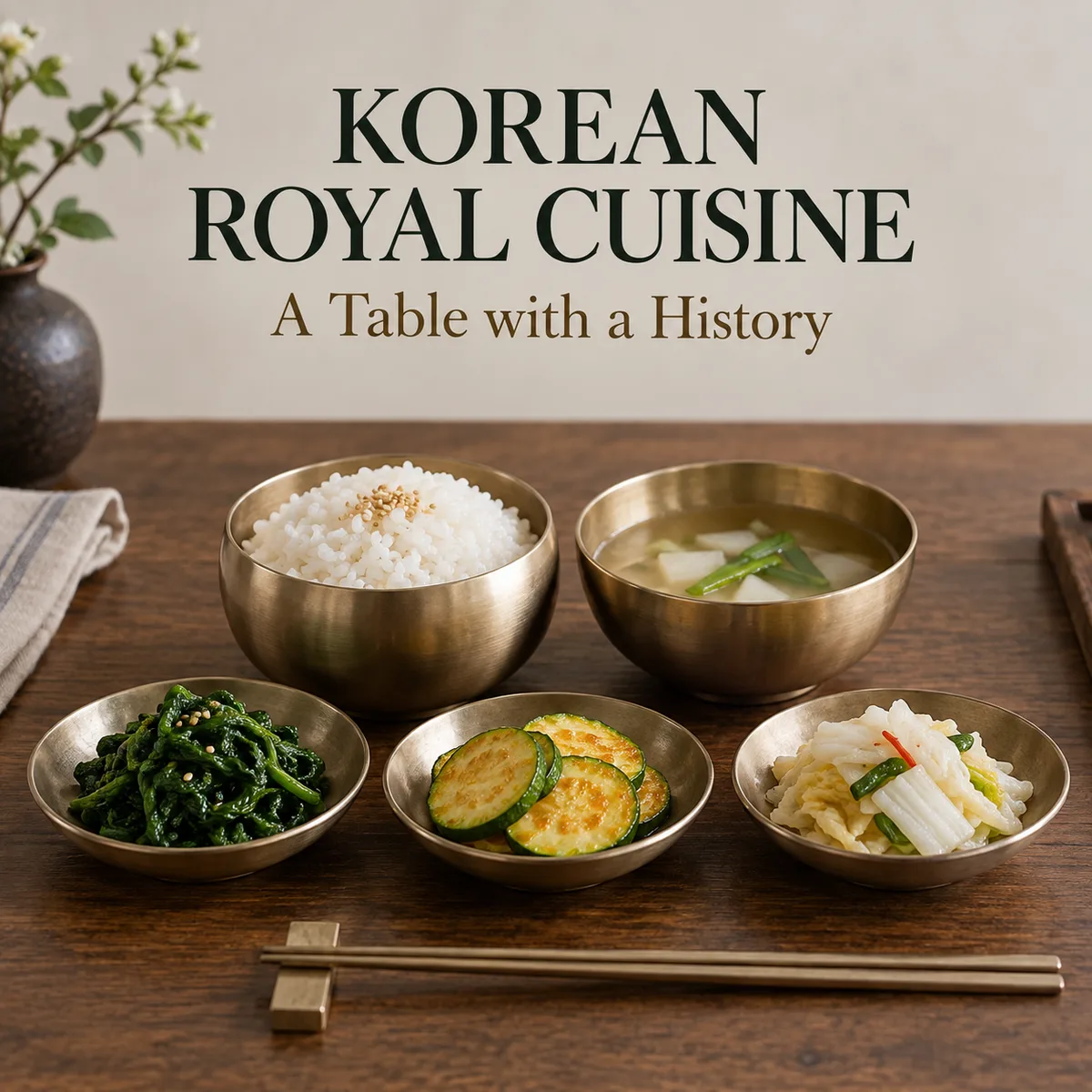
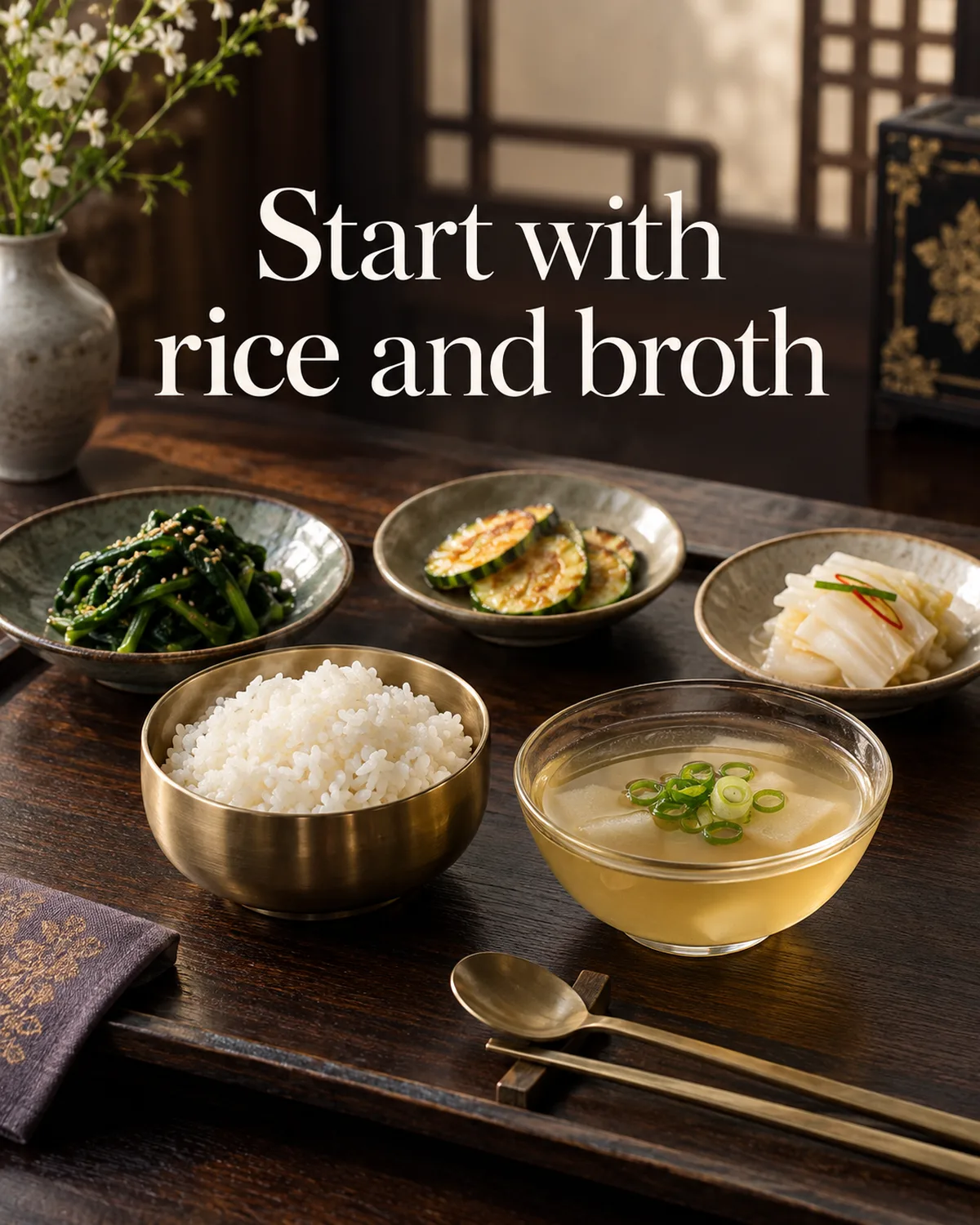
    Start a royal-style meal by finding the rice, soup and dishes you will actually eat. The pleasure is in the contrasts: a warm broth beside a vegetable preparation, a delicate wrapper beside a savory filling, a small portion of something richly seasoned.

    A palace banquet, a daily royal table and a modern tasting menu each organize food differently. Knowing which one you are being shown makes the meal easier to enjoy—and gives the story of Joseon court cuisine more substance than a count of polished bowls.

    Taste the meal through its contrasts.
    Taste the meal through its contrasts.

    Read the meal before counting the dishes

    Sura names the king’s meal; surasang is the royal meal table. The Korea Tourism Organization’s guide presents royal cuisine through seasonal ingredients, trained cooks and living transmission. Its examples include the wrapped fillings of gujeolpan, the heated broth of sinseollo and the soft mung-bean jelly of tangpyeongchae.[2]

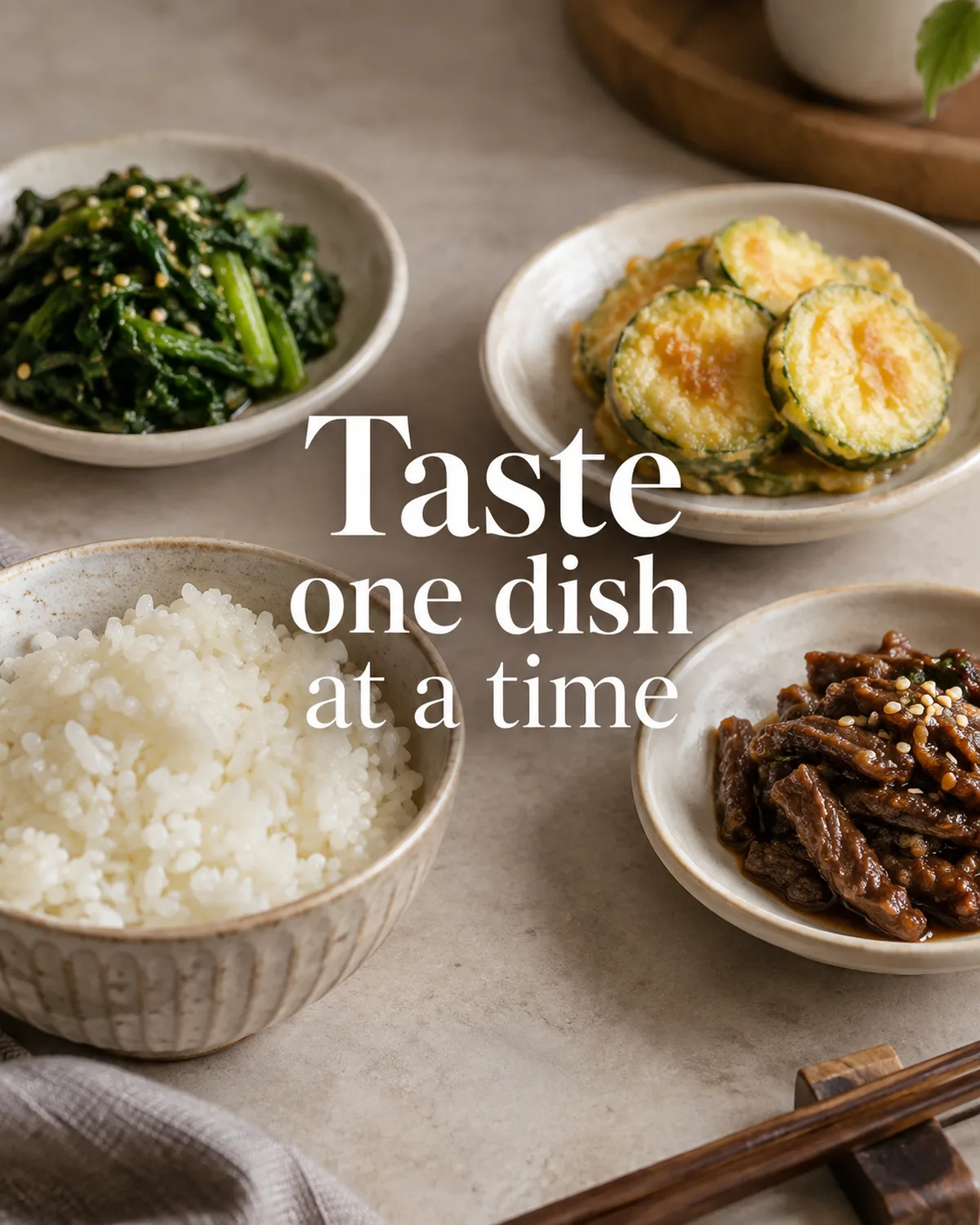
    Begin with a spoonful of soup and a bite of rice. Then try one small side dish on its own before combining it with the staple. This lets you notice whether the dish is lightly seasoned, braised, grilled or pan-fried, instead of turning the whole spread into one mixed flavor.

    Ask which dishes are individual servings and which are shared. A small vessel can contain a strong seasoning rather than a portion to finish at once. Let the host explain sauces and service order, especially when a hot pot or a course of wrapped fillings arrives.

    Compare each preparation before combining it with rice.
    Compare each preparation before combining it with rice.

    A wrapper and a hot pot show two different techniques

    Gujeolpan places eight fillings around thin wheat crepes in the center of a divided tray. KTO describes eating the fillings wrapped in those crepes. The tray separates the components until you assemble a bite.[2]

    For a first wrap, use modest amounts of just a few fillings so the crepe can close comfortably. Taste that combination before adding sauce or building a fuller wrap. The neat arrangement becomes a practical way to compare textures, rather than decoration you are afraid to disturb.

    Gujeolpan separates fillings until you assemble a bite.
    Gujeolpan separates fillings until you assemble a bite.

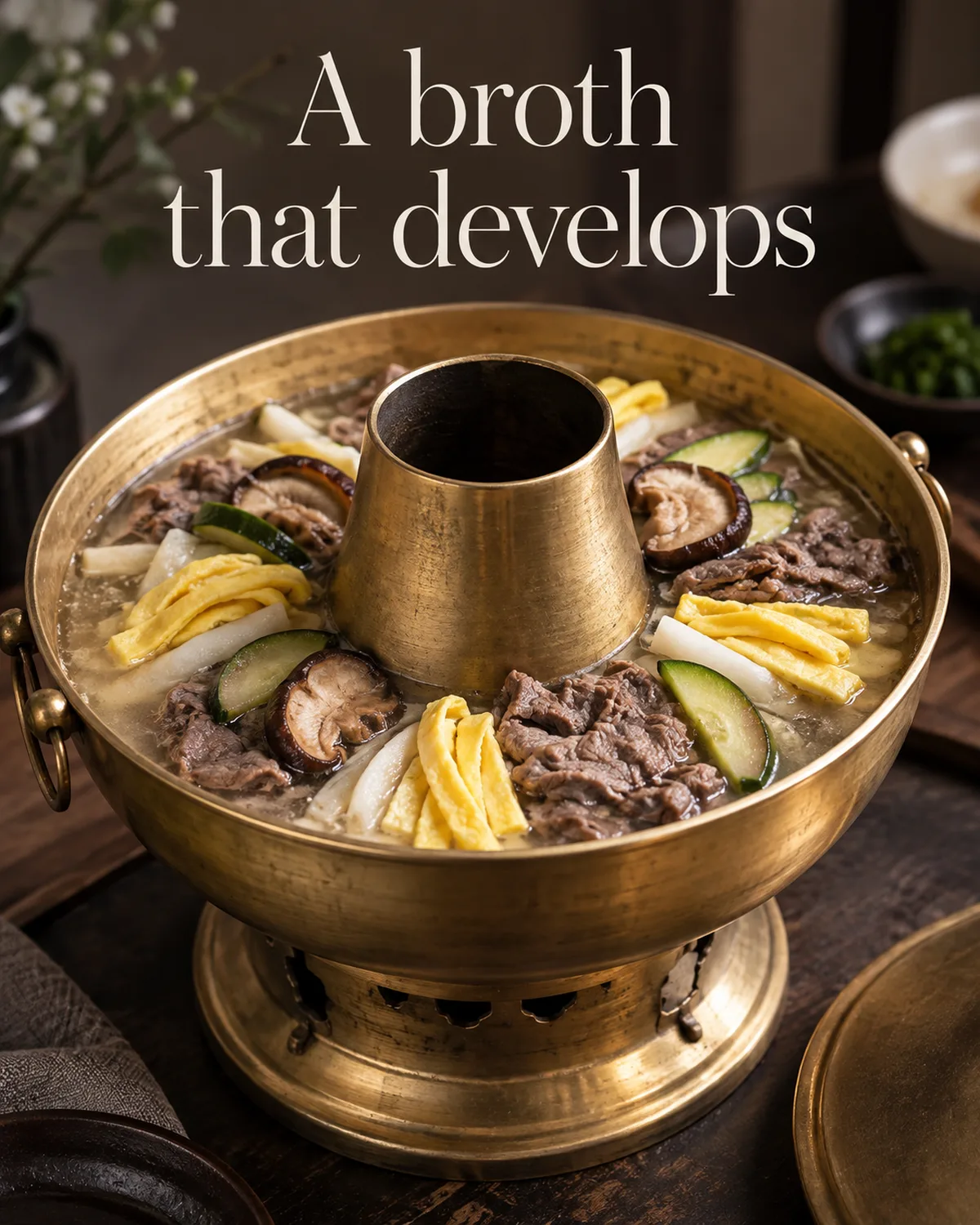
    Sinseollo uses a distinctive pot with heat through its central opening. KTO’s dish guide describes meat, fish, vegetables and other possible ingredients cooking in broth around it; the broth develops as those ingredients contribute their flavors.[3]

    Treat the hot pot as an evolving course. Ask the server how the particular meal is served and which components are ready to eat. Taste a little broth, then one ingredient, and compare the next spoonful rather than assuming every sinseollo contains the same selection.

    Sinseollo is a heated broth course.
    Sinseollo is a heated broth course.

    A modern menu can combine these foods in many ways. Check the actual fillings, stock and dipping sauce when ingredients matter. An elegant vegetable arrangement can still include beef, egg or seafood, and a wheat crepe needs to be considered separately from the filling.

    The transmitted royal table is not every king’s daily menu

    The National Palace Museum’s 2024–2025 exhibition explains that the familiar twelve-cheop model comes from testimony of court women serving the last Gojong and Sunjong courts. It notes that earlier royal meals often had seven side dishes. Dish counts and daily service varied.[1]

    This makes the date and occasion useful parts of the food story. A later transmitted table can preserve a serious culinary tradition without being the exact meal of every Joseon ruler. Ask which period or teaching tradition a reconstruction follows.

    The museum describes an average of five eating occasions, with two main meals and lighter services. It also stresses variation with taste, health and circumstances. Five occasions should not be pictured as five identical elaborate feasts.[1]

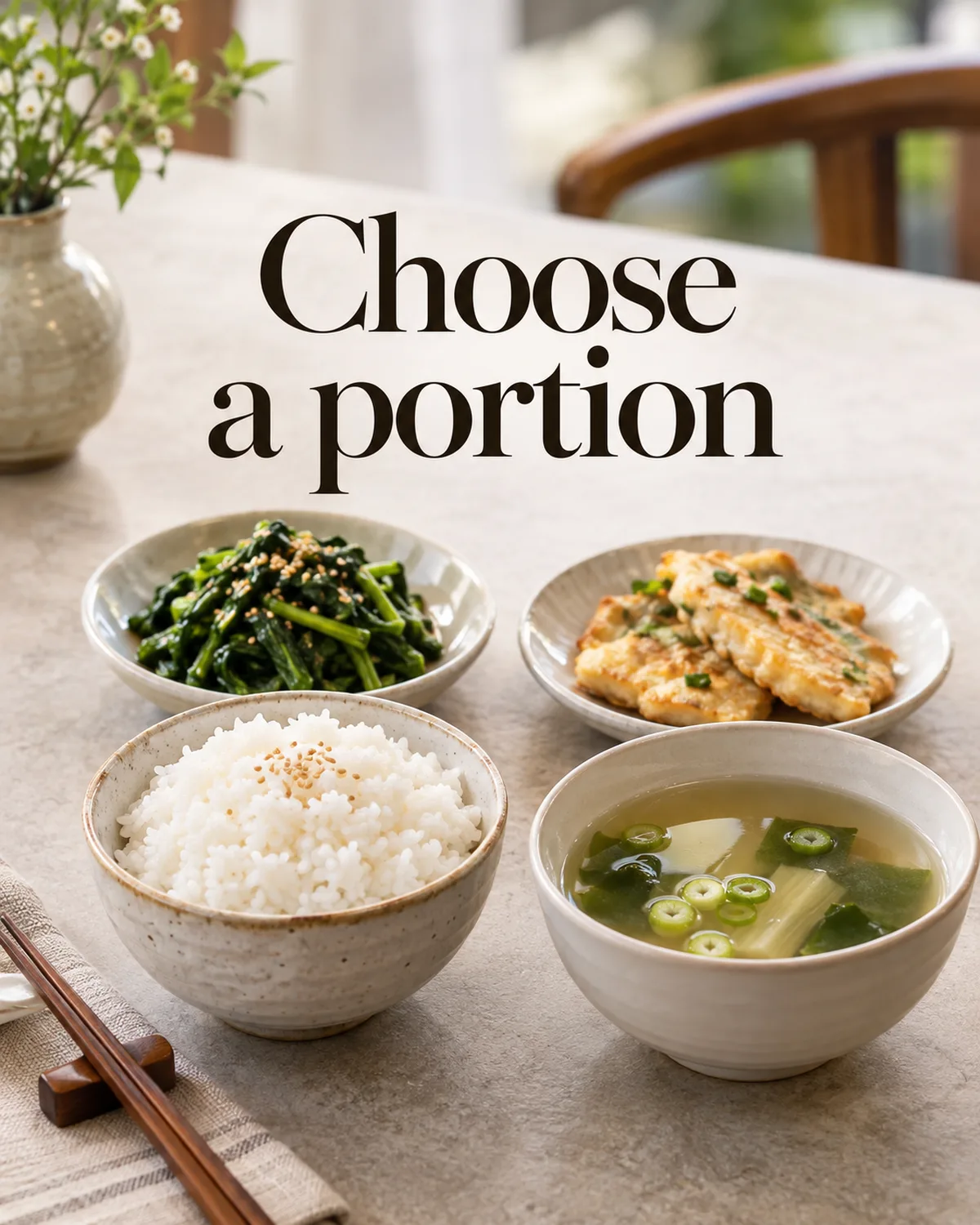
    At a restaurant, decide what amount of food suits your visit. A full course and a smaller tasting of one court-associated dish provide different experiences. Ask about course size and sharing before ordering; a photograph of many bowls is a poor guide to how much one person will eat.

    A full course and a smaller tasting offer different experiences.
    A full course and a smaller tasting offer different experiences.

    A banquet record captures a particular journey

    The museum identifies Wonhaeng Eulmyo Jeongni Uigwe as a protocol published in 1796 recording the 1795 royal journey. Korea.net’s 2026 museum feature describes its banquet and daily-meal records for Jeongjo, his mother and the entourage during the eight-day visit.[1], [4]

    That record is valuable because it places food inside an occasion: a journey, a birthday celebration and service for many participants. It is a stronger basis for discussing that event than for declaring one unchanged daily menu across five centuries.

    Ceremonial presentation also had its own purpose. The palace museum distinguishes tall food displays from foods served for eating and explains that banquet food was shared with participants beyond the royal family. Display and consumption belonged to a larger system of hospitality.[1]

    Modern presentation does not recreate every historical banquet.
    Modern presentation does not recreate every historical banquet.

    The palace kitchen relied on many kinds of work

    The museum describes Saongwon’s specialist male cooks, including teams preparing rice, grilled foods, tofu and rice cakes. Court women also handled plating and some cooking; medical staff and eunuchs had roles in royal food service.[1]

    KTO likewise identifies both court ladies and professional male cooks in the tradition, and records the designation of Royal Culinary Art of the Joseon Dynasty as national intangible heritage in 1971. The skill survives through practitioners and teaching.[2]

    Look for that labor in the meal: evenly cut fillings, a thin crepe, carefully cooked components and a broth served at the right moment. Those details tell you more about culinary refinement than assuming expensive ingredients alone make a dish royal.

    Fine cuts and careful cooking are part of the pleasure.
    Fine cuts and careful cooking are part of the pleasure.

    The real Jang-geum appears in medical records

    The Annals identify Jang-geum as a medical woman in an entry dated to 1515, lunar third month, day 22, discussing criticism after royal childbirth. In 1544, lunar second month, day 9, a reward order names Dae Jang-geum among medical personnel and grants her rice and beans.[5], [6]

    A further entry from 1544, lunar tenth month, day 25, records Jang-geum reporting the king’s sleep and bodily symptoms. These are specific surviving references to royal medical service.[7]

    Those entries support a real woman named Jang-geum at court. They do not document the television storyline in which she learns palace cooking through competitions before becoming a physician. Enjoy the drama’s food scenes while keeping its invented biography separate from the records.

    A court’s concern with a ruler’s health belongs to history. It does not show that a modern royal-style dish treats disease. For this meal, concentrate on flavor, preparation and the ingredients actually served.

    Choose a royal-style meal you can understand and enjoy

    Ask whether the menu follows a transmitted surasang model, draws on a particular banquet record or offers a modern interpretation. Then ask about its signature dishes: a broth course, wrapped fillings, a jelly salad or another preparation. A clear explanation helps you choose what interests you.

    Taste the work in each course and give unfamiliar dishes a small first bite. Rice, broth, seasoning and texture make the spread intelligible. The history becomes richer when you can connect it to the food in front of you, while leaving each king’s table in its own time.

    Connect the history to the food in front of you.
    Connect the history to the food in front of you.

    Sources and reading

    1. National Palace Museum of Korea — Royal Cuisine exhibition record (2024–2025)
    2. Korea Tourism Organization — Royal Cuisine
    3. Korea Tourism Organization — Sinseollo
    4. Korea.net — Royal journey meals and the 1795 protocol (2026)
    5. Joseon Annals — Jang-geum, 1515 lunar third month, day 22
    6. Joseon Annals — Dae Jang-geum reward, 1544 lunar second month, day 9
    7. Joseon Annals — Jang-geum and the king’s condition, 1544 lunar tenth month, day 25